



Millennials and the Comfort of the Known Scare
For many Millennials, born between 1981 and 1996, the perfect Halloween night at the movies is a trip back in time. This is the generation that grew up on VHS tapes and the burgeoning slasher franchises of the 80s and 90s. Their tastes often lean toward
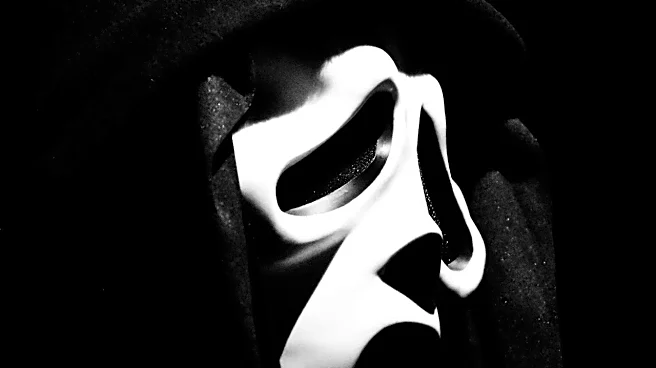
nostalgia-driven revivals and event screenings of horror classics. Think special theatrical runs of 'Scream', 'The Texas Chain Saw Massacre', or 'Hocus Pocus'. There's a certain comfort in these films; the scares are familiar, the rules of the genre are well-established, and the experience is communal in a classic sense. It's less about discovering a new kind of fear and more about celebrating a shared cultural touchstone. Their horror often grapples with themes of systemic collapse or psychological trauma, as seen in films like 'Get Out' or 'Hereditary', which resonated deeply with a generation that entered adulthood amidst economic and social upheaval.
Gen Z's Search for Socially-Charged Nightmares
Gen Z, the digital native generation, is fueling a new wave of horror that reflects their own distinct anxieties. Forget simple jump scares; they are drawn to films that are born from and amplified by the internet. Breakout hits of 2026 like 'Backrooms', which originated as an online 'creepypasta' story, and 'Obsession', from a director who built his following on YouTube, demonstrate this trend perfectly. These younger audiences are flocking to so-called 'elevated horror'—films that blend psychological dread with sharp social commentary on issues like digital isolation, climate dread, and identity. Their fears are rooted in digital and environmental doom. The theatrical experience is also different; it's a communal event meant to be shared not just with the people in the room, but with a wider online audience through social media reactions and discussions.
The Interactive and Immersive Divide
The definition of a 'theater experience' has expanded, and here too, the generations diverge. While Millennials are the biggest consumers of horror overall, they often prefer the traditional cinema setting. Gen Z, however, shows a strong appetite for experiences that blur the line between watching and participating. This includes everything from interactive horror video games to short-form horror content on TikTok and YouTube. For many in Gen Z, watching a creator play through a horror game on YouTube became a primary way to experience the story, creating a shared narrative experience without ever touching a controller. This desire for agency and immersion extends to real-world events, with a growing interest in elaborate, immersive haunted attractions that provide a more personalized and participatory form of fear.
Shared Anxieties, Different Screens
Ultimately, both generations use horror as a way to process the anxieties of their time. For Millennials, it might be the catharsis of seeing relatable struggles against systemic rot played out on screen. For Gen Z, it's about grappling with the uncanny nature of a life lived online, where digital ghosts and viral threats feel just as real as any monster under the bed. Millennial horror often looks back, reinterpreting the slashers and supernatural thrillers of their youth. Gen Z's horror, by contrast, is being created in real-time by their peers, young directors who are turning internet culture into a new and compelling cinematic language. The result is a vibrant, evolving genre where there's a scare for every sensibility.