



When you think of shoulder pads, you probably picture the unmistakable power suits of the 1980s. But the most important fashion details are often the ones you don’t see. Today, the shoulder’s shape is more influential than ever.
From Power Symbol to Subtle Structure
Shoulder pads first entered
women's fashion in the 1930s, but they became a cultural phenomenon in the '80s, synonymous with 'power dressing'. Those broad, foam-filled shoulders were designed to give women a more commanding physical presence in male-dominated workplaces. While effective, they were anything but subtle. The modern approach is completely different. Today’s version isn't about creating an exaggerated silhouette but about providing a clean, intentional line. The focus has shifted from overt padding to the overall architecture of the garment. It's an internal scaffold that helps a jacket hang perfectly, prevents a knit top from slumping, and gives a simple T-shirt a more considered look. This new wave is less about retro revival and more about refined structure, offering confidence without shouting.
The Secret Language of Shoulder Shapes
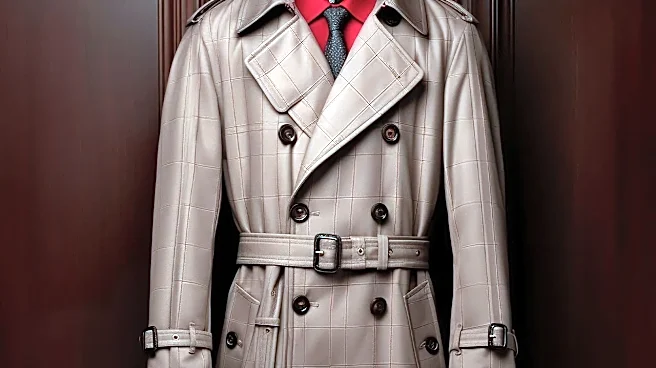
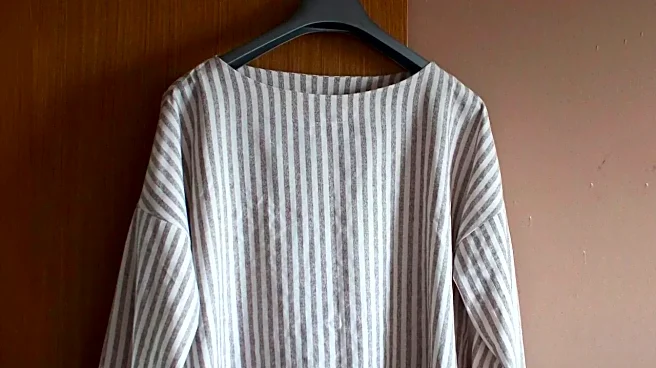
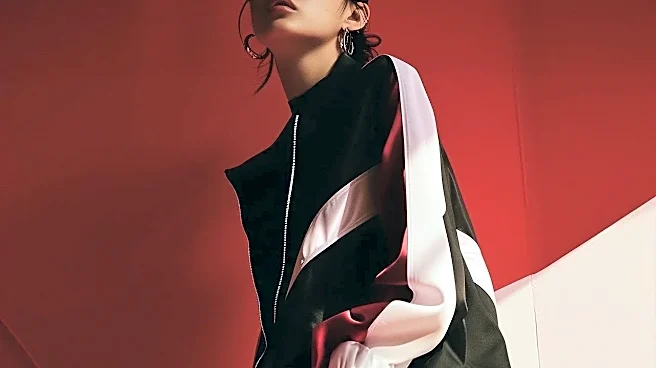
Not all shoulders are created equal, and the shape of a garment’s shoulder quietly communicates a different message. A tailored blazer with a sharp, defined shoulder creates a crisp, authoritative line that makes the waist appear more defined. It’s the go-to for a polished, professional look. In contrast, a 'soft' or 'natural' shoulder, often found in Italian tailoring, has minimal to no padding. It follows the body’s natural curve, creating a relaxed, effortless elegance that prioritizes comfort and movement. Then there are drop-shoulder styles, where the seam sits down on the upper arm. This construction creates a casual, sometimes oversized feel, removing structure for a slouchier silhouette. Even the construction of a sleeve, from a classic set-in style to a roomier raglan, changes the entire dynamic of the upper body. Recognizing these differences is like learning to read the subtle language of clothing.
How to Read the Silhouette
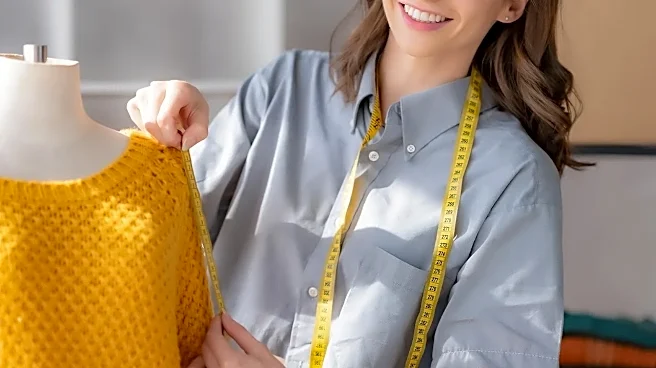
Understanding shoulder construction is a practical tool for building a better wardrobe. When trying on a blazer, notice how the shoulder line sits. A well-constructed shoulder seam should end at your natural shoulder point, creating a clean line without pulling or collapsing. If you have narrower shoulders, a blazer with light structure can create a more balanced silhouette. If you have broader shoulders, a natural or raglan sleeve can soften the frame without adding bulk. It's all about playing with proportions. A top with a strong shoulder line often works best when balanced with a more streamlined bottom, like straight-leg pants or a simple skirt. The goal isn't to chase a trend, but to understand how a garment's internal architecture works with your body to create a silhouette that feels both balanced and authentic.
It's Not Just a Trend, It's a Tool
The return of the structured shoulder in recent designer collections, from Saint Laurent to Stella McCartney, confirms its importance. But beyond the runway, this focus on structure speaks to a broader principle: the psychology of 'enclothed cognition,' which suggests that what we wear influences how we feel and act. A garment with a clean, supportive shoulder line can make you hold yourself differently, projecting a quiet confidence. It's a subtle detail with a significant impact, turning a simple outfit into a polished statement. Whether it's a blazer, a blouse, or even a basic top, the right shoulder construction provides the foundation for the entire look, proving that true style is often built on details no one can see.