




The Endless Scroll Dilemma
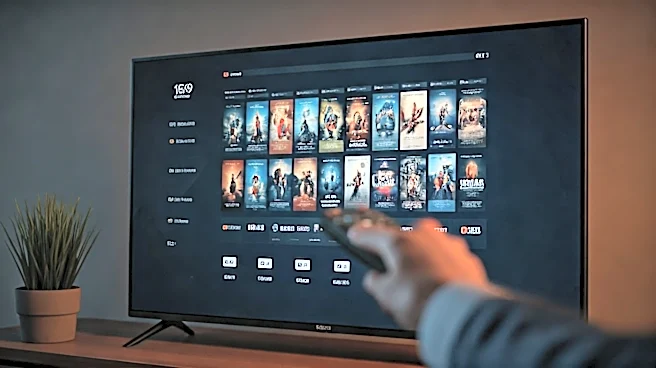
You know the scene. It’s 8 p.m. You’ve finished dinner, cleaned up, and are finally ready to relax. You open Netflix, then Hulu, then Max, then shuffle over to Prime Video. You scroll past dozens of thumbnails—dramas you’re “supposed” to see, comedies
that might be funny, documentaries that look important but demanding. Your “My List” or “Watchlist” has become a digital graveyard, a monument to aspirational viewing that never happens. After 30 minutes, you either give up and watch a familiar sitcom for the tenth time or just go to bed, defeated. This isn't just you; it's a well-documented phenomenon called the paradox of choice. Too many options lead to anxiety and inaction.
The Film Festival Philosophy
Now, picture a different approach. Think about the Tribeca Festival or any other major film fest. Attendees don’t just wander into random theaters. They plan. They look at the program, which is meticulously organized by programmers. It’s not just a list of movies; it’s a curated experience. There are thematic blocks (“Midnight” for horror, “Spotlight” for major premieres), director retrospectives, and showcases dedicated to a specific country or genre. The festival gives the chaos of hundreds of films a structure, a narrative, and a mood. Attendees don't just pick movies; they curate a personal journey through the festival. This is the core of the trick: stop treating your queue like a messy storage unit and start treating it like your own personal film festival.
Curate Your Own 'Mini-Fests'
This is where the magic happens. Instead of a single, sprawling watchlist, create several smaller, themed lists. Give them festival-style names. Your “Watch Later” becomes a series of curated programs. For example: * **“90s Legal Thriller Weekend”**: *The Firm*, *The Pelican Brief*, *A Time to Kill*. * **“Comfort Food TV”**: A collection of cozy British baking shows and gentle reality competitions. * **“Director Deep Dive: Denis Villeneuve”**: *Prisoners*, *Sicario*, *Arrival*, *Dune*. * **“NYC in the 70s”**: *Taxi Driver*, *Dog Day Afternoon*, *The French Connection*. By grouping titles by theme, director, genre, or mood, you’re no longer asking “What should I watch?” You’re asking, “What mood am I in tonight?” The choice becomes simpler and more intentional: “Do I feel like a 90s thriller or some comfort food TV?”
The Art of the Double Feature
Festival programmers are masters of scheduling and flow. They think about how one film feels next to another. You can do this, too. Once you have your mini-fests, think about pairings. A great double feature creates a conversation between two films. Try pairing a classic film with its modern remake. Watch a serious documentary on a topic, then follow it up with a fictional film that explores similar themes. For instance, watch the documentary *Jiro Dreams of Sushi* one night and the high-stress kitchen drama *The Bear* the next. This approach transforms passive viewing into an active, engaging experience. You’re not just consuming content; you’re drawing connections and deepening your appreciation.
Embrace a Curator’s Discipline
The final piece of the festival mindset is discipline. Festival passes are finite, and so is your time. Not every movie that looks interesting makes the cut. Be a ruthless curator of your own queue. If you add a movie to a themed list and it sits there for months, it’s okay to let it go. Tastes change. Moods shift. Your streaming queue shouldn’t be a list of obligations. It should be an exciting menu of possibilities you’ve designed for your future self. If a “mini-fest” no longer excites you, delete it and build a new one. The goal is a living, breathing library that serves you, not an archive of guilt.