








The Core Problem: A Team of Stars Isn't a Star Team
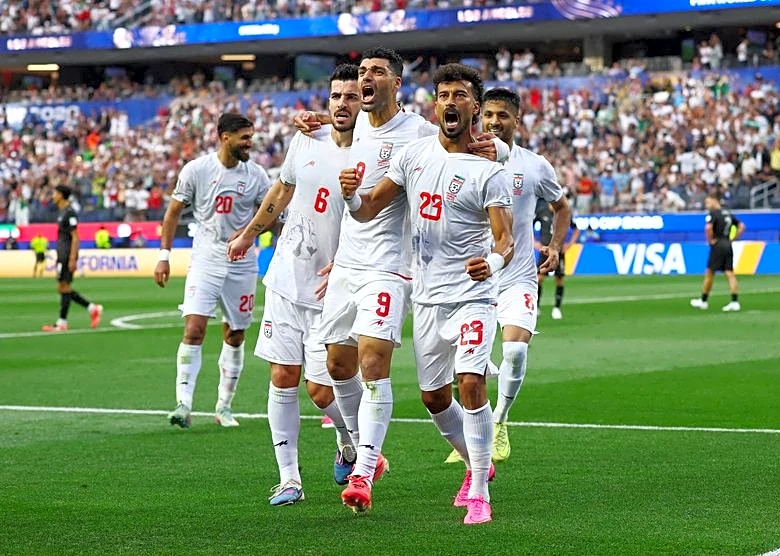
Before we dive into the hall of fame of heartbreak, it’s worth asking: why does this happen so often? The answer is complex, but it boils down to a fundamental truth of the sport. Soccer is a game of chemistry, tactics, and cohesion, not just individual
brilliance. A golden generation is often a collection of superstars who excel for their individual clubs in different systems, under different managers. Forcing them together for a few weeks every two years and expecting seamless harmony is a recipe for disaster. The national team manager is given a box of the world's most expensive and specialized Lego pieces but is often missing the instructions—or worse, has several pieces that simply don't fit together. Add in suffocating media pressure, clashing egos in the locker room, and the sheer randomness of a knockout tournament, and the gilded dream begins to rust.
Case Study: England (2002-2008)
Perhaps the textbook example. England's midfield boasted Paul Scholes, Steven Gerrard, and Frank Lampard—three of the world's best central midfielders, all at the peak of their powers. On paper, it was unstoppable. In reality, it was a tactical nightmare. Managers, particularly Sven-Göran Eriksson, could never solve the puzzle. Playing Gerrard and Lampard together felt like trying to force two north-pole magnets to connect; they occupied the same spaces and nullified each other's strengths. The result? A team loaded with Premier League-winning icons that looked disjointed and clunky, consistently crashing out in the quarterfinals of the 2002 World Cup, Euro 2004, and 2006 World Cup, often on the familiar agony of penalties. It was a generation defined not by a trophy, but by a single, endlessly debated question: 'Why couldn't they play together?'
Case Study: Belgium (2014-2022)
Belgium’s squad list for the better part of a decade read like a fantasy team: Kevin De Bruyne, Eden Hazard, Romelu Lukaku, Thibaut Courtois, Vincent Kompany. They spent years ranked No. 1 in the world by FIFA, a statistical testament to their incredible talent pool. Yet, the trophy case remained empty. Their best result was a third-place finish at the 2018 World Cup. By the 2022 tournament in Qatar, the golden sheen had worn off. Reports of internal strife surfaced, with De Bruyne himself bluntly stating the team was “too old” to win. They crashed out in the group stage with a whimper, a sad and anticlimactic end for a team that promised to redefine Belgian soccer but instead became a cautionary tale about the immense weight of the 'golden' tag.
Case Study: Portugal (2000-2006)
Before Cristiano Ronaldo became the nation's singular titan, Portugal had its own Golden Generation, led by the sublime Luís Figo and Rui Costa. This was a team of artists, winning youth championships and playing a beautiful, fluid brand of soccer. Their best chance came at Euro 2004, which they hosted. They navigated a tricky path to the final in Lisbon, with the entire country expecting a coronation. Their opponent? A gritty, defensive, 150-1 underdog Greece. In one of the greatest upsets in soccer history, Portugal lost 1-0. The images of a young Ronaldo in tears captured the heartbreak perfectly. They made a run to the World Cup semifinals two years later, but the dream was over. This generation proved that even when tactics and team spirit align, a single, cruel 90 minutes can shatter it all.