
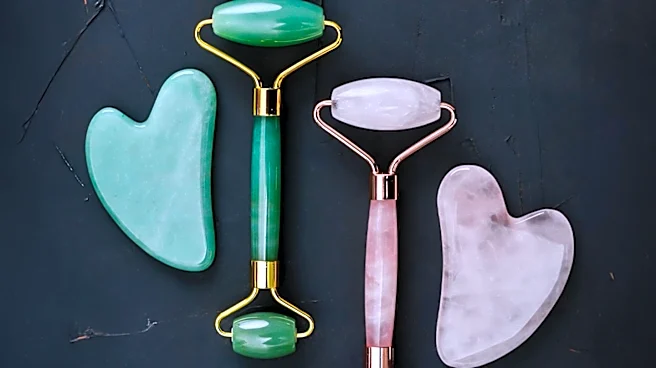
More Than Just a Pretty Stone
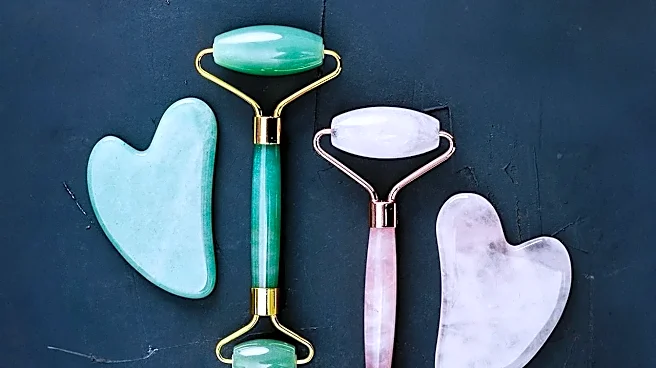
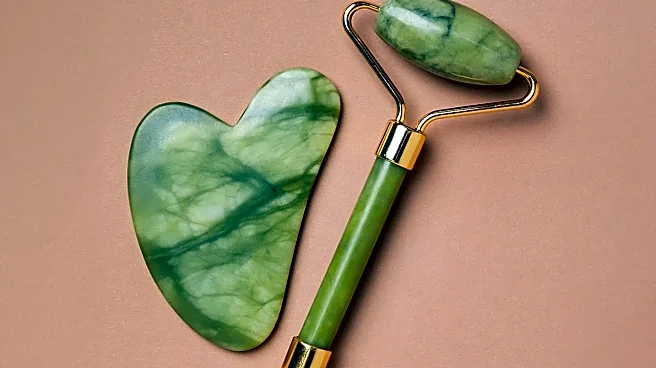
At its heart, gua sha is a practice from Traditional Chinese Medicine that involves gliding a smooth, flat tool across the skin to improve circulation and move stagnant energy, or “qi”. When adapted for the face, the goal is not aggressive scraping but
a gentle massage that encourages lymphatic drainage. Think of it as a way to manually de-puff, boost blood flow, and release tension held in the jaw and brow. The visible result is often a reduction in morning puffiness and a temporary, healthy flush. This isn't about restructuring your face, but about revealing its natural vibrancy by clearing away fluid retention and stimulating the tissue.
The Non-Negotiable Prep Work
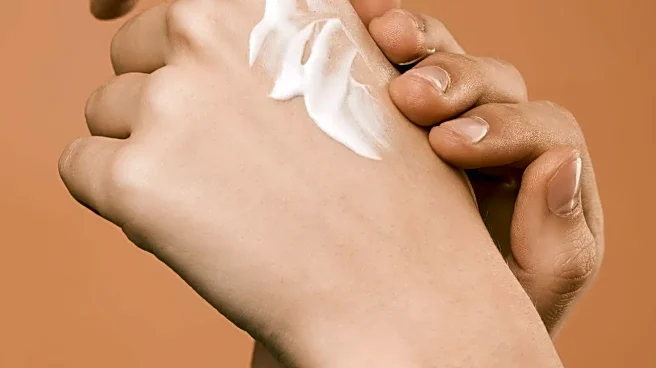
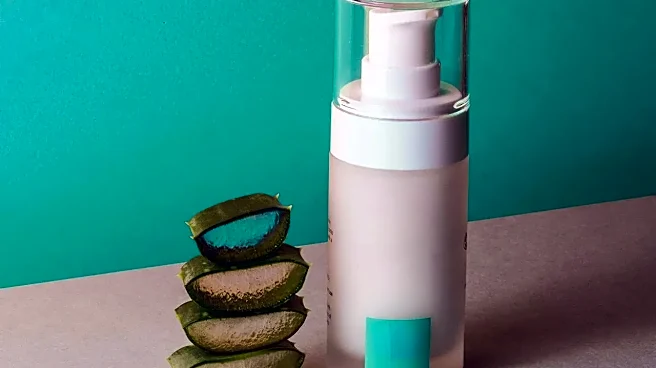
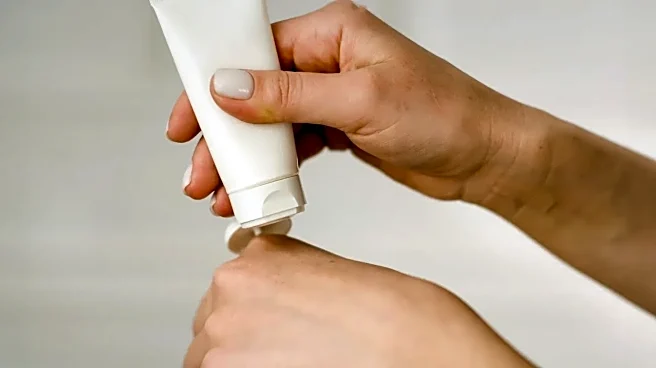
Performing gua sha on dry skin is one of the most common and damaging mistakes. It causes friction that can pull at the delicate facial skin, leading to irritation and redness. Before you begin, your face and your tool should both be clean. Then, apply a liberal amount of a facial oil or a slippery serum. This creates the necessary “slip” that allows the tool to glide smoothly without tugging. The right product not only prevents damage but can also help nourish the skin as you massage, enhancing the overall benefit of your routine.
The Art of the Gentle Glide
Proper technique is defined by three key things: angle, pressure, and direction. First, the tool should be held almost flat against the skin, at a 15 to 45-degree angle, not perpendicular like you're trying to scrape something off. This ensures you are smoothing the skin, not pulling it. Second, the pressure should be light to medium—just enough to feel a gentle pull, but never enough to cause pain. The goal is to influence the fluid just under the skin, which doesn't require deep force. Finally, the direction is always up and out. Start from the center of your face and glide the tool towards the hairline and ears, where lymph nodes are concentrated. For the neck, the motion is downward toward the collarbone to help drain the fluid away. Each movement should be repeated about three to five times per area.
What to Expect: A Healthy Flush, Not Bruises
When a facial gua sha is done correctly, your skin will likely show a mild pinkness or a rosy flush. This is a sign that you have successfully stimulated blood circulation. It should feel comfortable, relaxing, and relieving, especially in areas where you hold tension, like the jaw. What you should not see are bruises or petechiae—tiny red or purple spots that result from broken capillaries. These are signs that far too much pressure was used. While deep-red marks are sometimes an intentional outcome of traditional gua sha bodywork, they have no place in a facial treatment. If you experience pain or bruising, lighten your pressure significantly or stop altogether.
The Results: Immediate Glow and Long-Term Gains
The most immediate result you'll see after a proper gua sha session is reduced puffiness and a vibrant glow. By sweeping away excess fluid, facial contours can appear temporarily more defined, especially around the jawline and under the eyes. It’s a satisfying, instant-gratification effect. However, the more profound benefits come with consistency. With regular practice—ideally three to five times a week—users often report a lasting reduction in fine lines, a smoother skin texture, and a more even complexion. Over weeks and months, the practice can help soften habitual facial tension, potentially easing deep-set lines in the brow and around the mouth.