





The Quirky, Kingmaking Upstart
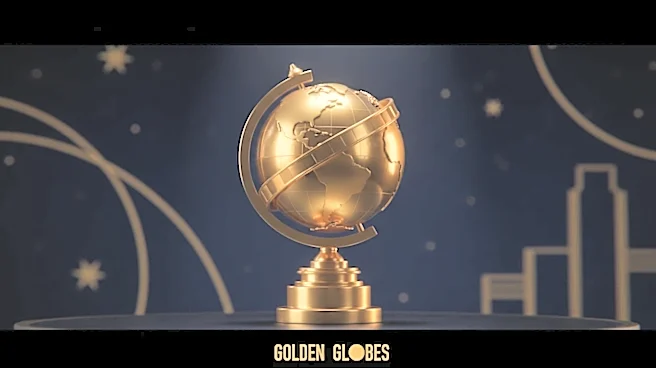
The Golden Globes began in 1944, started by a small group of international journalists calling themselves the Hollywood Foreign Press Association (HFPA). In a town dominated by the prestigious and somewhat stuffy Academy Awards, the Globes were the scrappy,
unpredictable alternative. Their secret weapon wasn't prestige, but timing and television. By holding their ceremony in January, weeks before Oscar nomination voting closed, they became the first major voice in awards season. A Globes win didn't just come with a statuette; it came with a massive dose of media attention, creating a narrative of momentum that was hard for Academy voters to ignore. This positioned them as a powerful bellwether, a kingmaker that could anoint frontrunners and generate invaluable buzz for films and performers.
The Party, the Punchlines, and the Power
While the Oscars were formal, the Globes cultivated an image as a raucous dinner party where stars could drink and relax. This made for great television and helped solidify their place in the pop culture landscape. But behind the celebrity-friendly atmosphere, the HFPA's small and exclusive membership—often fewer than 90 voters—was dogged by rumors of being easily swayed. Allegations of ethical lapses and questionable nominations became a running joke in the industry. Studios allegedly courted the group with lavish press junkets and access, leading to eyebrow-raising nominations for critically panned films. Yet, Hollywood played along. The telecast was popular, and the power to generate Oscar momentum was too valuable to pass up, even if it came from a source many didn't fully respect.
The Scandal That Changed Everything
The long-simmering critiques boiled over in February 2021. A scathing Los Angeles Times investigation revealed that the HFPA had zero Black members and detailed a "culture of corruption" involving questionable payments and ethical conflicts. The fallout was immediate and catastrophic. Major stars like Tom Cruise returned their awards, powerful publicists organized a boycott, and studios like Netflix and Amazon announced they would not work with the HFPA until significant changes were made. The most devastating blow came when NBC, the Globes' longtime broadcast partner, announced it would not air the 2022 ceremony. The party was officially over.
A New Era: Bigger, Broader, and Less Predictable
Facing extinction, the Golden Globes underwent a radical transformation. The HFPA was officially dissolved in 2023, and the awards were acquired by Dick Clark Productions and Eldridge Industries, turning the nonprofit group into a for-profit venture. Most importantly, the voting body was completely overhauled. The tiny, insular group of journalists was replaced by a diverse body of over 300 voters from 76 countries. This new group is more aligned with a critics' body than the old HFPA, fundamentally changing the nature of the award. The organization that was once powerful because it was a small, easily influenced group no longer exists. The current iteration is more credible, but its ability to single-handedly generate Oscar momentum is now very much in question.