





The Cool Blonde Archetype
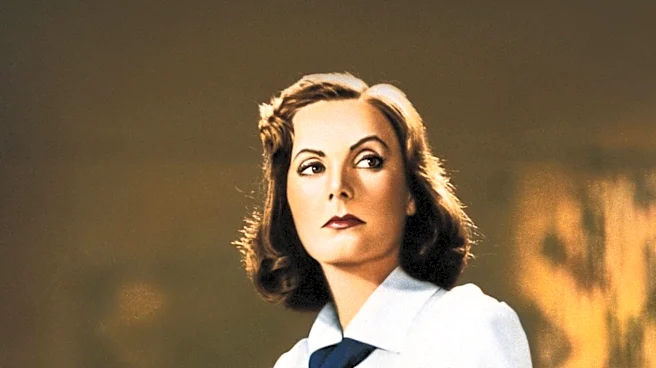
Before she became a real-life princess, Grace Kelly was Hollywood royalty, largely thanks to Alfred Hitchcock. He cast her in a specific mold: the elegant, mysterious, and often emotionally distant blonde. In films like "Dial M for Murder" and "Rear Window,"
she perfected a persona of sophisticated allure. She was the beautiful woman behind glass, an object of fascination whose inner life remained just out of reach. This image, of a cool and untouchable goddess, made her a massive star. Yet it was an image she was just beginning to dismantle when her career came to an abrupt end.
A New Playfulness in 'To Catch a Thief'
The shift began in her third and final film with Hitchcock, "To Catch a Thief" (1955). Playing opposite Cary Grant on the French Riviera, Kelly’s character, Frances Stevens, was different. She was still glamorous and wealthy, but this time she was the pursuer. Full of witty, flirtatious dialogue and a knowing confidence, Frances was a woman who was in on the joke. Whether trading double entendres about chicken legs and breasts or recklessly speeding along the same winding Monaco roads where her life would later tragically end, Kelly showed a fire and playful self-awareness that had been largely absent from her earlier roles. It was the first sign that the actress was more interesting than the archetype.
Life Imitates Art in 'The Swan'
Her next film, "The Swan" (1956), was an almost surreal piece of foreshadowing. Kelly played Princess Alexandra, a young woman groomed for a royal marriage. The film was shot as her own real-life engagement to Prince Rainier of Monaco was unfolding. This performance is fascinating for its meta-commentary; she was, in essence, rehearsing for her future role on a global stage. The character’s conflict between duty and personal desire felt incredibly poignant, blurring the lines between the screen and her reality. While the film itself was a straightforward romance, Kelly’s performance was layered with the weight of the monumental life decision she was in the process of making. The studio even timed the film's release to coincide with her wedding, cementing the connection in the public's mind.
A Triumphant Farewell in 'High Society'
Grace Kelly’s final feature film was the musical "High Society" (1956), a remake of "The Philadelphia Story." As socialite Tracy Lord, torn between her ex-husband (Bing Crosby) and a reporter (Frank Sinatra), Kelly gave what might be her most complete performance. She was witty, vulnerable, and surprisingly adept at light comedy. More importantly, she held her own against two of the biggest male stars of the era. In the film, her character is criticized for being a cold, perfect statue, a direct echo of her own on-screen persona. But throughout the movie, she gets to shatter that statue, showing warmth, confusion, and even a charming drunkenness. It felt like a deliberate and triumphant farewell, a final opportunity to show the full range of her talent before the curtain fell.