

The Myth of the Fading Star
Hollywood loves a narrative of decline. The explosive star burns bright and then fades, their later work a mere echo of their peak. For many, Anthony Quinn—the two-time Oscar winner, the embodiment of earthy virility in films like Viva Zapata! and La
Strada—fit this mold. His name conjures the image of Zorba, dancing with abandon, a life force too powerful to be contained. Yet, to focus only on that explosive energy is to miss the quiet earthquake of his final roles. The raw power of his youth was undeniable, but the performances he delivered in his 70s and 80s were something else entirely: a masterclass in distilled experience, where a lifetime of passion was channeled not into outbursts, but into the weight of a glance or the gravity of a line.
The Patriarch in the Clouds
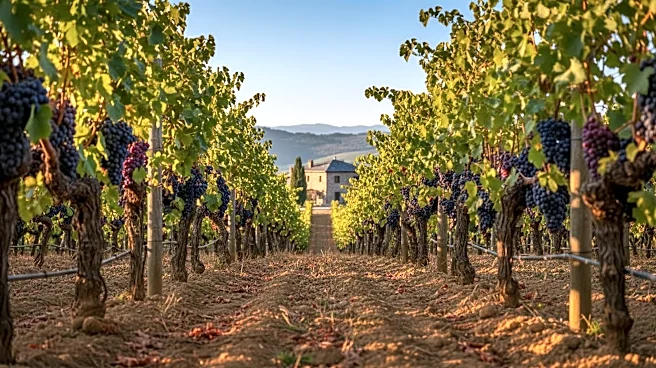
In the 1995 romantic drama A Walk in the Clouds, Quinn played Don Pedro, the patriarch of a proud vineyard-owning family. While the film centers on a younger generation's romance, it's Quinn's magnificent presence that anchors it in a sense of history and heart. At 80 years old, he radiates a warmth and mischief that feels less like acting and more like being. His Don Pedro is the soul of the family, a man who sees through pretense and values tradition without being imprisoned by it. In his scenes, particularly with Keanu Reeves, Quinn isn't just playing a grandfather; he is the embodiment of legacy, his performance a poignant reflection on love, family, and the passage of time. It was a role that traded the volcanic energy of his youth for the deep, resonant wisdom of age.
An Unflinching Don in 'Gotti'
One year later, Quinn delivered a performance that stands as a towering achievement in his late career. In the acclaimed 1996 HBO film Gotti, he played Aniello "Neil" Dellacroce, the underboss and mentor to John Gotti. While Armand Assante's Gotti was a firestorm of ambition and ego, Quinn's Dellacroce was the quiet, immovable center of their world. He portrayed the old-school Mafioso with a chilling stillness, a man whose authority required no theatrics. His scenes are lessons in understated power; every word carries the weight of unspoken history and brutal consequence. For this role, Quinn earned a Golden Globe nomination for Best Supporting Actor, a recognition that his ability to command the screen had not diminished but had simply transformed into something more subtle and arguably more terrifying.
A Personal Swan Song in 'Oriundi'
In one of his last leading roles, the 2000 Brazilian film Oriundi, Quinn played Giuseppe, an elderly Italian patriarch living in Brazil. The film itself is a quiet family drama, but it provided Quinn with a deeply personal canvas. Playing a man reflecting on his past, his heritage, and a long-lost love, Quinn's performance is layered with a palpable sense of autobiography. The role of an oriundo—an Italian living abroad—resonated with his own identity as a Mexican-American icon who became a global star. Though not widely seen in the U.S., the film captures a tenderness and vulnerability that is a far cry from the tough-guy roles that defined his early fame, showing an artist still exploring new emotional territory at the end of his life.
The Final Bow
Anthony Quinn's last screen appearance was in Avenging Angelo, released posthumously in 2002. He plays a mob boss whose death sets the plot in motion. While a minor role in a film that received a limited release, his presence is poignant. Even in this final, brief performance, the gravitas is there. It serves as a bookend to a career that began with him playing gangsters and rebels, only to return to the archetype with the accumulated wisdom of a lifetime. The film itself may be a footnote, but Quinn's appearance is a final reminder of the enduring power of a true screen legend, a man who elevated every project he was in, right up to the very end.