




The 2009 'Fame Monster' Meltdown
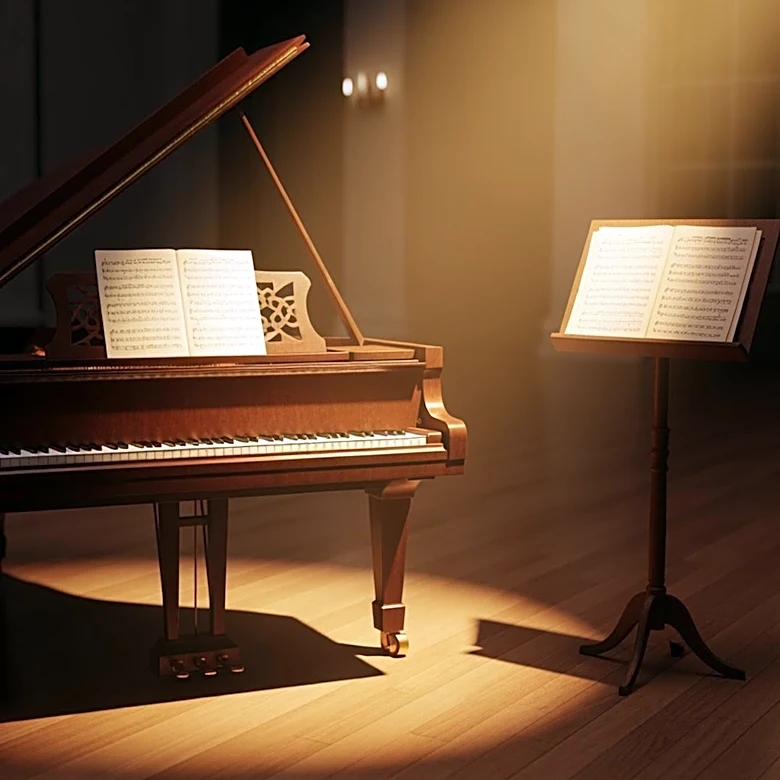
To understand Lady Gaga’s AMA legacy, you have to start in 2009. Fresh off her debut but already deep into her conceptual “Fame Monster” era, she didn’t just sing her hits; she staged a mini-play about the violent nature of fame. She began “Bad Romance” inside a futuristic, flesh-colored contraption, her dancers pulling her out like a specimen. But the real art began with “Speechless.” Gaga, encased in a skeletal rib cage-like outfit, smashed liquor bottles against a piano that would eventually erupt in flames. She then played the burning instrument with a deranged intensity, her vocals raw and powerful. This wasn't a medley; it was a narrative arc. It was messy, dangerous, and theatrical—using the language of music video spectacle in a live
setting to tell a story about self-destruction and artistic rebirth. Mainstream awards shows weren't used to this level of conceptual risk.
The 2013 Presidential Trojan Horse
By 2013, Gaga was the undisputed queen of high-concept performances. For her “Artpop” medley, she entered the stage not with a bang, but on a massive, mechanical white horse operated by two dancers. She played the role of a futuristic president in a glittering lavender suit, surrounded by dancers in Secret Service black. The performance of “Venus” and “Do What U Want” was framed as a press conference, with Gaga playing a powerful figure fielding questions about her art and image. The concept—a powerful woman navigating public scrutiny, literally puppeteering her own grand entrance—was pure political theater. Instead of just singing about empowerment, she built a whole world on stage to embody it. It turned a three-minute pop song into a commentary on power, gender, and celebrity, delivered with the slickness of a Broadway production.
The 2016 Act of Radical Simplicity
Perhaps Gaga’s most surprising act of performance art at the AMAs was her most stripped-back. In 2016, she performed “Million Reasons” from her deeply personal album, “Joanne.” Gone were the elaborate sets and conceptual armor. Instead, she sat on a simple wooden stool, barefoot, with an acoustic guitar. The stage was transformed into a faux-field at dusk, with a backdrop of stars. The “art” here was the deliberate removal of artifice. For an artist known for maximalism, this act of raw, unadorned vulnerability was its own powerful statement. It was a performance *about* authenticity. She forced an audience accustomed to spectacle to lean in and listen to the lyrics, to focus on the emotion in her voice. In the context of her own history, this minimalism was just as theatrical and conceptually deliberate as setting a piano on fire. It was performance art in reverse, demonstrating that the absence of spectacle can be the biggest spectacle of all.
The Art of the Spectacle
What ties these disparate moments together is a core understanding of the stage as a canvas, not just a platform. Where many artists use an awards show performance to simply recreate a music video or concert moment, Gaga uses it as a one-night-only installation. She leverages the massive, mainstream audience of a show like the AMAs to deliver ideas that are often reserved for smaller, more niche art spaces. Her performances are built around a central thesis, whether it’s the horror of fame, the weight of power, or the courage of vulnerability. She doesn’t just perform songs; she performs ideas. This commitment to concept is what elevates her appearances from memorable pop moments to genuine pieces of performance art, smuggling avant-garde sensibilities onto one of America’s biggest stages.