





From Spandex Uniforms to Sculpted Armor
Think back to the superhero costumes of previous generations. They were often simple, one-piece spandex or lycra suits, designed for color and recognizability, much like their comic book counterparts. While iconic, they often looked exactly like what
they were: fabric stretched over an actor. The move away from this began in the early 2000s, with films like X-Men famously swapping bright yellow spandex for black leather. But the real revolution came later. Modern superhero suits, from Captain America's tactical gear to Superman's Kryptonian armor, are complex, multi-layered creations. They appear less like clothing and more like a second skin, conveying strength, technology, and a grounded reality, even when the character can fly. This evolution from simple fabric to something that looks engineered and, frankly, expensive, is intentional. It’s achieved not just with high-tech materials, but with the strategic art of the seam.
The Power of the Anatomical Seam
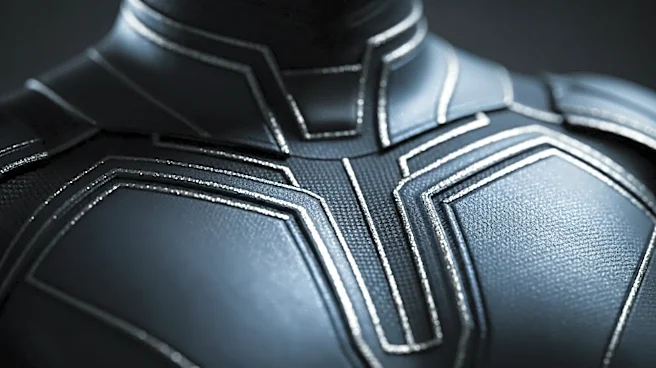
The key detail is the shift to anatomical seaming. Instead of a few simple seams holding a suit together, modern costumes are built from dozens of smaller panels, with the seams tracing the lines of human musculature. This technique, which borrows principles from classic tailoring like the 'princess seam', does several things at once. First, it allows the costume to fit with near-perfect precision, sculpting the actor's body. The seams create valleys and ridges that catch the light, artificially enhancing the definition of the chest, abs, and shoulders. This paneling adds depth and complexity, transforming a flat surface into a three-dimensional form. It makes the suit look less like a costume and more like a piece of functional, high-performance gear that was custom-molded to the hero's physique.
Creating Texture and Telling a Story
These seams are not just for shape; they are crucial for creating the visual richness that reads as 'expensive' on screen. They allow costume designers to combine a variety of materials and textures into a single garment. A smooth, armored plate on the chest can be stitched next to a panel with a subtle, 3D-printed honeycomb or chainmail texture. This textural variation breaks up the monotony of a single material and adds a layer of storytelling. The placement of a tough, leathery texture on the shoulders might imply durability, while a more flexible, finely-woven fabric at the joints suggests mobility. Each panel can be colored or treated slightly differently, giving the entire suit a complex finish that would be impossible to achieve with a single bolt of fabric. This intricate construction signals a high level of craftsmanship and design, convincing the audience that this is no ordinary suit.
More Than Just Good Looks
While the aesthetic benefits are clear, this panel-based construction also serves a vital practical purpose. Fighting, flying, and performing stunts for hours on end in a skintight suit is a physical ordeal. The web of seams allows designers to solve complex engineering problems. They can hide zippers for entry and exit, integrate hidden ventilation panels to keep the actor cool, and build in flexible gussets in key areas like the armpits and groin to allow for a full range of motion without tearing the suit. In this way, the seams are the blueprint for the suit's functionality. They are the intersection of art and engineering, allowing these fantastical costumes to withstand the very real demands of a blockbuster film production.