



The Boxy Fit is a Feature, Not a Flaw
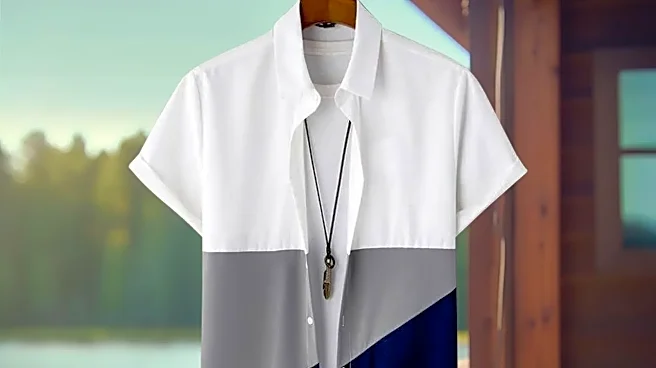
First, let's clear up the biggest misconception. Camp collar shirts are meant to be a little boxy and relaxed; that's central to their appeal. They are defined by a flat, open collar without a stand, a straight hem, and a comfortable cut. The mistake
isn't choosing a boxy shirt, but choosing one with the wrong proportions. The key is to avoid a fit that's genuinely oversized or baggy. A well-fitting camp shirt should have shoulder seams that sit right on the edge of your shoulder bones. If the seams droop down your bicep, the shirt is too big and will look sloppy, not relaxed. The body of the shirt should be loose and airy, allowing for movement without pulling at the buttons. Think 'drape,' not 'baggy.'
Fabric Drape is Non-Negotiable
The way a fabric falls—its drape—is crucial for making a camp collar shirt flatter your frame. Stiff, cheap cottons can create a rigid, tent-like effect, adding visual bulk where you don't want it. On the other hand, fabrics with what designers call 'kinetic drape,' like rayon, Tencel, or silk blends, flow over the body's contours rather than clinging or projecting outwards. These fluid fabrics are especially flattering for heavier builds because they skim the midsection without adding volume. For leaner frames, a slightly more structured fabric, like a quality linen or cotton pique, can add a bit of weight and prevent the shirt from clinging to the torso. Avoid shiny synthetic blends that can look cheap and won't hold the collar's shape after a wash.
For Broad Shoulders and Chests
If you have a broader upper body, the open V-neck of a camp collar is your friend. It visually breaks up the horizontal mass of the chest and elongates the neckline. However, the wrong fit can cause the lapels to bow outwards or the fabric to pull taut across your upper back. To avoid this, seek out shirts with a deep enough V-opening—one that ends a few inches below the collarbone. Ensure the shoulder seams sit correctly at the edge of your shoulder and that the placket lies flat against your sternum without gapping between buttons. The fluid drape of fabrics like rayon or viscose is ideal here, as it falls smoothly over wider shoulders without adding any unwanted bulk.
For Shorter Torsos or Legs
The straight hem of a camp collar is designed to be worn untucked, but this can be tricky for men with shorter torsos or legs, as it can visually cut the body in half. The ideal length should hit around the mid-fly or halfway down your crotch. A hem that's too long will shorten your leg line, while one that's too short can look shrunken. To maintain balanced proportions, consider tucking the shirt in, especially when pairing it with trousers. This simple move creates a clear waistline and elongates the legs. Another option is to look for shirts with a slightly shorter, more modern cut designed specifically to hit at the right point, preserving a clean vertical line.
For Larger or Rounder Midsections
It might seem counterintuitive, but the relaxed cut of a camp collar shirt can be more flattering for a larger midsection than a tight-fitting tee or polo that clings. The key is choosing a shirt with the right drape. A fabric that skims the torso, like a medium-weight Tencel or linen blend, will create a cleaner silhouette than stiff cotton that 'tents' out from the chest. Look for straight-cut side seams and subtle side vents at the hem, which allow the shirt to move with you and prevent it from pulling horizontally across the hips. Darker colors and vertical patterns can also help create a slimming effect by drawing the eye up and down rather than side to side.