





Defining the 'Traditional' Silhouette
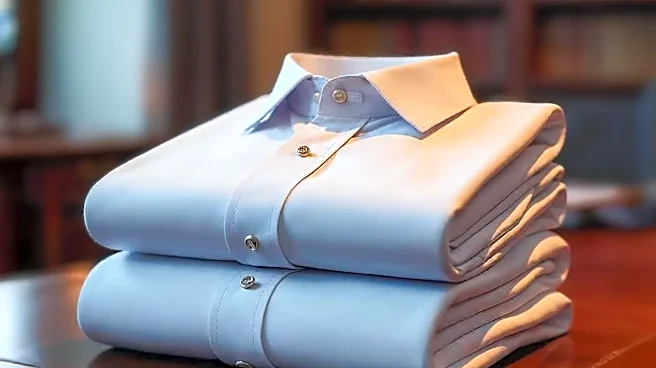
A traditional fit, often called a classic or standard fit, is all about structure and clean lines. Think of a suit jacket that follows the natural line of your shoulders or a pair of trousers that sits cleanly at the waist and falls straight. This style
is designed to create a sharp, defined silhouette. It doesn't cling, but it doesn't offer a lot of excess fabric, either. Historically, this fit was the default, born from classic tailoring where every seam and dart was placed to enhance the wearer's shape. The focus is on a crisp presentation, where the garment’s structure does most of the work. While timeless, this fit can sometimes feel restrictive during more active movements if not executed with expert precision.
The Modern Appeal of 'Comfort Fit'
Comfort fit, as the name implies, prioritizes ease of movement and a more relaxed feel. This can mean a looser cut through the body, a higher rise in pants, or more room in the seat and thighs. It’s a direct response to our more casual and active lifestyles. However, “comfort fit” is not synonymous with “baggy” or “sloppy.” In a well-designed garment, the comfort fit drapes cleanly without swallowing your frame. The challenge for designers is to add this extra room without losing the garment’s shape. This is where quality really begins to show, as simply adding more fabric can lead to a bulky, unflattering look. True comfort fit is an intentional design choice, engineered for mobility.
The Hidden Detail: Construction at Stress Points
Here’s the secret that often separates the exceptional from the average: the construction at key stress points. While you’re comparing two pairs of pants, one traditional and one comfort, ignore the overall cut for a moment and turn them inside out. Look at the crotch seam. In mass-market clothing, you’ll often find four seams converging in a single, bulky point. This method is fast and cheap, but it creates a major point of tension that restricts movement and is prone to ripping. In a high-quality garment, you might find a gusset—a small, diamond-shaped piece of fabric inserted into the seam. This small patch of fabric completely changes the engineering of the pants, distributing stress away from a single point and allowing for a much greater range of motion.
Why It Screams Craftsmanship
Adding a gusset or using other reinforcement techniques is a hallmark of superior craftsmanship for a few key reasons. First, it requires more material and a more complex pattern. Second, it takes more time and skill to sew correctly, as it involves setting a separate piece of fabric into a high-tension area. Manufacturers focused on speed and volume often skip this step entirely. This detail is not just functional; it’s a deliberate choice to build a more durable and comfortable garment. You'll find gussets in high-end hiking gear for mobility and in bespoke trousers for a superior fit. Another related sign of quality is generous seam allowance—the fabric between the stitching and the cut edge. Cheaper garments often have very narrow allowances to save fabric, leaving no room for future tailoring. Well-made clothing provides enough room for adjustments, signaling that the maker expects the garment to be a long-term investment.