






What Exactly Is 'Page 3 Energy'?
Think of it as the soap opera of sports. It’s the collection of narratives, personalities, and off-pitch drama that makes a game more than just a game. It’s the heated rivalries, the controversial calls, the unexpected heroes and villains, and the celebrity-fueled
storylines that capture the imagination of people who don't know the offside rule. In America, our biggest sports thrive on this. We’re conditioned to consume sports not just as athletic contests, but as entertainment franchises built around larger-than-life characters. For years, soccer struggled to deliver that same narrative punch to a casual U.S. audience. The 2026 World Cup is proving to be a game-changer, demonstrating that the beautiful game can also be beautifully dramatic.
An Appetite for Narrative
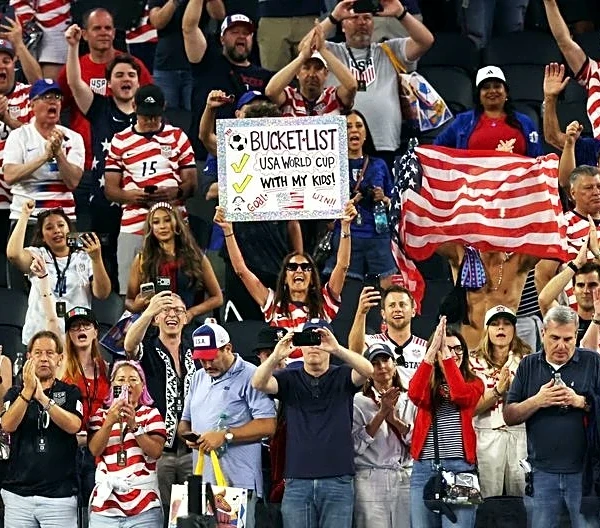
While polls before the tournament showed a majority of Americans weren't interested in the World Cup, the event itself has seen record-breaking viewership. The USMNT’s Round of 16 loss to Belgium, for example, drew a massive television audience, higher than recent World Series and NBA Finals games. Why the shift? Because the tournament provided stories. While the home team's journey ended in the Round of 16, it was a run filled with narrative hooks: a historic group stage performance, a record number of goals, and a heartbreaking exit that had the nation talking. Even after the U.S. was eliminated, the drama continued. The final, pitting reigning champions Argentina against European champions Spain, is a blockbuster matchup of global titans. This is the kind of high-stakes, personality-driven showdown that American audiences understand and crave.
Finding the Main Characters
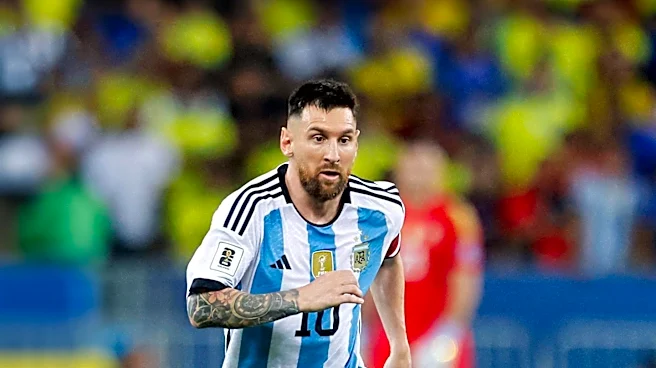
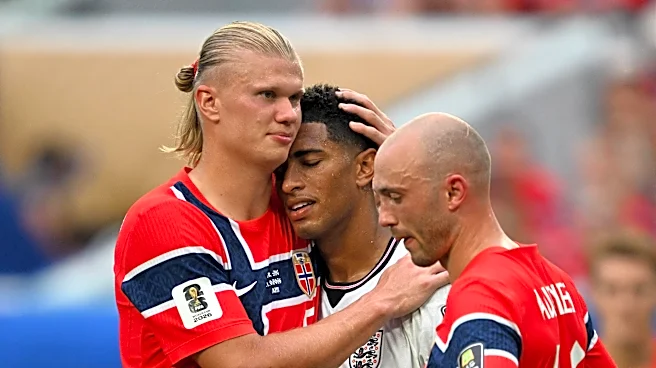
Every great story needs its stars. For Argentina, it’s the iconic Lionel Messi in what could be his final chapter, leading his nation on an emotional wave through the knockout rounds. For Spain, it's a squad defined by technical brilliance and control. But the drama goes deeper. The tournament has been rife with controversy, from debates over VAR decisions in crucial matches to FIFA's own sometimes-clumsy management, like introducing commercial-filled 'hydration breaks' or a Super Bowl-style halftime show for the final. These disputes, while frustrating for purists, create talking points. They fuel debate shows, social media arguments, and barstool conversations, pulling casual observers into the fold. Even the U.S. team's performance sparked intense debate about whether their run was a success or a disappointment, creating a national conversation about the team's identity and future.
Selling the Story, Not Just the Sport
For decades, the question has been how to make soccer a top-tier sport in America. The 2026 World Cup suggests the answer was never about changing the rules or the pace of play. It was about changing the way it's framed. By leaning into the narratives—the national pride, the personal redemption arcs, the controversies, and the clashes of titans—the tournament has finally spoken a language that the broad American market understands fluently. Packed stadiums and record TV ratings aren't just a result of hosting the event; they're a result of the event delivering the kind of compelling, can't-miss drama that defines modern sports entertainment. It proved that when soccer offers a spectacle rich with human stories, America will not only watch, but become deeply invested.