

The 'Wicked' movie is here, and the weight of a thousand Oz-ian expectations comes with it. For fans, separating the new film's creative choices from the iconic stage show can feel impossible. But what if we could judge both fairly?
Assess the Story, Not Just the Changes
First, let's acknowledge
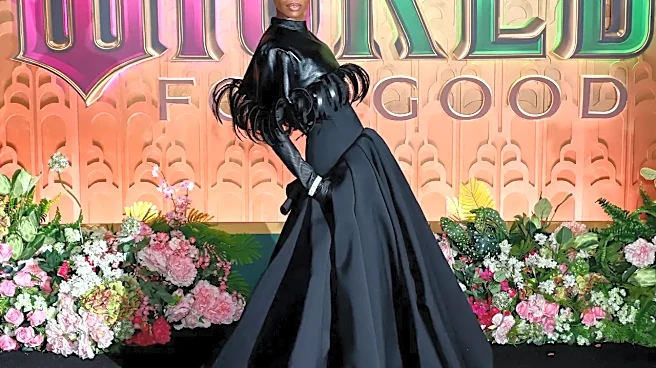
the elephant in the room: director Jon M. Chu split the musical into two films. This wasn't just to sell more tickets; Chu and the writers argued it was necessary to avoid cutting beloved songs and characters, allowing for a deeper dive into the world Gregory Maguire first imagined. The first film gives Elphaba and Glinda's early relationship more room to breathe, adding flashbacks to Elphaba's childhood to better establish her motives as an animal rights activist. The second film, 'Wicked: For Good,' then tackles the musical's denser, more dramatic second act. When watching, the key question isn't 'Is this different from the stage show?' but rather, 'Does this new structure work as a film?' Does the expanded story add meaningful depth to the characters' journeys, or does it hurt the pacing? A movie has different narrative needs than a stage play, and a successful adaptation respects that.
Judge the Singer, Not the Ghost of Broadway
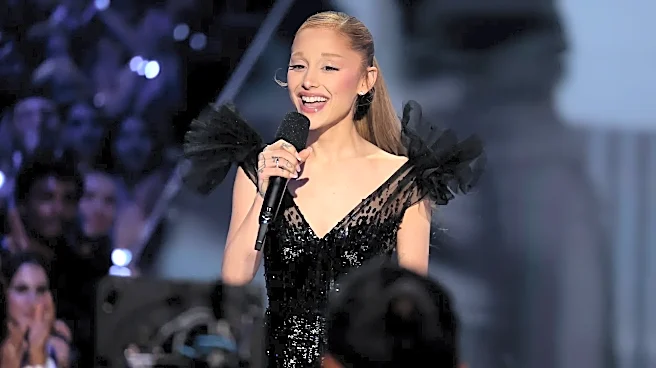
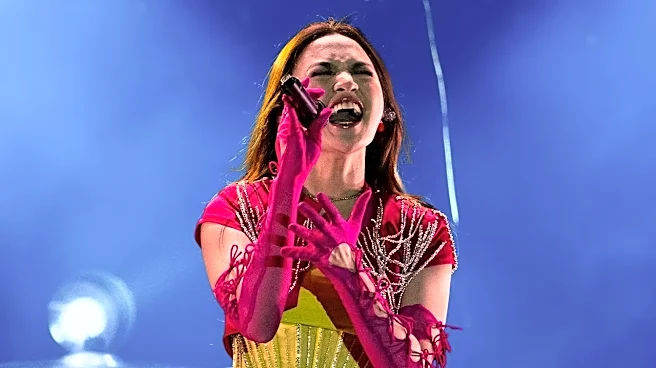
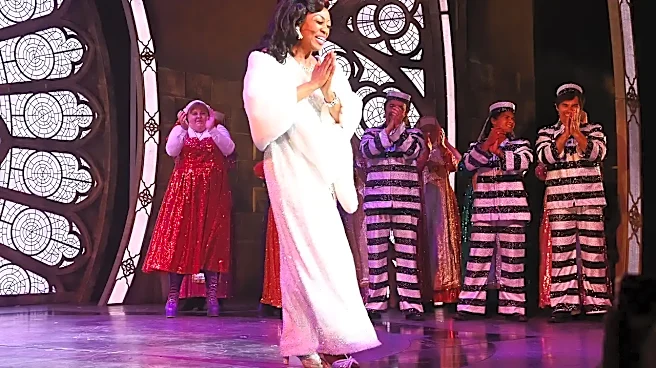
Cynthia Erivo is not Idina Menzel. Ariana Grande is not Kristin Chenoweth. And that is the entire point. An actor's job in a new adaptation isn't to create a carbon copy of a legendary performance; it's to find their own truth in the character. Critics have widely praised both Erivo's powerful, emotionally resonant vocals and Grande's surprisingly layered and comedic take on Glinda. Instead of comparing Erivo's 'Defying Gravity' belt to Menzel's, ask how her version serves the film's specific moment. Does her raw power feel earned by the cinematic story leading up to it? Does Grande's interpretation of 'Popular' reveal a different facet of Glinda's ambition and vulnerability? The goal is to evaluate the performance based on its own merits and its chemistry with its scene partners, not against a two-decade-old memory from the Gershwin Theatre.
Embrace the Language of Cinema
Theater thrives on suggestion and suspension of disbelief; a movie musical uses a completely different toolkit. Chu is known for his visually ambitious style, seen in 'Crazy Rich Asians' and 'In the Heights'. In 'Wicked,' that means we get sweeping shots of the Emerald City, cinematic close-ups that reveal a character's internal conflict, and visual effects that make magic feel tangible. A key change in 'Defying Gravity,' for example, involves Elphaba initially stumbling before a vision of her younger self inspires her to finally fly. On stage, this moment is about pure vocal power and stagecraft. In the film, it becomes an intimate, psychological victory told through editing and effects. When you notice a change, ask yourself if it leverages the medium of film to tell the story in a way the stage simply can't. The success of an adaptation often hinges on how well it translates the feeling of the original into a new artistic language.
Look for the 'Why' Behind Each New Choice
Every change in an adaptation is a deliberate choice, and understanding the potential 'why' can deepen your appreciation. For instance, the film gives Madame Morrible a much more active role in recruiting Elphaba to Shiz University, establishing their complex mentor-protégé relationship earlier and with higher stakes. The second film reportedly adds two new songs, 'No Place Like Home' and 'The Girl in the Bubble,' to flesh out moments that were more transitional on stage. These additions aren't random; they are there to solve problems or explore themes. Did the writers feel a certain character's motivation was unclear? Did a time jump on stage feel too abrupt for a film? By thinking like a storyteller, you can move past a simple 'right' or 'wrong' verdict and engage with the adaptation on a more analytical level, appreciating the craft behind the curtain.