



Passive Comfort vs. Active Catharsis
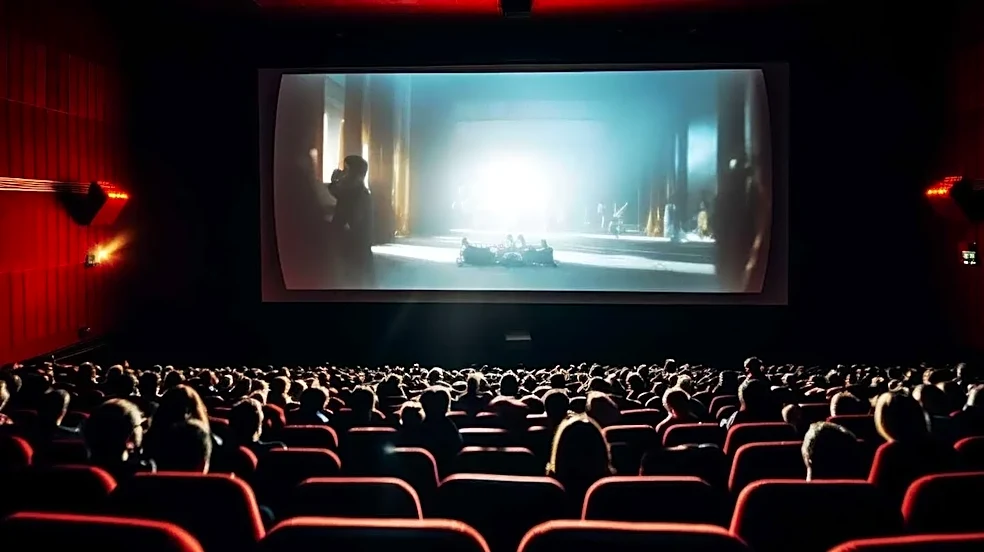
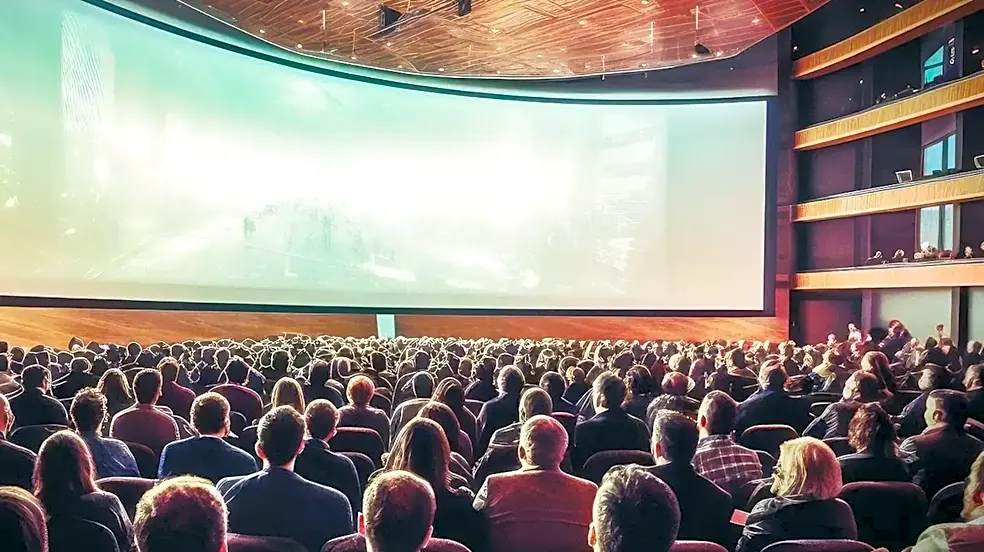
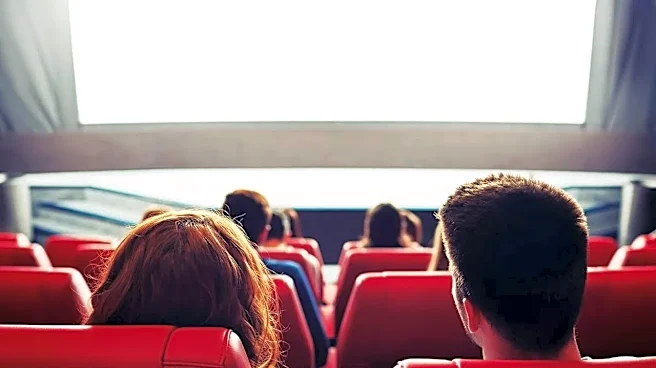
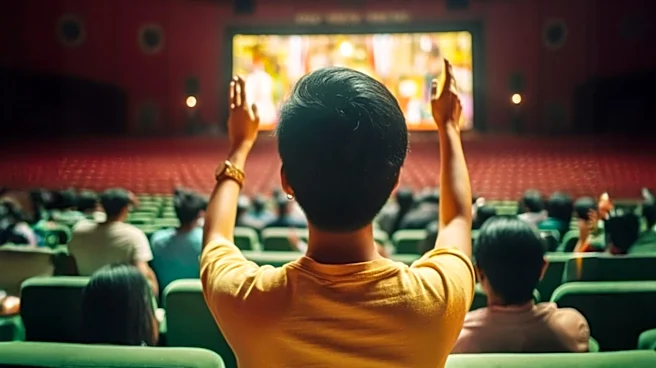
A summer blockbuster is fundamentally a passive experience. You settle into a plush seat, armed with popcorn, and let a meticulously crafted story wash over you. The social contract is one of quiet, shared observation. The goal is to be transported, to witness
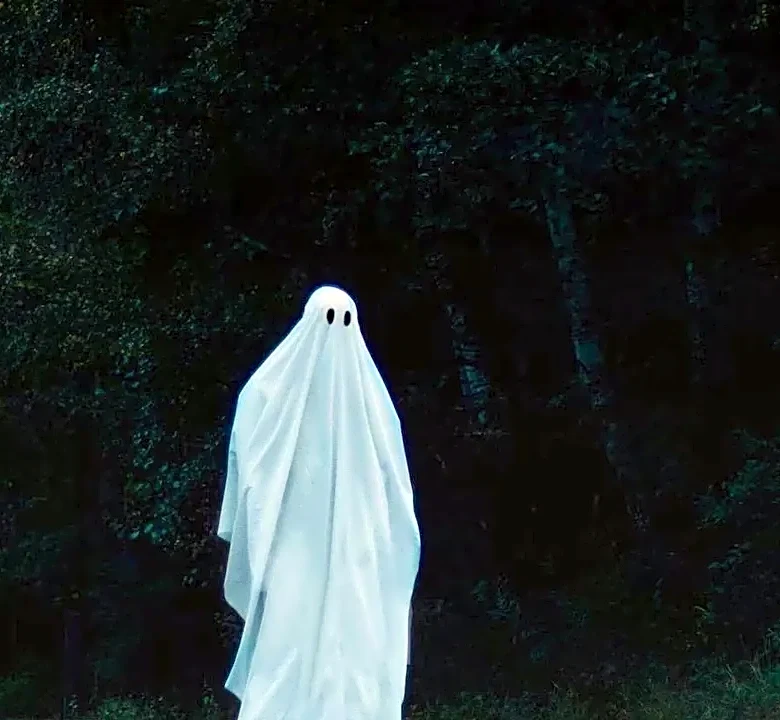
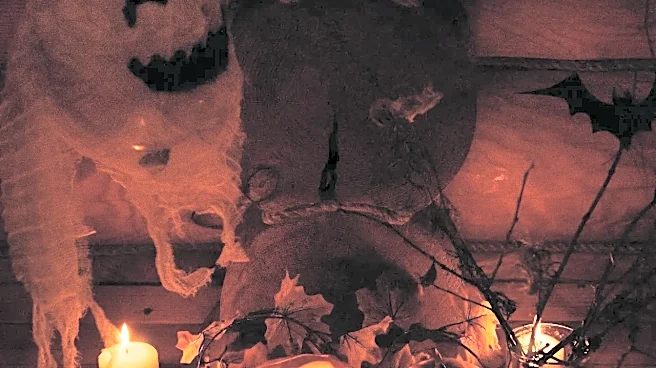
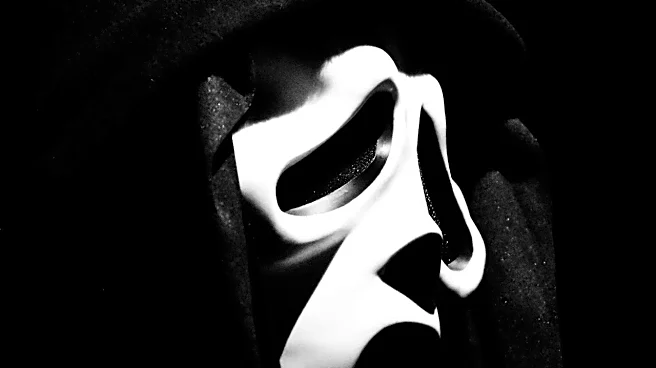
spectacle, and to leave feeling satisfied by a story that, for all its twists, generally follows a predictable emotional arc. It’s entertainment as comfort food. A Halloween attraction is the opposite; it is active and participatory. You are not a spectator but a player in the game. The experience demands your involvement—you must walk through dark corridors, react to sudden scares, and physically navigate the environment. People who line up for a haunted house aren't seeking comfort; they are seeking a controlled, cathartic release. The thrill comes from experiencing fear in a safe context, a phenomenon that provides a genuine adrenaline rush and an emotional reset that passive viewing cannot replicate.
The Four-Quadrant Dream vs. The Niche Nightmare
Summer blockbusters are often designed for 'four-quadrant' appeal, meaning they are built to attract males, females, those over 25, and those under 25. The storytelling is broad, the themes are universal, and the goal is maximum market penetration. They are entertainment for everyone. Haunted attractions and Halloween events, however, cater to a more specific, self-selecting tribe. While many age groups attend, the core demographic trends younger, typically teens and young adults between 18 and 34 who are actively seeking intense experiences. This audience is not a passive mass market; it's a subculture built around the love of a genre. They share a common language and an appreciation for the artistry of the scare. For this group, horror is often a year-round lifestyle, not just a seasonal activity.
A Shared Spectacle vs. A Shared Ordeal
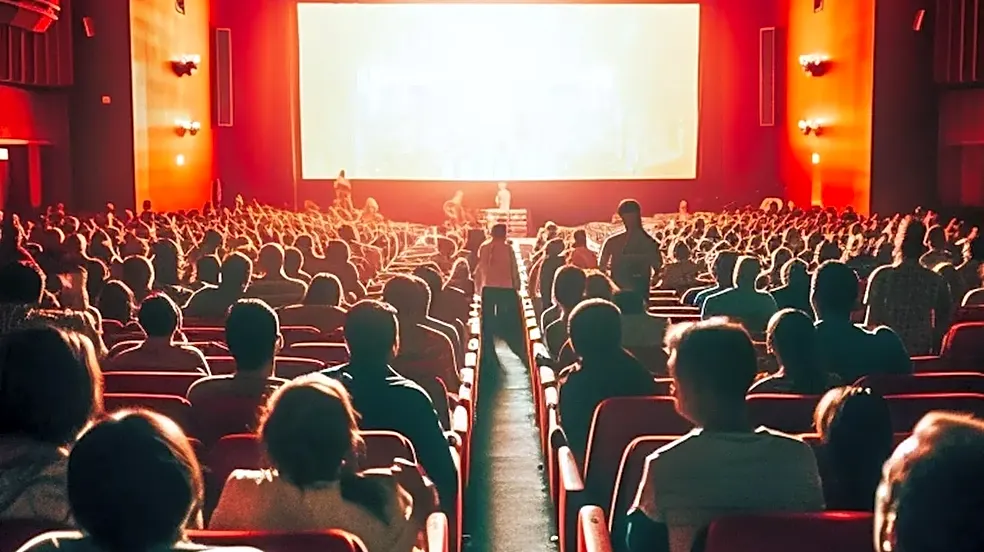
While both experiences are communal, the nature of the community is fundamentally different. In a movie theater, the audience shares in a collective awe or laughter, but the interaction is largely unspoken—a shared gasp, a collective cheer. The connection is based on simultaneously witnessing the same event on screen. The bond in a Halloween crowd is forged through shared ordeal. It’s about grabbing your friend’s arm, laughing nervously after a jump scare, and collectively debriefing the experience afterward. The social aspect is interactive and vocal. You are not just watching the story; you are surviving it together. This participatory element creates memories that are often more personal and visceral than those from passively watching a film. Instead of saying, 'We saw a great movie,' participants say, 'We made it through!'
The Predictable Escape vs. The Unpredictable Thrill
Ultimately, the blockbuster audience wants to escape into a world where good triumphs and order is restored. The experience is a multi-million dollar production designed to be seamless, impressive, and ultimately, reassuring. The Halloween crowd, by contrast, wants to escape into a world of chaos. They are paying for the thrill of the unpredictable—the live actor lurking in the shadows, the sudden blast of air, the startling sound that can't be replicated on a Dolby Atmos system. Interestingly, Hollywood has learned to respect this difference. Studios often avoid releasing major films on Halloween weekend itself, knowing that their target audience is likely engaged in these more active, participatory forms of entertainment like parties and haunted attractions. It’s a tacit acknowledgment that on that particular night, the passive escape of cinema takes a backseat to the hands-on thrill of a live scare.