







The Classic Trick: 'Day for Night'
One of the oldest tricks in the book is called 'day for night'. Crews shoot scenes in broad daylight, but use specific techniques to fool the audience into believing it's the dead of night. This involves using special filters on the camera, underexposing
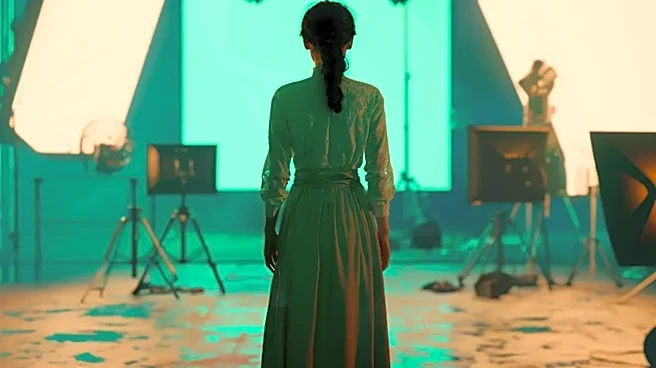
the shot to make it darker, and carefully framing to avoid showing the bright sky. In post-production, colorists then add a heavy blue or teal tint, playing on our brains' association of the color blue with moonlight. While less common now due to advances in camera technology, it's still used when logistics or budget demand it.
The Art of Faking Moonlight
Ironically, the secret to a great night scene is adding a lot of light. The key is making it look 'motivated', as if it's coming from a natural source like the moon or a streetlamp. Cinematographers often use huge, powerful lights—sometimes hoisted on cranes—and diffuse them through massive sheets of fabric to create a soft, even glow that mimics moonlight. This main 'key' light is often positioned behind or to the side of the actors to create dramatic silhouettes and long, spooky shadows, which are essential for building suspense. The goal isn't total darkness, but controlled darkness where the audience can still see the terror on a character's face.
Cameras That See in the Dark
Modern technology has been a game-changer. Today's professional digital cinema cameras are incredibly sensitive to light. Cameras like the Sony FX3 or Canon EOS R6 Mark II have 'dual base ISO' capabilities, meaning they have two native sensitivity settings, one of which is optimized for low-light conditions, allowing them to capture clean, detailed images with very little noise or graininess. This allows filmmakers to use less artificial light on set, creating a more naturalistic and subtle sense of darkness that feels more immersive and genuinely unsettling.
Creating Atmosphere with Haze and Color
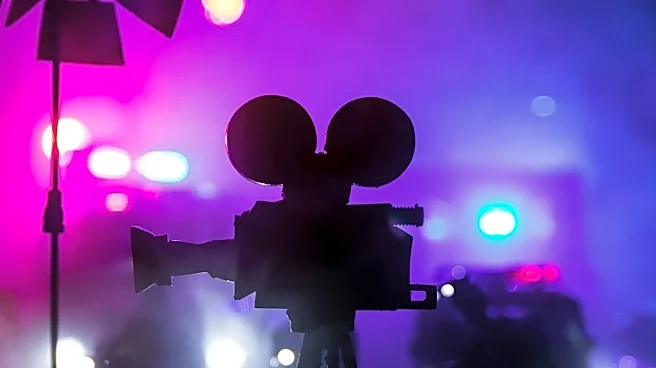
Atmosphere is everything in horror. Production crews often use water-based hazers or smoke machines on set. The haze catches the light, making beams from flashlights or 'moonlight' visible and adding a tangible texture to the air. In post-production, color grading is the final, crucial touch. Colorists can digitally 'crush the blacks' to make shadows deeper and more ominous. They often apply a cool color palette, using blues and greens to evoke feelings of cold, isolation, or decay. Colors like red might be used to signal immediate danger or violence. This final step ties the entire illusion together, turning a well-lit set into a viewer's worst nightmare.