








The Golden Age of Three Networks
For decades, television was synonymous with three names: ABC, CBS, and NBC. They didn't just dominate the airwaves; they were the airwaves. From the 1950s through the 1970s, these networks captured over 90% of the American audience. Their business model
was simple and brutally effective: create programming with the broadest possible appeal to amass a huge audience, then sell access to that audience to advertisers. This created a powerful cultural force known as "appointment television." Whether it was the finale of MAS*H or Johnny Carson's monologue, millions of Americans shared the same viewing experience at the same time because they had no other choice. This scarcity of choice was the foundation of the networks' empire.
The First Cracks in the Dam
The first signs of change appeared not with a bang, but with a cable and a cassette. The 1980s introduced two disruptive forces. First, cable television began wiring its way into American homes, offering dozens of niche channels. Suddenly, you could watch news 24/7 (CNN) or music videos all day (MTV). Second, the videocassette recorder (VCR) gave viewers an unprecedented power: control over time. For the first time, you could record a show and watch it later, fast-forwarding through the commercials that were the lifeblood of the network model. These innovations seemed small, but they planted a revolutionary idea in the consumer's mind: you should be able to watch what you want, when you want.
The Netflix Disruption
The true earthquake arrived with a red envelope and a high-speed internet connection. When Netflix pivoted from mailing DVDs to streaming video online, it shattered the very concept of a broadcast schedule. Fueled by the spread of broadband, the "on-demand" model moved from a niche concept to the new expectation. This wasn't just a new channel; it was a new philosophy. Binge-watching became a cultural phenomenon, and viewers grew accustomed to having entire seasons of shows available at their fingertips. The networks, still built around a weekly release schedule, suddenly looked antiquated. By the mid-2020s, the results were stark, with traditional network shows for news and late-night losing nearly half their viewers over the preceding decade.
The Streaming Wars and Peak Fragmentation
Netflix's success triggered a gold rush. Soon, every major media company wanted its own streaming service to compete. Amazon poured billions into Prime Video. Hulu became a joint venture of legacy media giants. Then came the deluge: Disney+, HBO Max (now just Max), Peacock, Paramount+, and Apple TV+. Each company pulled its prized content—from 'The Office' to 'Friends' to Marvel movies—from other platforms to lock it within its own digital walled garden. This is the era of fragmentation. The audience is now splintered across dozens of apps, each requiring a separate subscription. For consumers, the promise of "a la carte" TV has become a confusing and expensive reality, with the average household juggling multiple services.
An End to Chaos? The Great Re-Bundling
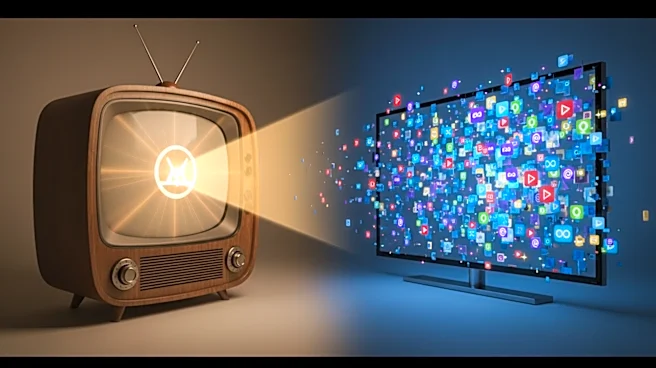
After years of fragmentation, the pendulum may be swinging back toward consolidation. The cost and complexity of managing multiple subscriptions have led to viewer fatigue. In response, the industry is beginning to re-bundle itself. We're seeing major players join forces, like the 2024 launch of a bundle including Disney+, Hulu, and Max. Other partnerships, like those between Peacock and Apple TV, are also emerging. These new packages look suspiciously like the old cable bundles they were meant to replace, albeit delivered over the internet. It suggests the wild, fragmented era may be a transitional phase, as the industry searches for a sustainable middle ground between the total dominance of the old networks and the complete chaos of a thousand separate streams.