



The Core Difference: A Lesson in Construction
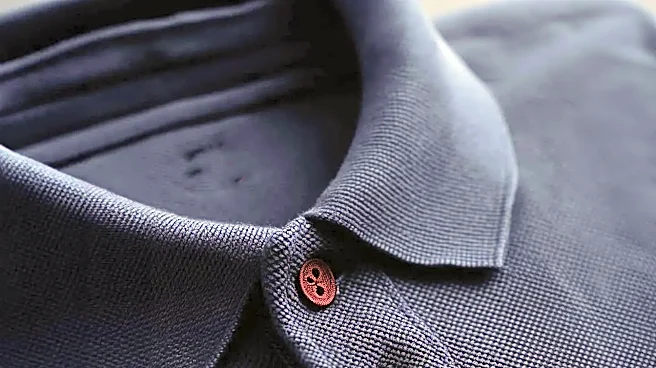
First, let's get the basics straight. The standard cuff on most dress shirts is a barrel cuff. It’s a single layer of fabric that wraps around the wrist and fastens with a button. It's simple, practical, and gets the job done for daily wear. The French
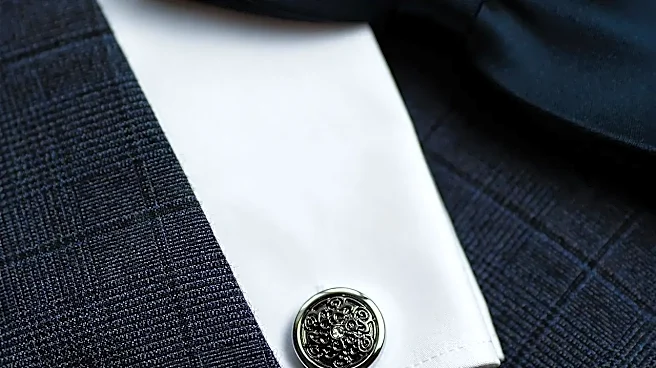
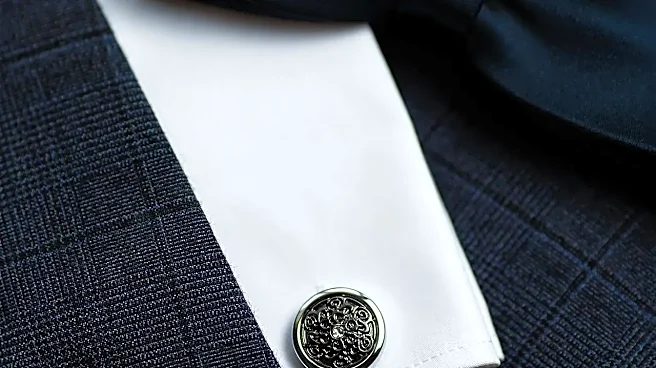
cuff, also called a double cuff, is different by design. It’s roughly twice as long as a barrel cuff, which allows it to be folded back on itself, creating two layers of fabric around your wrist. Instead of buttons, it features buttonholes on both sides that are fastened with cufflinks, which become a structural part of the shirt. This double-layer construction is what sets the stage for everything else.
The Effect on Fit: Volume and Drape
The most immediate effect of a French cuff is on volume. That folded-back fabric creates a more substantial presence at your wrist. While a barrel cuff aims to sit relatively flat, a French cuff is designed to have more body. This isn't a flaw; it's the point. This added volume helps to properly fill the opening at the end of a suit jacket sleeve. A flimsy cuff can get lost, but the heft of a French cuff creates a clean, intentional break. However, this bulk has implications for fit. A shirt with French cuffs needs slightly longer sleeves to accommodate the fold without pulling. The cuff itself should also be looser than a barrel cuff—giving it enough room to create its signature shape without looking pinched or tight. If a jacket sleeve is too slim, it can catch or bunch on the bulkier cuff, so the entire arm's proportions must be considered.
The Impact on Movement: A Surprising Freedom
This is where the practical magic happens. A barrel cuff, buttoned snugly, essentially locks the end of the sleeve to your wrist. It moves as your wrist moves. A French cuff, on the other hand, behaves differently. Because it's a looser, two-part structure held together at a single pivot point (the cufflink), it allows for a greater range of motion. When you extend your arm or bend your wrist, the cuff and sleeve can move more independently. A properly fitted shirt sleeve should have enough length to prevent the cuff from pulling too far back when you reach for something. This design prevents the entire sleeve from riding up your arm during normal gestures, like shaking a hand or speaking, ensuring the cuff remains visible and the sleeve doesn't feel restrictive.
Getting It Right in the Real World
To make French cuffs work for you, a few practical rules apply. The classic rule of thumb is to show about a half-inch of shirt cuff beyond the end of your jacket sleeve. This is especially crucial with French cuffs, as it showcases the detail and balances the visual weight of the suit. Sleeve length is paramount; the shirt sleeve should be long enough to reach the base of your thumb when your arm is at your side. This ensures that even after folding the cuff back, it doesn't become too short. Finally, consider how you fasten them. The traditional “kissing” style, where the two edges of the cuff press together, is the most common and formal method. While traditionally reserved for formalwear like suits and tuxedos, modern style rules are more relaxed, and some wear them to elevate a blazer or even a pair of dark jeans for a smart-casual look.