



The Gen X Experience: Appointment TV
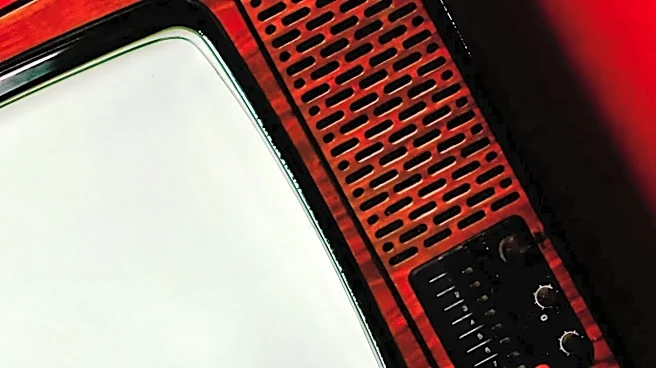
For Generation X, the names MTV, Comedy Central, and Nickelodeon evoke a powerful sense of time and place. Theirs was the era of appointment television. Watching a show meant being home at a specific time on a specific day, gathered around a television connected
to a clunky cable box. The experience was communal and linear. You talked about the latest episode of The Real World or Beavis and Butt-Head at school the next day because everyone had seen it at the same time. The brands were inextricably linked to the channel and the ritual of watching it. Nostalgia for Gen X isn't just for the content itself; it's for the entire analog experience: the grainy picture, the late-night premieres you had to stay up for, and the shared cultural currency that came from a limited number of channels shaping the national conversation. It was a monoculture, and these brands were its cathedrals.
Gen Z’s Rediscovery: The Algorithmic Time Machine
Gen Z’s relationship with these same brands is radically different. For them, a show like Daria or Friends doesn't live on a channel; it exists as deconstructed content, served up by algorithms on streaming platforms and social media. They might encounter a series for the first time not as a 30-minute episode, but as a viral audio clip on TikTok, a reaction GIF on Twitter, or a curated supercut on YouTube. This is what some researchers call “borrowed nostalgia”—a longing for a past they never experienced firsthand but have pieced together from digital artifacts. The brand name is an aesthetic, a vibe, or a fashion statement, often detached from its original context. They consume these shows on their phones, often while scrolling through other apps, in a personalized media ecosystem that bears no resemblance to the scheduled programming of the 1990s.
Comfort Food vs. Fashion Statement
The emotional drivers behind this engagement also diverge. For Gen X, re-watching a classic show is often an act of seeking comfort—a return to the familiar feelings and memories of their youth. It's a form of escapism back to a world they remember, one that felt simpler and less digitally saturated. For many in Gen Z, this same content serves a different purpose. Engaging with Y2K culture and '90s media can be a way to find authenticity in a world of digital noise. It's also a psychological shield; some studies suggest that nostalgia can be a coping mechanism during times of uncertainty, offering a sense of stability. The aesthetic of a show like Gilmore Girls or Sex and the City becomes a form of self-expression, a stylistic choice that feels more grounded than today's fleeting trends.
The Billion-Dollar Business of Memory
This generational crossroads is no accident; it’s big business. Media conglomerates are keenly aware of the value of their back catalogs, often referred to as “legacy content.” Streaming services like Paramount+ and Max rely on these beloved shows to attract and retain subscribers, creating a powerful market where Gen X nostalgia meets Gen Z curiosity. The massive sums paid for the streaming rights to series like Friends and Seinfeld underscore their importance not just as cultural artifacts, but as critical commercial assets. By making these shows readily available, platforms can monetize both the lived memories of one generation and the aesthetic discovery of another, ensuring that the television of the past remains a central part of the present.