







The Punk Rock Ethos and Pop Heart
Before a single pedal was stomped on, Cobain’s sound began with a philosophy. Raised on a diet of Black Flag and the Melvins, he embraced punk’s DIY spirit. Authenticity was everything, and polished perfection was the enemy. This meant that mistakes,
feedback, and raw, unrefined noise were not just tolerated but were essential parts of the texture. Yet, hiding beneath the punk rock abrasion was a deep, almost obsessive love for pop melody. Cobain was a massive fan of The Beatles, and producer Butch Vig famously convinced him to double-track his vocals by telling him John Lennon did it all the time. This created the central tension of Nirvana's music: the brutal force of punk welded to the irresistible structure of a perfect pop song. He aimed for the sonic space where, as he put it, Black Sabbath might meet the Bay City Rollers.
Guitars as Blue-Collar Tools
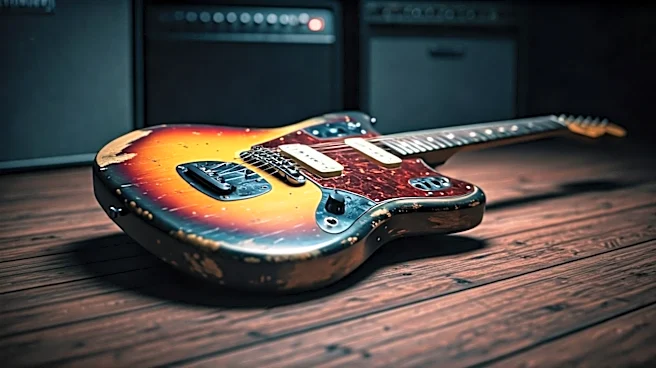
Kurt Cobain did not baby his instruments; he saw them as tools for channeling ideas, and often cheap ones at that. He famously gravitated toward pawnshop guitars like the Univox Hi-Flier and other oddities. His most iconic guitars were Fender Mustangs and Jaguars, which he preferred because they were less common and had a shorter scale length that he found comfortable. But they were rarely left stock. A defining element of his sound was cramming high-output humbucker pickups—like the Seymour Duncan JB or DiMarzio Super Distortion—into the bridge position of these typically single-coil guitars. This modification gave his cheap instruments a thick, powerful, and aggressive voice capable of driving his amps and pedals into saturated chaos. He wasn't chasing a specific tone; he was chasing a feeling, often taping down the knobs and switches on his guitar so nothing would change accidentally during a chaotic performance.
A Pedalboard of Beautiful Noise
Cobain’s pedal setup was deceptively simple but crucial. The foundation of his explosive choruses was a Boss DS-1 or DS-2 distortion pedal. He often ran the distortion at or near its maximum setting, creating a grainy, fizzy, and aggressive crunch that defined the rhythm tones on albums like Nevermind. For the band’s signature clean tones, heard on the verses of "Come As You Are" and "Smells Like Teen Spirit," he relied on an Electro-Harmonix Small Clone chorus pedal. This pedal gave his clean sound its famous watery, slightly detuned, and unsettling quality. He also occasionally used fuzz pedals like the Electro-Harmonix Big Muff for an even thicker wall of sound, and on In Utero, he heavily featured a Tech 21 SansAmp pedal to achieve a more abrasive and raw form of distortion.
The Art of Loud-Quiet-Loud
While Nirvana didn't invent the loud-quiet-loud dynamic—a trick they admittedly borrowed from bands like the Pixies—they perfected it and brought it to the masses. Songs like "Smells Like Teen Spirit" are the quintessential example, with mumbled, subdued verses that build tension before erupting into an explosive, cathartic chorus. This structure was more than a gimmick; it was the entire emotional engine of the song. Cobain’s genius was in how he used this dynamic to mirror the lyrical themes of alienation and frustration. The quiet parts draw you in with vulnerability, while the loud sections provide a visceral release. It was a sonic representation of an inner world, moving from quiet introspection to overwhelming rage, and it became the architectural blueprint for '90s alternative rock.
A Voice That Could Whisper and Shred
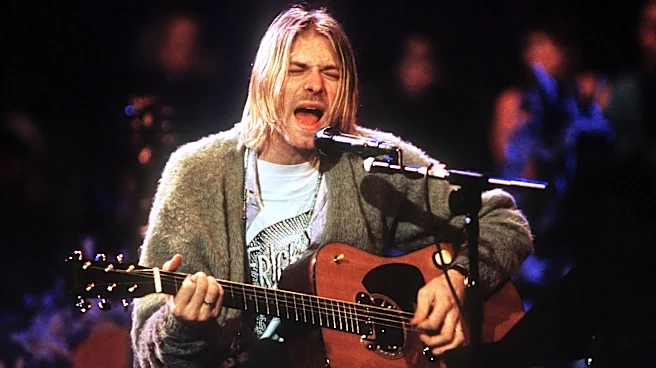
The final, inimitable ingredient was Cobain’s voice. It was an instrument of incredible dynamic range, capable of moving from a fragile, barely-there whisper to a raw, throat-shredding scream within the same song. Producers like Butch Vig noted that Cobain sang with such ferocious intensity that his voice would be shot after just a few takes. This wasn't a singer performing; it was someone expressing profound emotional turmoil with unfiltered honesty. The lyrics themselves were often a collage of phrases pulled from his personal journals, blending poetic imagery with raw, confessional lines that were both specific and universally relatable. This combination of cryptic poetry and raw vocal power ensured that even when you couldn't tell exactly what he was saying, you always knew what he meant.