




The Runway Isn't the Finish Line Anymore
For decades, the fashion world operated on a simple, top-down model. Designers showed their collections six months in advance, magazine editors decided what was 'in,' and retailers placed their orders. By the time a swimsuit from a July runway show hit
stores the following spring, the trend had been carefully curated and controlled by a handful of industry insiders. That calendar is now ancient history. Today, the runway is just the starting gun, and the real race happens online in the hours and days that follow. The judges are no longer just editors; they’re anyone with a phone and an opinion.
Welcome to the Digital Front Row
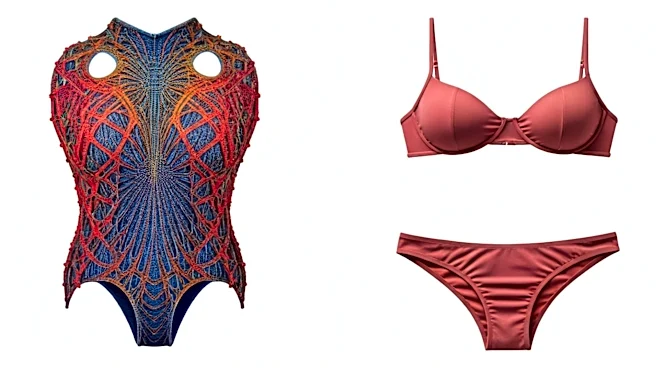
Miami Swim Week, the epicenter of the swimwear industry, used to be a relatively exclusive trade event. Now, it’s a content farm. Shows are live-streamed on Instagram and TikTok, influencers post runway looks in real time, and thousands of fans watch from home, acting as a massive, instantaneous focus group. This is the critical 'fan behavior' mentioned in the headline. When a particular design—say, a neon green bikini with an unexpected hip cut-out or a one-piece featuring intricate macrame—gets screen-shotted, shared, and debated across social platforms, it creates a visible data spike. A model’s confident walk in a daring piece can become a viral clip overnight, detached from the brand or the show itself, simply celebrated as a 'moment.'
Likes and Saves as Free Market Research
Brands aren’t just watching this engagement for vanity metrics; they’re treating it as the most valuable market research they can get. A photo from their runway show that racks up 50,000 likes and hundreds of 'Where can I buy this?!' comments is a clear, unambiguous signal of commercial viability. It’s infinitely more valuable than a polite review in a trade publication. Social listening teams track which looks get the most shares, which colors are generating buzz, and which silhouettes are being hailed as the 'suit of the summer' before the week is even over. This digital chorus of approval or disapproval gives brands the confidence to rush specific styles into production, sometimes adjusting their manufacturing plans on the fly.
The High-Speed Race to Your Cart
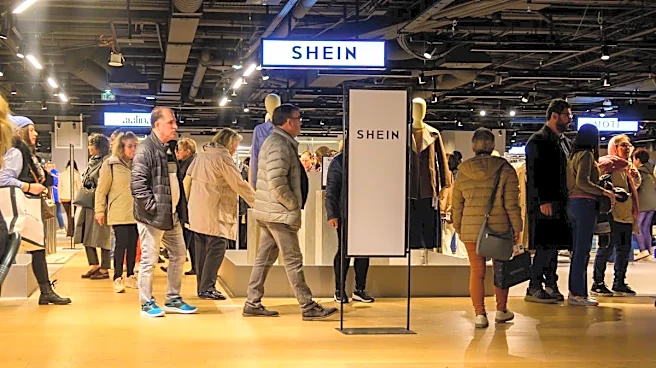
Once a look is identified as a potential viral hit, the race begins. The original designer now faces immense pressure to manufacture and release the style before the hype dies down—or before someone else does. This is where fast-fashion giants and agile direct-to-consumer brands have a massive advantage. They monitor Swim Week with the same intensity as the legacy brands, but their supply chains are built for speed. They can see a style explode on TikTok on a Tuesday, have designers sketch a nearly identical version by Wednesday, and get it into production by Friday. Within weeks, an inspired-by version of the runway’s most-talked-about swimsuit is available to buy online, often for a fraction of the designer price. This cycle effectively turns fan enthusiasm into a purchase order for the fastest manufacturer.
From Niche Detail to Global Trend
Consider the journey of a single trend, like the 'upside-down' bikini top. It appeared in niche forms on runways, but when influencers and fans began styling it and sharing their versions, it became a certifiable viral phenomenon. The key wasn't the designer's initial intent; it was the audience's interaction with the idea. They adopted it, modified it, and shared it, signaling to the entire market that this was a desirable—and sellable—look. Brands from Shein to high-end labels responded by producing tops specifically designed to be worn in multiple ways. The fan behavior didn't just popularize a trend; it co-created and commercialized it at a speed that would have been unimaginable just a decade ago.