






The Iron Bowl: Alabama vs. Auburn
In Alabama, you’re one of two things. There is no middle ground, and for 364 days a year, that tension simmers in offices, families, and friendships. On the last Saturday of the regular season, it explodes. The Iron Bowl, named for Birmingham’s steel-producing
history, is arguably college football’s most emotionally volatile rivalry. This isn’t just about a conference title; it’s about year-long bragging rights in a state utterly consumed by its two flagship universities. The series has been defined by unbelievable moments like the “Kick Six” in 2013 and “Punt Bama Punt” in 1972, but the true nature of the rivalry is felt on every single down. It’s a game where a routine three-yard run is often a violent collision of future NFL talent and in-state kids who have dreamed of this moment their entire lives. The tackles are personal, carrying the weight of a century of animosity that was so intense it once caused the two schools to stop playing for 41 years. To win is validation; to lose is a year of bitter regret.
The Ten Year War: Michigan vs. Ohio State
For a full decade, from 1969 to 1978, the Michigan-Ohio State rivalry wasn’t just a game; it was “The Ten Year War.” This era pitted two legendary coaches, Michigan's Bo Schembechler and Ohio State's Woody Hayes, against each other in a clash of titans that often decided the Big Ten champion and a trip to the Rose Bowl. Schembechler was Hayes’s former player and assistant, adding a deeply personal layer to the conflict. The games were a reflection of their coaches: disciplined, tough, and fundamentally grounded in a smash-mouth style of football. Every yard was a battle. In an era before spread offenses and high-flying passing attacks, these games were won and lost in the trenches. The rivalry's origins are rooted in an actual border dispute between Ohio and Michigan in the 1830s known as the Toledo War. During the Ten Year War, that conflict was reborn on the gridiron, where the physicality was so intense that the entire game felt like one long, strategic brawl. A tackle wasn't just stopping a play; it was a statement of dominance in a war where every inch mattered.
The AFC North Cauldron: Steelers vs. Ravens
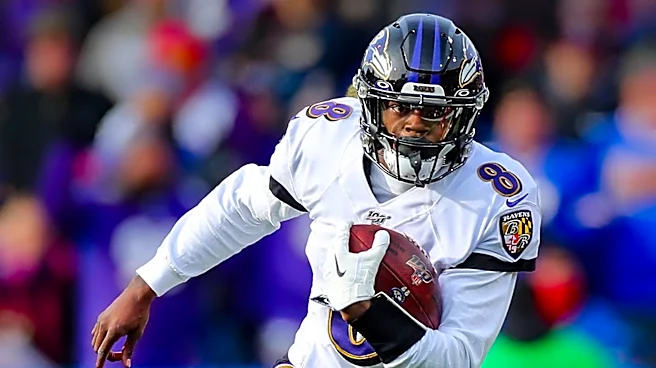
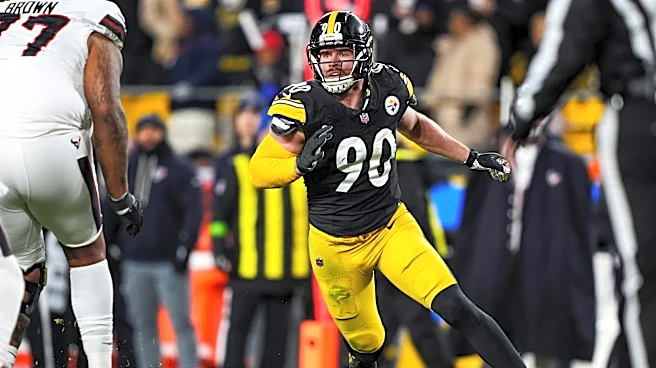
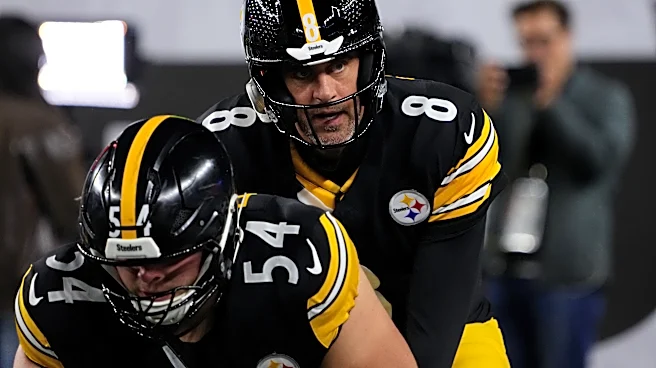
If you’re looking for the modern standard-bearer for sheer NFL brutality, look no further than the twice-a-year slugfest between the Pittsburgh Steelers and Baltimore Ravens. Since the Ravens' inception in 1996, this matchup has been defined by its defensive prowess and bone-jarring hits. Both franchises are built on a foundation of tough, hard-nosed defense, and when they meet, the games often feel less like modern football and more like a throwback to a bygone era. This rivalry gave us legendary defensive players like Ray Lewis and Troy Polamalu, and hard-hitting offensive players like Hines Ward, who relished the physical nature of the contest. Games between these two are rarely high-scoring affairs; they are wars of attrition where field position is everything and points are precious. A sack or a tackle for loss feels like a seismic event. In the 2008 AFC Championship, a legal but concussive hit by Steelers safety Ryan Clark on Ravens running back Willis McGahee became a defining image of the rivalry's intensity—a moment so violent it left both players down. That’s the story of this game: a rivalry so physical that even the winners leave bruised.
America's Game: Army vs. Navy
The Army-Navy Game is different. While other rivalries are fueled by hatred, this one is built on a bedrock of profound, mutual respect. Every player on that field is a future military officer, committed to serving the United States. For 60 minutes, they are rivals, but for the rest of their lives, they are brothers and sisters in arms. This shared destiny adds a unique weight and poignancy to every play. The game itself is a throwback, often dominated by run-heavy, triple-option offenses that demand incredible discipline and toughness. The tackles are clean but ferocious, executed with a precision that reflects their military training. The pageantry is second to none, from the pre-game “March On” of the cadets and midshipmen to the post-game tradition of singing both alma maters together. In the Army-Navy game, every hit tells a story not of animosity, but of shared commitment, sacrifice, and the honor of competing for something much larger than a football game.