




The Sport's Cruelest Lottery
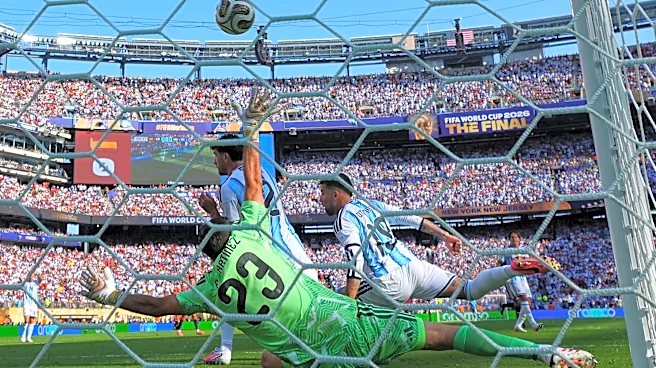
First, let's be clear: any penalty shootout is agonizing. It’s a brutal format that strips a flowing, 120-minute team sport down to a series of isolated, static duels between one player and a goalkeeper. The walk from the center circle to the penalty spot
is famously described as the loneliest journey in sports. The team is gone. Tactics are irrelevant. It’s just you, the ball, and the crushing weight of a nation’s hopes. Research shows that penalty conversion rates, which hover around 85% during the normal run of play, plummet to 76% in a shootout, a clear statistical measure of pressure. But when that shootout involves the host nation, the emotional stakes are amplified into something else entirely.
When Support Becomes Pressure
The home-field advantage is one of sport’s great truths. A supportive crowd, familiar surroundings, and favorable energy typically give the home team a significant edge. But in a penalty shootout, that advantage can dangerously curdle. What should be a wave of support can feel like a tidal wave of expectation. Every one of those cheering fans suddenly represents a hope you might dash. Studies have shown this isn't just a feeling; it’s a measurable phenomenon. Research conducted during the COVID-19 pandemic, when stadiums were empty, found that home teams actually missed fewer penalties without an audience present. This suggests that the roar of a home crowd, intended as support, can significantly increase a player's anxiety and the likelihood of "choking" under pressure. The very thing that fuels a team for 120 minutes can become a psychological poison in the final five minutes.
A Gallery of Famous Ghosts
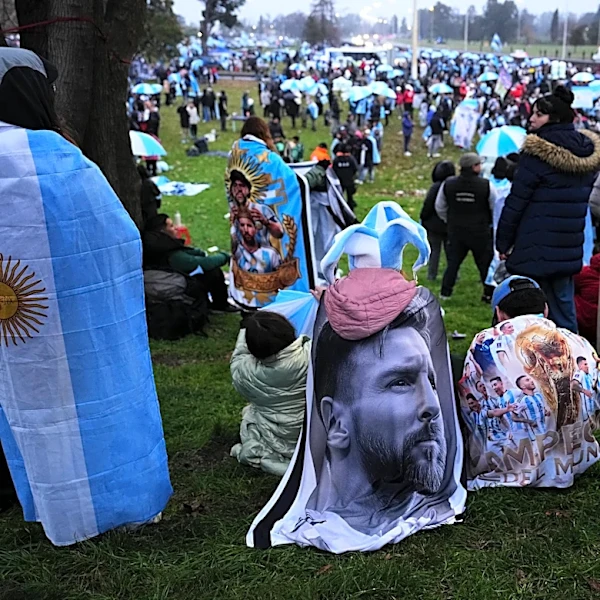
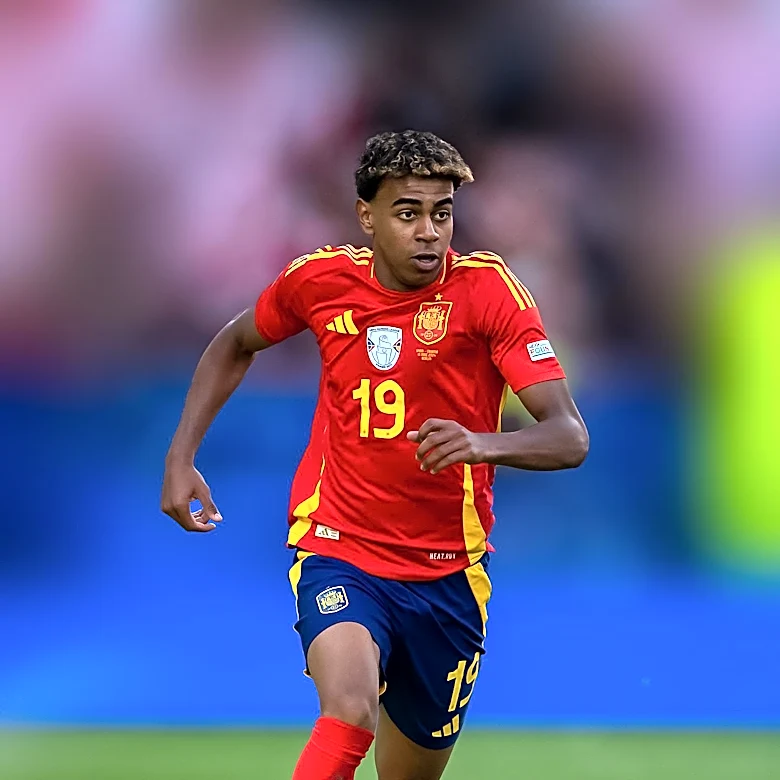
Soccer history is haunted by the ghosts of host nations who fell at the final, most dramatic hurdle. The defining example is Italy at the 1990 World Cup. Riding a wave of national fervor, the host nation reached the semifinals, only to lose to Argentina in a gut-wrenching shootout in Naples. The image of a nation stunned into silence became an enduring part of World Cup lore. More recently, in 2018, Spain experienced the other side of this coin when they were knocked out by host nation Russia in a shootout. The explosion of joy in Moscow was a mirror image of the devastation that would have occurred had the roles been reversed. It's a binary outcome—unforgettable glory or a national trauma—with no middle ground. The collective investment is so high that the fall feels infinitely farther.
The Science of the Long Walk
So what is actually happening in a player's brain? Sports psychologists point to a few key factors. First is the "spotlight effect," a cognitive bias where people overestimate how much others are noticing them. For a penalty taker, that feeling is literal—millions are watching. Under that intense stress, the brain’s fear center, the amygdala, goes into overdrive. This can trigger what’s known as “choking,” where processes that are normally automatic, like striking a soccer ball, are disrupted because the player starts consciously overthinking them. Instead of relying on muscle memory, they're suddenly analyzing every step of a skill they’ve practiced a million times. Add the deafening roar of a hopeful home crowd, and you have a perfect recipe for attentional chaos, where the mind is pulled between the task and the terrifying consequences of failure.