





The Spectacle of the Pitti Peacock
First, let’s set the scene. Pitti Uomo is technically a trade fair where brands and buyers connect. But over the last two decades, it has morphed into the Super Bowl of street style. Men from around the globe descend on the Fortezza da Basso, not just
for business, but to be photographed. This has given rise to the 'Pitti Peacock,' a term for attendees dressed not for comfort or practicality, but for the camera lens. Their outfits are a performance, designed to stand out in a sea of other performers. Think bright colors, wild patterns, oversized accessories, and more hats than a royal wedding. It's a beautiful, chaotic, and often ridiculous display of sartorial ambition.
Defining the 'Too Much' Mistake
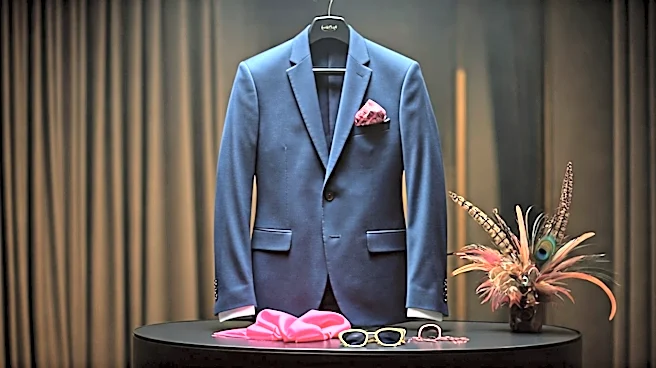
The cardinal sin of the aspiring peacock is wearing too many statement pieces at once. A statement piece is an item that demands attention—it’s the hero of your outfit. This could be a brightly colored double-breasted blazer, a pair of aggressively patterned trousers, a wide-brimmed fedora, intricately detailed monk strap shoes, or an enormous, artfully draped scarf. A single one of these can make an outfit sing. But the Pitti mistake is piling them all on. It's the gentleman wearing the electric blue suit, *and* the paisley tie, *and* the canary yellow loafers, *and* the tortoiseshell sunglasses, *and* the vintage watch on a bright NATO strap. Each piece is screaming for attention, and the result is not a harmonious chorus, but a cacophony. Instead of looking stylish, the wearer looks like an indecisive walking mood board.
Why This Matters Beyond Florence
It’s easy to dismiss this as a niche problem for fashion insiders. Who among us is really debating between a third statement accessory or a fourth? But the Pitti mistake matters because it illustrates a fundamental principle of good style that applies to everyone: the importance of hierarchy and focus. Getting dressed is an exercise in communication. A well-put-together outfit sends a message of confidence, control, and self-awareness. When your clothes are all shouting at once, the message gets garbled. It suggests you don't trust any single piece to do its job, so you threw everything at the wall. In the real world—at the office, on a date, at a weekend brunch—this approach doesn't read as fashion-forward; it reads as trying too hard. It projects insecurity, not authority.
The Art of the Edit: Your Takeaway
The lesson from the peacocks of Pitti is not to avoid bold clothing. Far from it. It's to embrace the power of editing. The most stylish men, both at Pitti and in the real world, understand how to build an outfit around a single point of interest. They let one piece be the star and have everything else play a supporting role. Want to wear that incredible vintage suede jacket? Great. Pair it with a simple white t-shirt, well-worn jeans, and classic sneakers. The supporting cast makes the star shine brighter. Got a pair of bold plaid trousers you're excited about? Anchor them with a solid-colored navy sweater and simple leather shoes. This is the one-in, one-out rule of your wardrobe. If you’re adding a statement piece, let it be the *one* statement. The rest of your outfit should be a quiet, confident foundation.