
Pro vs. Home Use: A Tale of Two Toolkits
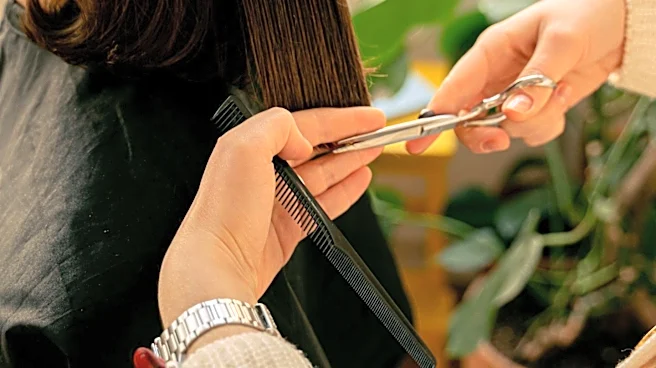
The first and most significant point of division is the user. A professional hairstylist has needs that are wildly different from someone styling their own hair at home. A stylist working in a salon requires
a durable workhorse that can withstand being used on multiple clients a day, seven days a week. They need a tool that heats up almost instantly and maintains a consistently high temperature for efficiency. This is why many pros gravitate towards titanium irons, which are known for their rapid heat-up time and durability. For an at-home user, however, those same features can be a liability. Ultra-high heat increases the risk of damage, and a tool built for speed might lack the user-friendly safety features that prevent accidental burns or fried hair. A home user's priority is often safety, ease of use, and achieving a good result without needing a cosmetology license.
The Great Plate Debate: Ceramic vs. Titanium
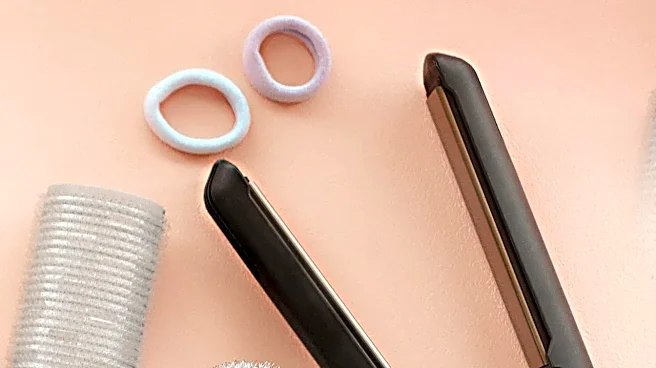
This is the technical core of the disagreement. There is no single “best” plate material; there's only the best material for a specific hair type and user skill level. Ceramic plates are praised for providing gentle, even heat, which makes them a safer choice for fine, fragile, or color-treated hair. They glide smoothly and reduce the risk of creating damaging “hot spots.” Titanium plates, on the other hand, are champions of speed and power. They transfer heat faster and can reach higher temperatures, making them incredibly effective on thick, coarse, or resistant hair that doesn’t respond well to lower heat. A stylist might love titanium for its ability to smooth stubborn hair in a single pass, while simultaneously recommending ceramic for a client with fine hair to use at home.
The X-Factor: Tourmaline and Ionic Technology
Just when you think you’ve got it figured out, technology adds another layer. Tourmaline is a crushed mineral that’s often infused into ceramic or titanium plates. When heated, it releases negative ions, which help to counteract the positive ions in dry or damaged hair that cause frizz. The result is a smoother, shinier finish. This isn't just marketing fluff; the ionic effect genuinely helps seal the hair cuticle. So, you'll see stylists debating ceramic vs. titanium, while others argue that a tourmaline-infused plate is the real game-changer for frizz-prone clients. This adds yet another variable, making a simple one-to-one comparison difficult.
The Price Tag Puzzle: Is Expensive Always Better?
In the world of hair tools, a higher price often correlates with better materials, more durable construction, and more consistent heat regulation. Cheaper irons might use ceramic-coated metal plates that can wear down, leading to uneven heating and snagging. However, stylists know that the most expensive tool isn't always the right answer for every person. A $250 professional iron might be overkill for someone who only straightens their bangs once a week. The disagreement here isn’t whether quality costs more—it generally does—but how much quality an average person actually needs to pay for. Some stylists will argue that investing in a high-end iron is the best way to protect your hair, while others will point to reliable, mid-range ceramic models as the smarter buy for most consumers.
The Unspoken Influence: Partnerships and Personal Bias
Finally, it’s important to acknowledge the human element. Like in any industry, brand loyalty and partnerships can shape recommendations. A stylist who has used a certain brand for a decade and loves the results will naturally recommend it. Others may have formal relationships with brands, which can influence what they promote in their salon or on social media. This doesn't necessarily mean their advice is bad—they likely wouldn't partner with a brand they didn't trust—but it does help explain why you might hear different, passionate recommendations for competing products. Each stylist is speaking from their own unique combination of professional experience, client needs, and brand affinities.