






The Cannes Standard: Cinematic Glamour
The Cannes Film Festival red carpet is the undisputed heavyweight champion of classic Hollywood opulence, just relocated to the French Riviera. The assignment is clear: look like a movie star. The aesthetic is glossy, expensive, and aspirational. Think
Bella Hadid in vintage Chanel, Anne Hathaway in custom Armani Privé, or Anya Taylor-Joy serving pure, untouchable screen siren. The fashion is meant to feel both effortless and monumental, like a moving portrait. It’s about reinforcing the wearer’s status as a global film icon. The clothes are often beautiful, but they serve the celebrity, enhancing a pre-existing aura of stardom. It’s a spectacular, high-stakes game of cinematic perfection, where the goal is to look like you were born to be captured on film.
Defining “Archival Dior” Energy
So what does “Archival Dior Energy” even mean? It’s less about the label and more about a specific feeling. It’s a nod to the theatrical, character-driven drama of John Galliano’s tenure at Dior in the late ‘90s and early 2000s. Those collections weren’t just clothes; they were narratives. They were built on historical references, exaggerated silhouettes, and a sense that the model was playing a role. This energy is about fashion as performance. It favors bold structure over simple elegance, storytelling over passive beauty. It’s a look that has something to say—a character to embody, a scene to steal. It’s not about blending in; it’s about making an entrance and telling a story before you’ve even said a word. This is the spirit that permeates the Tony Awards.
The Tonys Take the Stage
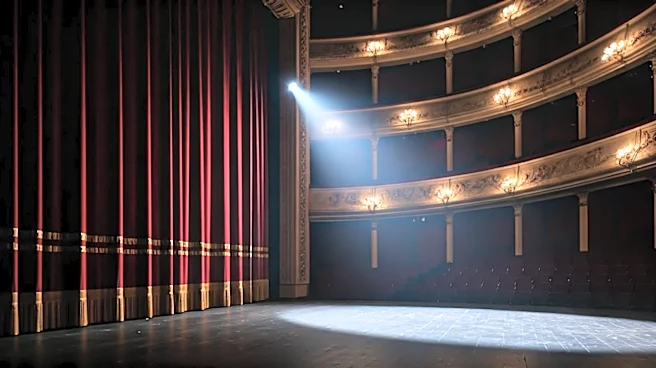
Unlike their film-focused counterparts, Tony nominees are stage performers. They spend eight shows a week physically and emotionally transforming in front of a live audience. Their relationship with costume, character, and drama is their entire craft. This sensibility bleeds onto the red carpet. Look at recent years: Sarah Paulson in a voluminous, almost sculptural sequined gown; Jessica Chastain in a vibrant, draped Gucci that felt like a modern interpretation of a goddess; Ariana DeBose in a custom look that played with angular, high-drama cutouts. These aren’t just pretty dresses. They are statements. They have structure, attitude, and a point of view. The stars aren't just wearing a designer; they’re collaborating on a character for the night. The fashion choices are often bolder, more architectural, and less concerned with conventional prettiness than what we see at other awards shows.
A Tale of Two Industries
Ultimately, the difference in style reflects the difference in the art forms being celebrated. Film is a medium of carefully constructed perfection, edited and polished for the screen. Cannes fashion mirrors this, presenting a flawless, almost untouchable image of stardom. Theater, on the other hand, is live, raw, and immediate. It’s about the energy exchanged between performer and audience in a shared space. Tony Awards fashion captures that electricity. It’s more willing to be weird, challenging, and overtly theatrical because the people wearing it are masters of inhabiting a character. The Cannes celebrity is a pristine icon; the Tonys star is a dedicated craftsperson who understands the power of a costume. One is a still life, the other is a live performance.