









The Divine Warning
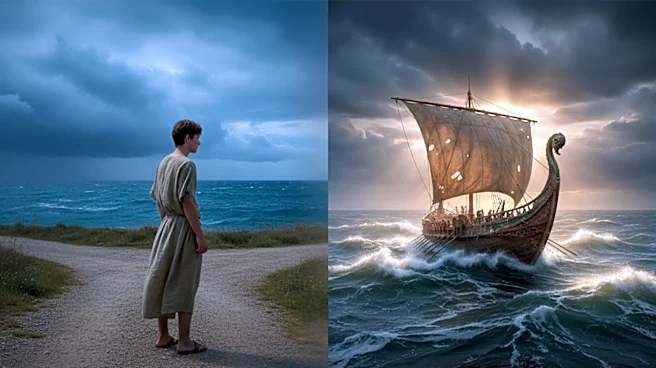
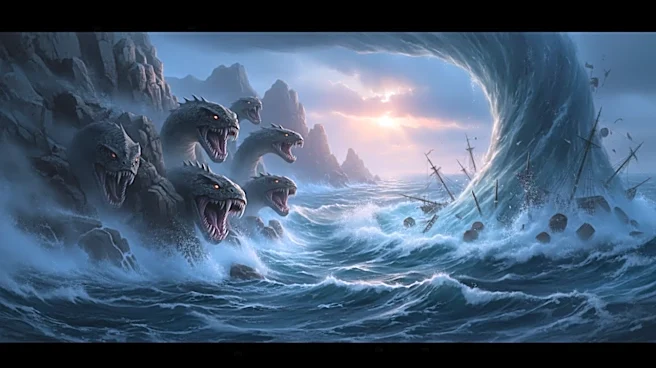
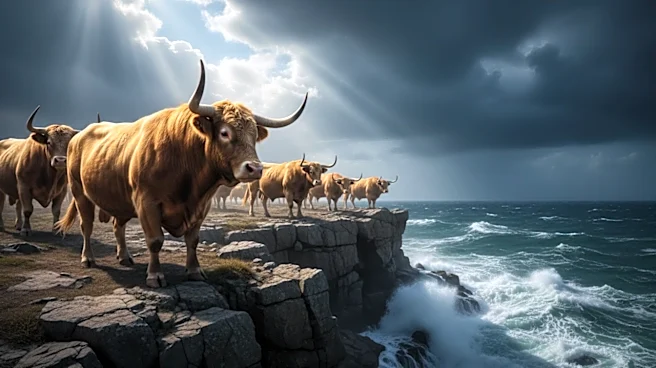
By the time Odysseus and his crew reached Thrinacia, the island of the sun god Helios, they were already ghosts of their former selves. They had survived the Trojan War, faced monsters, and navigated treacherous seas. They had also been explicitly warned,
twice, by the prophet Tiresias and the sorceress Circe: do not, under any circumstances, harm the sacred cattle that graze here. The consequences, they were told, would be total destruction for the ship and crew. Odysseus, understanding the gravity of the prophecy, relayed the orders. For a time, his men complied, subsisting on the food and wine they had left. The command was clear, the stakes were absolute, and the leader had set the boundary. But leadership is more than just giving orders.
A Leader Asleep at the Wheel
The crew's discipline began to fray when bad weather trapped them on the island for a month. Their rations disappeared, and the specter of starvation replaced their fear of the gods. It was in this critical moment that Odysseus’s leadership faltered. Exhausted, he went inland to pray to the gods for deliverance, and there, he fell asleep. His absence created a power vacuum at the worst possible time. A leader’s authority is not a fixed object; it is a presence. By removing himself from his men at their moment of greatest weakness, Odysseus inadvertently signaled that the rules were negotiable. He was no longer there to embody the authority of his own command, leaving his desperate crew vulnerable to the most persuasive voice in their midst.
The Logic of a Mutiny
That voice belonged to Eurylochus, Odysseus’s second-in-command. He gathered the starving men and offered them a seductive, if flawed, piece of logic. A slow, miserable death by starvation, he argued, was the worst possible fate for a warrior. A swift, divine punishment for slaughtering the cattle was, by comparison, a more honorable and less certain end. He reframed a direct act of sacrilege as a calculated risk—a choice between a guaranteed bad death and a potential one. His argument was powerful because it spoke directly to the crew's immediate suffering, overriding the abstract, future threat of a god’s anger. The men, demoralized and hungry, agreed. They chose the immediate gratification of a full belly over obedience to a distant commander and his divine warnings.
The Ultimate Price of Disobedience
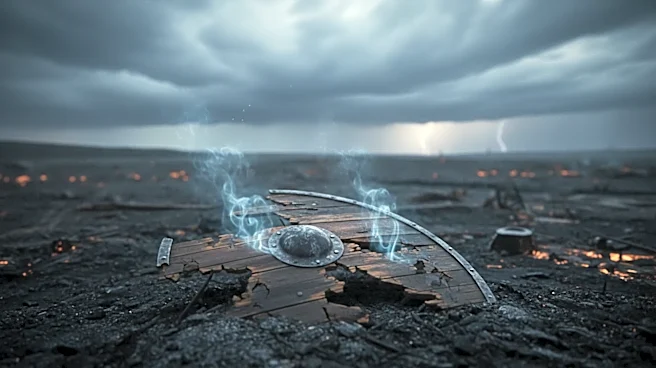
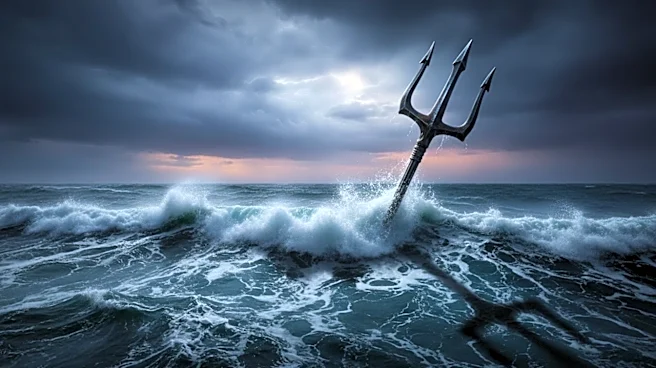
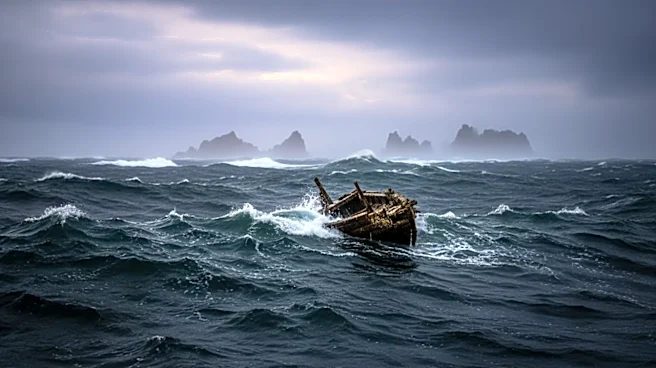
Odysseus awoke to the smell of cooking meat and knew immediately that all was lost. The act was done. After the crew feasted for days, they finally set sail when the winds turned favorable. But their reprieve was short-lived. Enraged, Helios demanded retribution from Zeus, who promised to deliver it. A furious storm descended, and a single thunderbolt from Zeus shattered the ship, casting all the men into the sea to drown. As prophesied, every man who had disobeyed the order perished. Only Odysseus, who had not partaken in the forbidden feast, survived, left to drift alone on the wreckage. The total loss of his crew was the direct and catastrophic cost of a single, crucial leadership failure. He gave the right order, but he failed to manage the human factors—fear, hunger, and despair—that led his men to defy it.