



1. You Only Remember the Highlight Reel
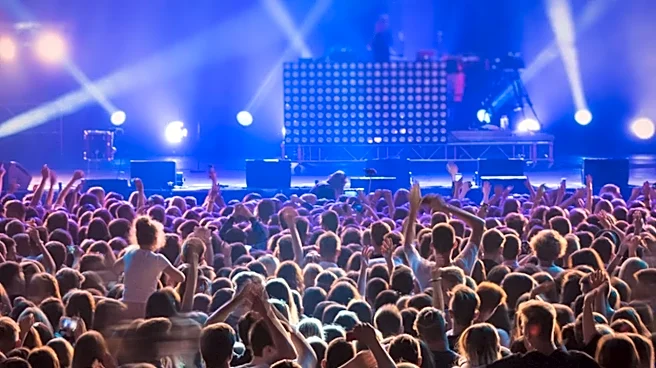
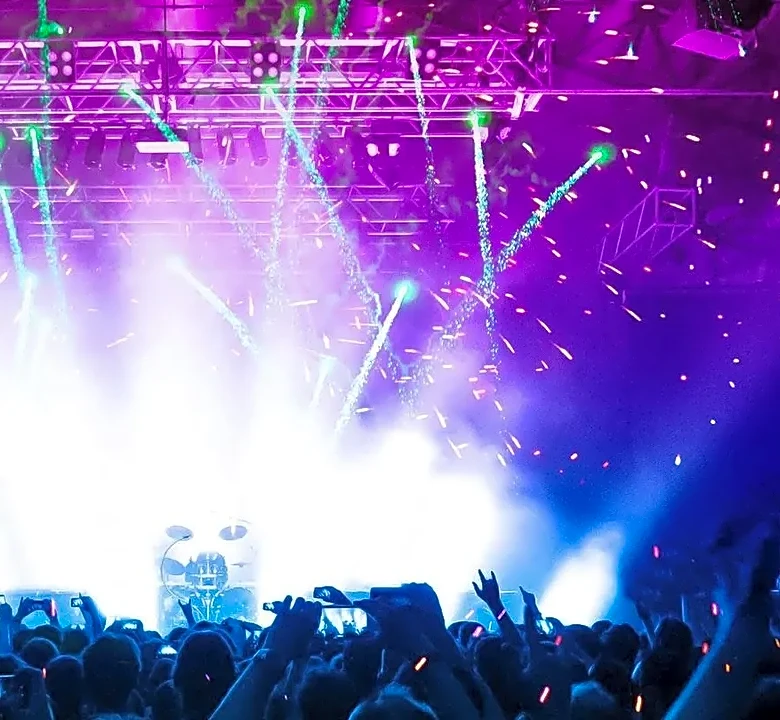
Our brains have a funny habit of creating a mental highlight reel, a phenomenon psychologists call "rosy retrospection." We recall the peak moments—the headliner’s epic encore, the sunset over the main stage—with crystal clarity. What fades away are the hours
spent waiting in line for warm water, the overpriced food, the sunburn, and the long, silent walks back to a distant campsite. Memory isn't a perfect recording; it's a curated story that systematically enhances the good while filtering out the mundane or unpleasant parts.
2. Social Media Creates a Flawless Alternate Reality
Before you even have a chance to form your own memories, they’re being shaped by what you post. Your Instagram feed isn't a documentary of your Coachella or Lollapalooza experience; it’s a carefully selected portfolio of joy. You post the smiling group shot, not the argument over where to stand. This curated reality doesn't just influence how others see the event; it actively replaces your own, more complicated memories. Years later, you’ll look at those photos and remember the flawless version you created, not the messy, human one you actually lived.
3. The Myth of the 'Legendary' Performance
Was that band’s set truly a once-in-a-lifetime performance, or has its legend grown over time? Collective memory plays a huge role here. When thousands of people decide an event was historic, that narrative becomes incredibly powerful, sometimes overriding individual, more lukewarm experiences. A pretty good set can become “legendary” through cultural retelling. Conversely, truly disastrous moments, like the chaos of Woodstock '99, are often remembered more for the mayhem than for any specific musical performance. The story we tell together often becomes more important than what we saw with our own eyes.
4. You Forget the Sheer Physical Discomfort
Festivals are endurance tests disguised as parties. Yet, when we look back, we tend to forget the physical misery. The throbbing blisters from dancing in inadequate shoes, the grit of dust in your teeth, the shocking state of the portable toilets by day three—these visceral details are among the first casualties of nostalgic memory. Our minds prioritize the emotional highs over the physical lows. While you were there, you might have sworn you'd never sleep in a hot tent again, but a year later, all you remember is the music.
5. 'Rosy Retrospection' Paints It Perfect
The psychological bias known as rosy retrospection ensures we recall the past more positively than we actually experienced it at the time. This isn't just about forgetting bad things; the brain actively upgrades the emotional quality of the memory. That weekend that felt like a mixed bag of fun and frustration might be recalled a year later as purely magical. This bias serves a purpose, boosting our self-esteem and encouraging us to repeat experiences, but it's a distortion of reality nonetheless.
6. The Post-Festival Documentary Rewrites Your Brain
Your memory of an event is vulnerable to being overwritten. The explosion of festival documentaries, from the celebratory depiction of Woodstock '69 to the disaster chronicles of Fyre Festival and Woodstock '99, shapes our collective understanding. If a documentary frames an event in a certain way, its narrative—complete with curated footage and talking heads—can implant itself in your mind, replacing or coloring your firsthand perspective. You may start to remember the event through the film's lens, adopting its conclusions as your own.
7. The 'I Was There' Status Boost
Sometimes, we don’t just remember an event; we polish it for social currency. Being able to say “I was at the first Coachella” or “I saw that legendary Daft Punk set” comes with a certain cultural cachet. This can subconsciously motivate us to exaggerate how profound or amazing the experience was. The memory becomes less about the actual event and more about our role as a witness to history. The act of telling the story over and over again solidifies the embellished version as our official memory.
8. You Conveniently Forget the Cost
Let’s be honest: festivals are outrageously expensive. From the initial ticket price to travel, lodging, $15 waters, and mediocre food, the financial toll is significant. But when we’re basking in the warm glow of nostalgia, the sticker shock fades. We remember the feeling of community and the music, but conveniently get amnesia about the small fortune we spent to be there. This “cost amnesia” is what allows us to justify doing it all over again next year.
9. Shared Misery Becomes a Bonding Experience
Sometimes, the worst parts of a festival become the best stories. Being stranded in a thunderstorm, getting lost, or surviving a truly awful opening act can transform from a miserable experience into a hilarious, character-building memory when shared with friends. The suffering becomes a badge of honor and a cornerstone of the group’s bond. In this narrative flip, the negative aspects aren't erased; they're reframed as essential, even fun, parts of the adventure you all survived together.