

The Science of 'Flashback'
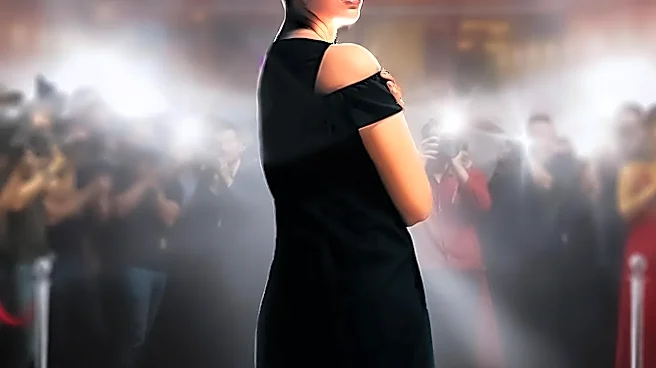
You’ve seen it on social media or maybe even in your own photos: a perfectly applied face of makeup that suddenly shows stark, white patches under the eyes or across the T-zone in a flash photo. This phenomenon, known as “flashback,” is the ultimate enemy
of a red carpet look. It’s caused by ingredients that reflect light. The main culprits are minerals like zinc oxide and titanium dioxide, commonly found in products with SPF. These ingredients are designed to physically bounce sunlight away from your skin to protect it, and they do the exact same thing with the intense burst of a camera’s flash. Another common cause is silica, a key ingredient in many “HD” or finishing powders, which can also scatter light aggressively and create that dreaded ghostly glow.
The SPF and HD Powder Trap
For everyday life, wearing a foundation or moisturizer with SPF is a non-negotiable step for skin health. On the red carpet, however, it's a calculated risk. Celebrity makeup artists are extremely cautious with SPF-infused products for evening events where flash photography is guaranteed. They know that the same ingredients protecting their clients from UV rays can ruin a multi-million dollar shot. Similarly, the trend of “baking”—letting a thick layer of translucent powder sit on the skin to set concealer—is avoided. Many popular setting powders, especially those labeled “HD,” are high in silica. While they create a soft-focus, pore-blurring effect in person or on video, they are notorious for causing flashback under direct flash. For camera-facing events, pros will opt for finely milled, tinted powders or avoid silica-heavy formulas altogether.
It's All About Strategic Application
The professional secret isn't just about avoiding certain products, but about technique. Instead of applying one heavy layer of foundation, artists build coverage in multiple thin layers, blending meticulously with a damp sponge or brush. This ensures the product becomes one with the skin, reducing the chance of any single area being too concentrated with reflective particles. Powder is applied strategically, not universally. A light dusting with a fluffy brush is often used just in the T-zone to control shine, rather than packing it all over the face. Some artists even use a setting spray before foundation to give the base something to grip, enhancing longevity without adding heavy powder on top. Blending is paramount; pros spend extra time ensuring there are no harsh lines, especially around the jawline and under the eyes, as unblended makeup can catch the light unevenly.
Controlling Shine, Not Erasing It
A common misconception is that a photo-ready face must be completely matte. In reality, a totally flat look can appear dull and lifeless on camera. The goal is to control unwanted shine, not eliminate all glow. Artists often start with a mattifying primer only in oily areas like the forehead, nose, and chin. Then, they use foundations with a “satin” or “natural” finish rather than something overly dewy or flat matte. The glow you see on celebrities is often deliberate and strategically placed. Instead of shimmery powders, which can look greasy under flash, many artists prefer cream or liquid highlighters tapped onto the high points of the face, like the cheekbones and brow bone. This creates a luminous effect that appears to come from within the skin, not from a product sitting on top of it.
The Final Test Is Non-Negotiable
No makeup artist lets a client walk onto the red carpet without performing one final, crucial check: taking a photo with the flash on. This simple step is the only way to know for sure if the combination of skincare, foundation, concealer, and powder will cause flashback. It allows the artist to spot any potential white casts or overly shiny areas and correct them before the cameras start flashing. They can then go back and gently buff away excess powder or add a light layer of a tinted powder to counteract any reflective properties. This is why even with the best products and techniques, the pre-carpet photoshoot is a vital part of ensuring every celebrity looks as flawless in photos as they do in person.