



Wardrobe as a Narrative Weapon
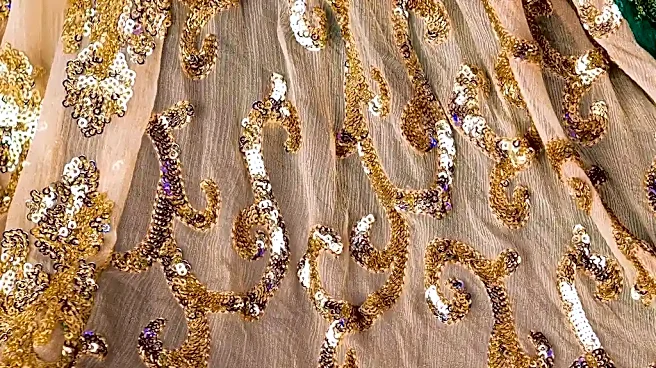
Before a character ever says a word, their costume has already told you who they are, where they come from, and what they want. A well-designed wardrobe is a narrative weapon, deploying color, texture, and silhouette to build a world and define a personality.
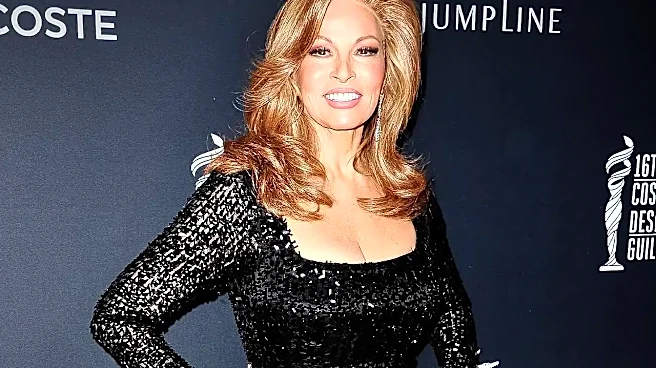
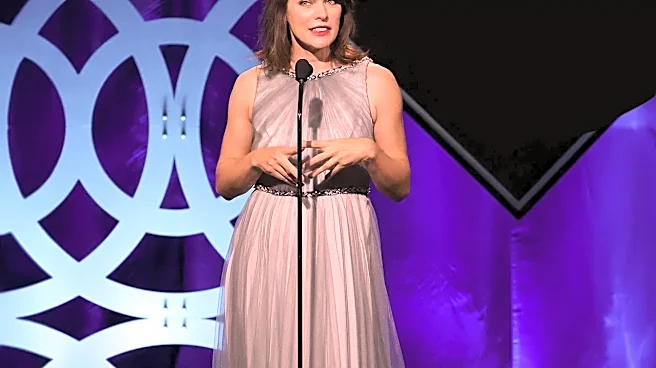
It’s the difference between an actor simply wearing clothes and an actor fully inhabiting a character. This weekend’s Creative Arts Emmy Awards celebrated this very artistry, and the winning and nominated designers are the unsung heroes of some of television’s most memorable figures. When a show gets that gold statue, it’s not just for the designer; it’s a validation of the deep character work that fans connect with so fiercely, prompting an irresistible urge to re-watch and catch the details you missed the first time.
Decoding History in Every Thread
Shows nominated in the Outstanding Period Costumes category, like HBO's "The Gilded Age," are masterclasses in historical storytelling. The designers on these series aren't just sewing dresses; they're resurrecting an era. For "The Gilded Age," the stark contrast between old-money families and the nouveau riche isn't just in the script—it's in the bustles, the fabrics, and the opulence of their gowns. An Emmy nod in this category acknowledges the painstaking research that goes into sourcing historically accurate materials and understanding the social codes of the time. For fans, it’s an invitation to look closer. A re-watch transforms from passive viewing into a treasure hunt, noticing how a character's shifting social status is mirrored in the richness of her attire, or how a subtle change in style telegraphs a rebellious spirit.
The Power of a Contemporary Uniform
It’s one thing to create a stunning 19th-century ballgown, but it’s another to make a modern-day coat iconic. This is the challenge for nominees in the Outstanding Contemporary Costumes category. Shows like Hulu’s "Only Murders in the Building" excel at this, creating distinct visual identities for their characters out of everyday clothing. Selena Gomez's character Mabel Mora has a wardrobe that has launched a thousand articles and fan homages, with her colorful sweaters and sharp coats becoming synonymous with her personality. The Emmy spotlight on contemporary design reminds us that these choices are just as deliberate as in any period piece. A character's favorite hoodie or well-worn boots can convey a sense of comfort, defiance, or vulnerability, making them feel real, relatable, and someone whose style fans want to emulate.
Building Worlds, One Costume at a Time
Perhaps nowhere is costume design more crucial than in the fantasy and sci-fi genres. For shows like Prime Video’s "Fallout," nominated for its incredible designs, costumes do more than just dress characters—they build entire civilizations. The iconic blue and yellow jumpsuits of the vault dwellers aren't just outfits; they are symbols of a specific, sheltered existence, instantly recognizable to anyone familiar with the video game universe. The award recognition for shows like this honors the designer's ability to translate lore into tangible garments. This makes fans want to dive back into the world, to pause on a scene and examine the makeshift armor of a wasteland scavenger or the pristine uniform of a faction soldier, appreciating how every stitch contributes to the believability of an unbelievable world.