


The Pinnacle of Formality
First, let's set the stage. White-tie is not just a fancier black-tie. It's the most formal dress code in Western fashion, reserved for state dinners, royal banquets, and ultra-prestigious galas. It signifies an event steeped in tradition and heritage,
where every detail matters. For women, this means a floor-length evening gown, and for men, a black tailcoat with a white waistcoat and bow tie. Because the occasion is so structured, the beauty standards are equally specific. The goal is not to stand out with a trendy look, but to contribute to an atmosphere of timeless, collective elegance. Your hair and makeup should complete the portrait of formality, not distract from it.
Hairstyles: The Art of the Updo
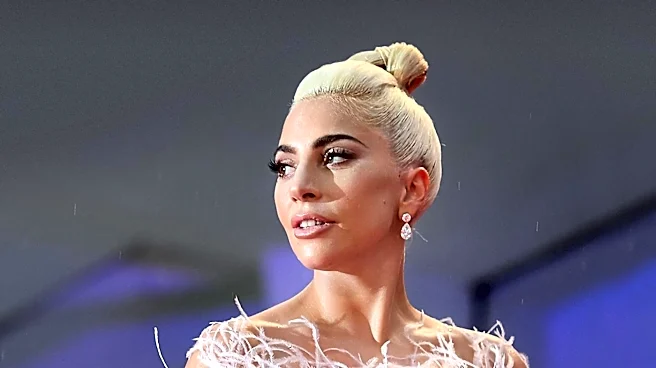
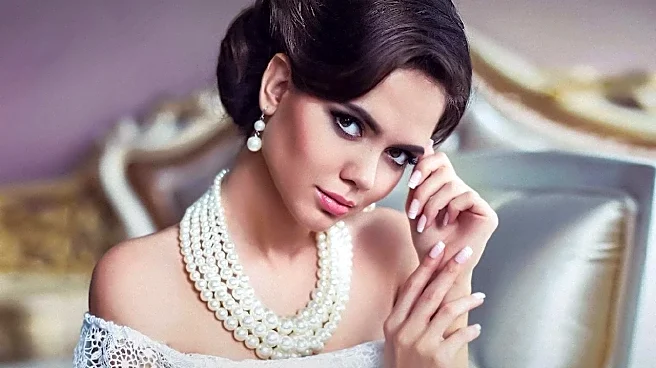
For white-tie hair, one rule reigns supreme: it must be up. An updo is considered traditional and practical, especially when wearing statement necklaces or the evening gloves that often accompany white-tie attire. It creates a clean, elegant line, showcasing the neck and shoulders and allowing the gown’s details to shine. Classic choices include polished chignons resting at the nape of the neck, elegant French twists, and other structured buns. While a simple, sleek bun is always appropriate, intricate braided updos can also work, offering a blend of elegance and creativity. The key is that the style looks intentional, polished, and secure. This isn't the time for beachy waves or a casual half-up style; the hair should have a statuesque quality that matches the grandeur of the event.
Makeup: Polished, Not Painted
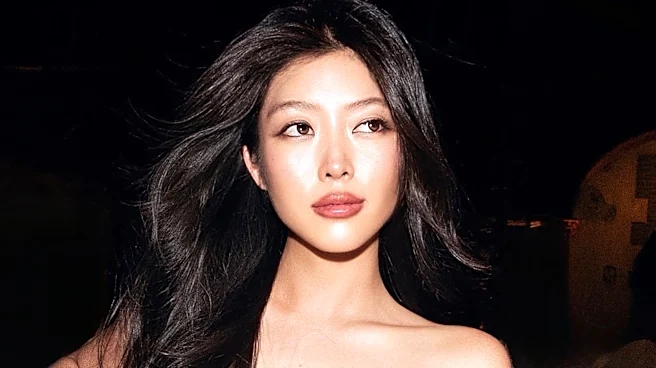
White-tie makeup is a masterclass in subtlety and perfection. The objective is to look flawless, refined, and utterly polished—never overdone. It's about enhancing your features, not masking them. A perfect base is crucial, starting with well-prepped skin to create a smooth canvas for a long-lasting foundation. Eyes should be defined but not overly dramatic; a soft smoky eye in neutral tones or a crisp, classic eyeliner works well. While glitter or bold colors might suit other parties, they are generally avoided here. The focus should be on one feature. If you opt for a classic red lip, keep the eye makeup more subdued. Alternatively, a defined eye pairs beautifully with a neutral, sophisticated nude lip. The overall effect should be one of glowing health and quiet confidence, a look that will hold up under the soft lighting of a ballroom and in photographs.
Putting It All Together: The Icons
To truly understand the aesthetic, look to the high-wattage events where white-tie is the standard, like certain years of the Met Gala or royal state dinners. At these events, you see the rules in action. You'll notice attendees with their hair swept elegantly away from their faces, whether in a simple, perfectly executed chignon or a more complex twist. Their skin glows, their eyes are beautifully defined, and their lips are colored in timeless shades of red or nude. Jewels are often a key part of the look, and the understated hair and makeup provide the perfect backdrop for a statement necklace or dazzling earrings to take center stage without creating a look that feels too busy or competitive.
Modern Whispers in a Traditional Room
While white-tie is rooted in strict tradition, there is minimal room for modern interpretation. The 'rules' are less of a suggestion and more of a requirement. However, that doesn't mean personal style is entirely erased. A modern touch might come through in the specific execution—a slightly more architectural updo, or a perfectly applied liquid lipstick in a classic shade. The core principles, however, remain unchanged. The hair is up, the makeup is refined, and the overall look is one of enduring elegance. Breaking the code too much doesn't read as fashion-forward; in this specific context, it simply reads as not understanding the assignment.