




Underlining: The Secret to Structure and Support
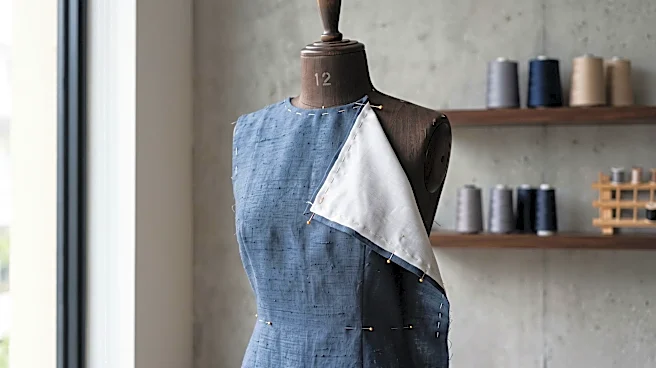
Think of underlining as a garment's best friend. It’s a support layer that’s attached directly to the back of each fabric piece before you sew the garment together. The two layers—your main 'fashion fabric' and the underlining fabric—are treated as a single
piece of cloth throughout construction. This method isn't about hiding seams or making the inside pretty; in fact, the seam allowances are still visible on the inside and require finishing. Instead, underlining is all about solving structural problems. Its primary job is to give the main fabric new properties. It can add body to flimsy materials, stabilize loosely woven fabrics like tweeds, or add opacity to sheer fabrics like chiffon to prevent them from being see-through. It also dramatically reduces wrinkling and prevents the fabric from stretching or bagging out in high-stress areas like the seat of pants or skirts.
When to Choose Underlining
You'll want to reach for underlining when the fabric itself is the problem. Is your silk too delicate? Is your lace too sheer? Is your lightweight wool too drapey for the tailored jacket you envision? Underlining is the answer. For couture or high-end techniques, an underlining provides a hidden layer to anchor hand-stitching, so stitches for hems or tacking down facings are invisible from the outside of the garment. It also provides a sturdy base for details like welt pockets. The choice of underlining fabric is crucial; it should generally be the same weight or lighter than your main fabric. Silk organza is prized for adding crisp body without weight, while cotton batiste is a soft, all-purpose choice, and flannel can be used to add warmth or a softer feel.
Lining: The Key to a Flawless Finish
If underlining is about structure, lining is all about the finish. A lining is essentially a separate, lightweight version of the garment that's constructed on its own and then sewn to the inside of the main garment, usually attached at the necklines, armholes, or waistband. Unlike underlining, it hangs freely inside the clothing, especially at the hem. A lining's job is to solve problems related to comfort and appearance. It conceals all the 'guts' of the garment—the seams, interfacing, and raw edges—for a clean, professional look on the inside. It also creates a smooth, slick barrier between the garment and your body, which makes jackets and coats easy to slide on and off and prevents dresses and skirts from clinging. This function also extends the life of the garment by protecting the main fabric from body oils and perspiration.
When to Choose a Lining
A lining is your go-to solution when you need to improve the wearing experience of a garment. If you're using a scratchy fabric like wool, a soft lining is essential for comfort against the skin. For tailored blazers, coats, and suit pants, a slippery lining is non-negotiable for ensuring the garment glides over other clothes. A lining also helps a garment maintain its shape and hang beautifully by reducing friction. In many cases, a well-made garment will have both an underlining and a lining. The underlining provides the necessary structure and support to the fashion fabric, while the lining is added to cover all the interior construction and provide a comfortable, luxurious finish. This combination represents the gold standard in high-quality garment construction.