





More Than a Model, a Performer
There's a fundamental difference in how a stage actor approaches a red carpet. Unlike many film stars, whose on-screen work can be subtle and internal, Broadway performers live and breathe physicality. They spend eight shows a week commanding a stage,
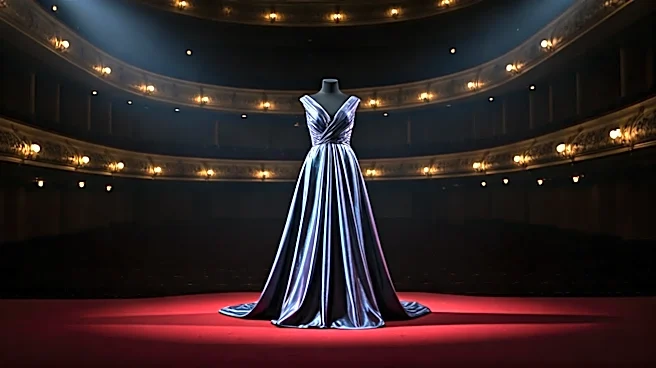
using their bodies to convey emotion across a theater. This training translates directly to how they wear clothes. When a Broadway veteran like Audra McDonald arrives in a sweeping gown, she doesn't just stand in it; she inhabits it with a posture and presence honed over decades. They understand how fabric moves, how a silhouette can command space, and how an outfit can become a tool of expression. The garment isn’t just hanging on them; it’s an active partner in the performance of the evening.
A Nod to the Nominated Role
One of the most compelling aspects of Tony Awards fashion is the way actors often pay homage to their nominated roles. It’s a sartorial Easter egg for the theater-loving audience. A star from a period drama might choose a gown with a vintage silhouette or intricate beadwork reminiscent of their show's costumes. Someone from a high-energy, contemporary musical might opt for bold, saturated colors and a modern, dynamic cut. When Joaquina Kalukango won for her powerhouse role in “Paradise Square,” her regal, structured gowns echoed her character's strength. This isn't just dressing up; it’s a form of method dressing for the red carpet. It closes the loop between the character on stage and the artist being celebrated, making the fashion choice feel deeply personal and contextually rich.
Embracing the Power of Theatricality
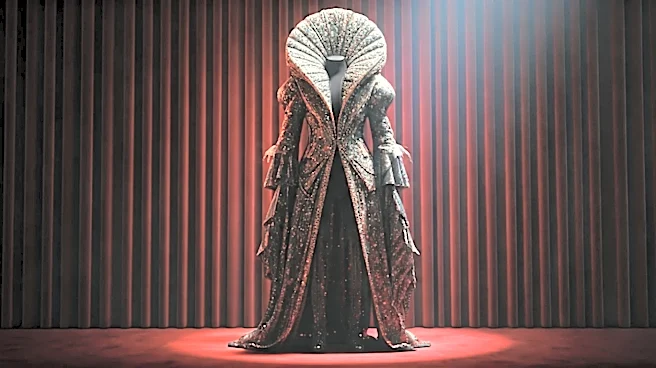
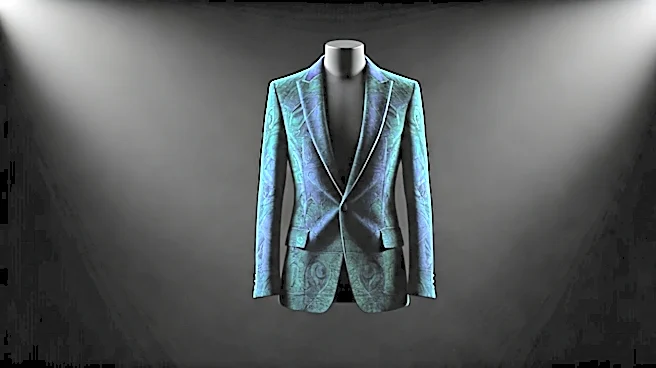
While other major red carpets often reward safe, commercially beautiful choices, the Tonys provide a space for glorious, unapologetic theatricality. This is an industry that celebrates spectacle. Big emotions, big voices, and big sets are the currency of Broadway, so why should the red carpet be any different? This is the environment that made Billy Porter’s 2019 tuxedo gown an iconic cultural moment rather than just an outlier. The look was dramatic, gender-bending, and a masterclass in personal branding, and it felt perfectly at home at the Tonys. The event’s DNA allows for more volume, more drama, and more risk. An architectural gown, an avant-garde suit, or a riot of color doesn't feel like a cry for attention; it feels like a fitting tribute to the art form being honored.
The Insider's Red Carpet
Ultimately, the Tonys red carpet is different because the community is different. It’s smaller, more intimate, and more collegial than the sprawling machine of Hollywood. Many of these performers have worked together, trained together, and competed for the same roles for years. This creates a vibe that is less about cutthroat competition and more about a shared celebration. The pressure to conform to a specific, marketable Hollywood ideal is lessened. Instead, there’s freedom to collaborate with designers on a look that feels authentic and creative. It’s a dialogue between artist and couturier that prioritizes a unique story over a simple brand ambassadorship, resulting in fashion that is often more interesting, more personal, and far more memorable.