






The On-Field Coach
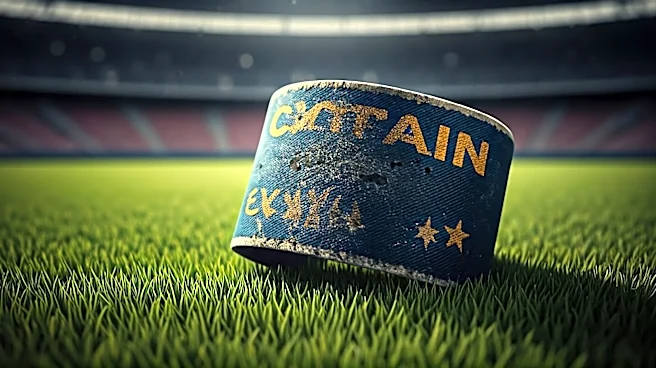
The roar of the crowd is deafening. The coach’s instructions from the sideline are a distant memory. This is where the defensive captain earns their keep. They are the team’s on-field coach, a walking, talking extension of the game plan. A captain’s primary
job is communication—not just shouting, but conducting an orchestra in the chaos. They are constantly scanning, pointing, and directing, ensuring every player knows their assignment. They organize the defensive shape, telling a fullback to tuck in, a midfielder to track a runner, or the entire line to step up in unison to catch an opponent offside. This constant stream of information prevents the small positional errors that lead to big chances for the opposition. Greats of the game like Italy's Fabio Cannavaro and Paolo Maldini were masters of this, their leadership turning solid backlines into impenetrable fortresses.
The Tactical Interpreter
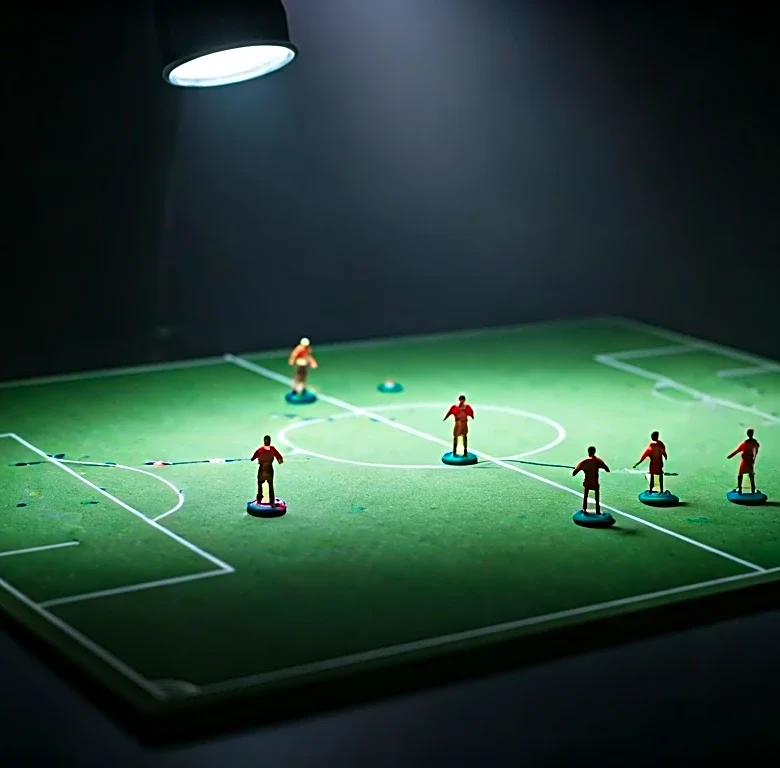
A game plan is a beautiful thing on a whiteboard, but it rarely survives first contact with the opponent. Formations shift, star players find new pockets of space, and momentum swings. The defensive captain’s job is to interpret these changes in real time and make adjustments. While the coach might see the problem from afar, the captain on the field feels it. They are the liaison between the coach's strategy and the players' reality. If an opponent is exploiting an overload on one side, the captain might direct a midfielder to provide extra cover or adjust the backline’s positioning, often without waiting for a stoppage in play. They have to possess a deep knowledge of the game to recognize patterns and solve problems on the fly, essentially serving as the team's strategic nerve center.
The Team's Psychologist
A long tournament run is a psychological marathon. Pressure mounts, fatigue sets in, and a single mistake can feel catastrophic. The defensive captain is often the team’s resident psychologist, responsible for managing the emotional temperature of the squad. When a younger player makes a mistake, the captain is the first one to offer encouragement, preventing a single error from spiraling into a crisis of confidence. When the referee makes a controversial call, they are the ones to calmly manage the situation, keeping their teammates from losing their cool and picking up needless yellow cards. They lead by example, showing relentless competitiveness and resilience. A captain like Roy Keane was famous for demanding the highest standards, his intensity lifting the entire team. This mental fortitude is contagious and is a key ingredient in navigating the knockout stages.
The Bridge Between Everyone
A captain's influence extends far beyond the 90 minutes of play. They are the crucial link between the players, the coaching staff, and even the officials. Off the pitch, they foster a sense of unity, ensuring that every player feels valued and included. They might organize team dinners, mediate minor disputes in the locker room, or simply check in on a teammate who seems down. They also serve as the players' representative to the coaches, providing feedback on everything from training intensity to team morale. This trust allows for open communication, which is vital for a team to adapt and grow over the course of a tournament. By being the ultimate teammate, they build the camaraderie that is essential for a group to fight for a common goal.