







Welcome to 'Dallas Stadium'
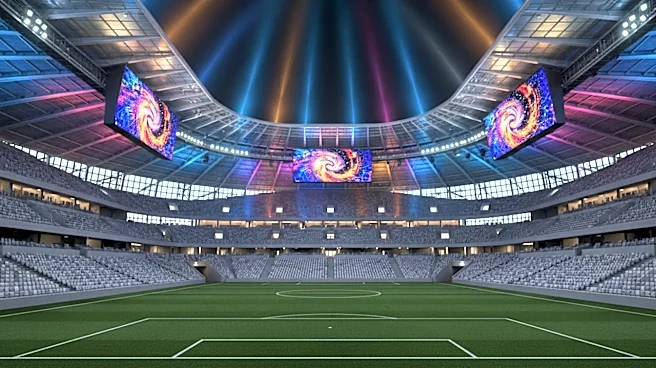
When the 2026 FIFA World Cup kicks off, millions of American fans will watch games in familiar cathedrals of sport. But the names on their screens and tickets might be bafflingly generic. AT&T Stadium, the Dallas Cowboys' colossal home known as 'Jerry
World', will be officially called 'Dallas Stadium'. In New Jersey, MetLife Stadium, host of the final, will become 'New York/New Jersey Stadium'. And out west, the futuristic SoFi Stadium will be blandly rebranded as 'Los Angeles Stadium'. This isn't a mistake; it's a deliberate, and controversial, policy from soccer's global governing body.
FIFA's 'Clean Venue' Doctrine
This sweeping identity shift is thanks to FIFA’s “clean stadium” or “clean zone” policy. The rule is simple: during the World Cup, no venue can display commercial branding that isn't an official FIFA sponsor. The organization is set to generate nearly $2 billion from marketing rights, and it fiercely protects the exclusivity of its top-tier partners—brands like Coca-Cola, Adidas, and Visa. Allowing the names of stadium sponsors like AT&T, MetLife, or SoFi to appear would be 'ambush marketing', diluting the value of the massive checks FIFA's official partners have written. So, for the tournament's duration, 14 of the 16 host venues across North America must cover up or remove any unsanctioned corporate identity.
More Than Just a Name
To many fans, this feels like more than a simple business decision; it feels like the erasure of local identity. American sports culture is deeply intertwined with corporate naming rights. These stadium names, for better or worse, become part of the local lexicon and fan culture. The generic, geographically assigned names imposed by FIFA can feel jarring and disrespectful. For example, 'Dallas Stadium' is actually in Arlington, and 'New York/New Jersey Stadium' is, as any local will tell you, firmly in New Jersey. The policy also goes to painstaking extremes. At Gillette Stadium, temporarily 'Boston Stadium', workers had to cover the small Gillette logo on every single one of the venue's 64,000+ seats with tape. At MetLife Stadium, FIFA reportedly requested that 82,000 branded cupholders be taped over, a demand the host committee pushed back on due to cost and logistics.
The Price of a Global Party
While stadium sponsors are temporarily sidelined, they are not powerless. Some have leaned into the absurdity. When Levi's Stadium became 'San Francisco Bay Area Stadium', the denim brand cleverly changed its social media profile picture to a redacted version of its logo, creating buzz from the very restriction meant to silence it. But for the most part, host cities and stadium owners accept this as the cost of admission for hosting the planet’s most-watched event. They've signed contracts agreeing to turn over their venues to FIFA, “free and clear” of existing commercial branding. It's a fascinating clash: the global, hyper-commercialized machine of FIFA versus the unique, corporate-sponsored identities of American sports venues. For a few weeks, globalism wins, and local landmarks become anonymous backdrops for a worldwide spectacle.