







The Allure and Trap of the Statement Piece
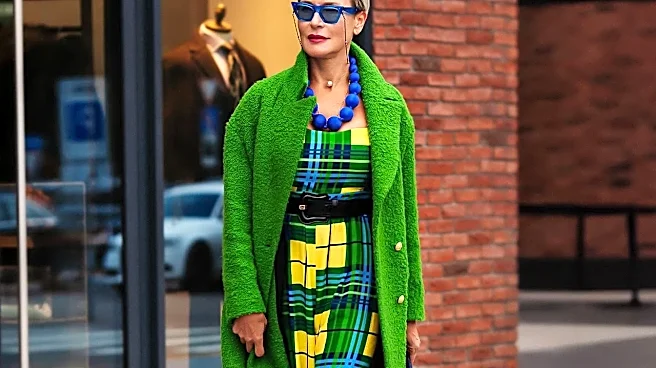
A statement piece is the star of the show—that one item with enough visual weight to define an entire look. It might be a jacket in a vibrant color, a sculpturally interesting top, a heavily embellished skirt, or an accessory that demands attention. They
are the impulse buys that feel thrilling at the moment, promising to inject excitement and personality into your style. The problem arises when a closet becomes a party where every guest is shouting. A collection of statement pieces often leads to a wardrobe of “orphans”—individual items that don’t work well together. With nothing to ground them, these exciting garments end up sitting unworn, waiting for an occasion that never seems to arrive.
The Shift to 'Complete Wardrobe Thinking'
Complete wardrobe thinking is a pivot from buying random clothes to intentionally curating a collection. It’s a philosophy centered on creating a functional, cohesive system where items are chosen not just for their individual appeal, but for their ability to work together. Often associated with the “capsule wardrobe” concept, this approach emphasizes versatility, longevity, and personal style over fleeting trends. The goal is to own fewer, better things that you can mix and match to create numerous outfits, reducing decision fatigue and ensuring you always have something appropriate and stylish to wear. It’s about building a foundation first, so your personality pieces can truly shine.
Step 1: Conduct a Ruthless Wardrobe Audit
Before you can build, you must understand what you have. The first step is a thorough audit of your current closet. Pull everything out and assess each item. Group your clothes into categories. First, identify your true workhorses: the items you reach for constantly. Then, isolate your statement pieces. Finally, create a pile for everything else. Be honest about what you actually wear versus what you want to wear. One helpful exercise is the 90/90 rule: if you haven't worn something in the last 90 days and don't see yourself wearing it in the next 90, it’s time to consider letting it go. This process reveals gaps and redundancies, showing you what your wardrobe truly needs.
Step 2: Build Your Foundation with Versatile Basics
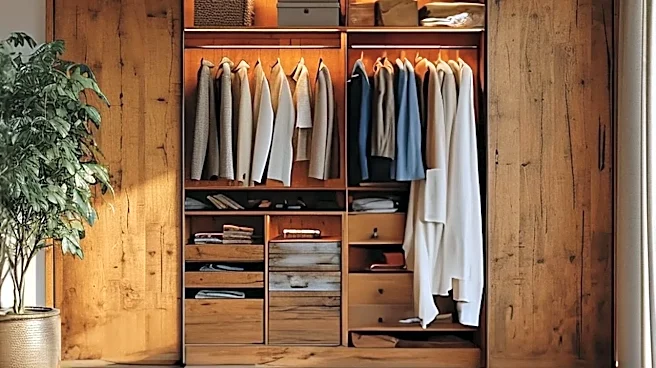
The core of a complete wardrobe is a set of high-quality, neutral basics. These are the supporting actors that allow your statement pieces to be the star. Think of items like classic-fit jeans, simple T-shirts and button-downs, a well-cut blazer, tailored trousers, and a little black dress. These foundational garments should be in a cohesive color palette that flatters you, often centered around neutrals like black, white, gray, navy, or beige. Investing in quality fabrics for these staples is crucial, as they will get the most wear and form the backbone of countless outfits. A strong foundation eliminates chaos and provides a reliable starting point for any look.
Step 3: Reintegrate and Style Your Statements
Once your foundation is in place, you can bring your beloved statement pieces back into rotation—this time, with intention. The key to styling a bold item is to let it be the single focus of the outfit. Pair that sequin skirt with a simple gray sweatshirt, or throw a colorful bomber jacket over a white tee and your favorite jeans. The casual nature of the basics balances the intensity of the statement piece, making it feel more wearable for everyday life. Think of it as one voice per outfit; if your dress is making a statement, everything else should listen. This approach transforms your “special occasion” clothes into items you can enjoy regularly.
Step 4: Shop with a Plan, Not on Impulse
Moving forward, every purchase should be strategic. Ditch the aimless browsing and instead shop with a specific need in mind. Before buying a new item, ask yourself how it fits within your existing wardrobe. A good rule of thumb is to ensure any new piece can be paired with at least five other items you already own. If a fun trend piece catches your eye, consider how it will enhance your core collection rather than compete with it. A bold sweater can be a great addition if you know it works with your existing denim and trousers. This mindful approach to shopping ensures your wardrobe evolves cohesively, saving you money and closet space in the long run.