

Remember the era of the separate shoe bag? The sloshy winter commute in snow boots, only to perform a quick-change at your desk into a pair of stiff, unforgiving 'office shoes'. That ritual is quickly becoming a relic of the past. Why?
Then: The Formal Footwear Mandate
Not long ago, the
winter office uniform was a study in structured formality. Before the 1990s, professional attire was clear-cut: suits for men and women were the standard. The idea of wearing casual shoes to work was unthinkable. Winter outfits were built from the ground up around a polished dress shoe, a sleek loafer, or a modest heel. This meant heavy wool trousers, tailored skirts, and sheath dresses that demanded an equally formal counterpart in footwear. Comfort during the workday was a luxury, not a given. The lines between on-duty and off-duty style were stark and non-negotiable. Your practical winter boots stopped at the office door, and a more 'professional' shoe took over from 9-to-5, regardless of how your feet felt by the end of the day.
The Great Casualization
So, what changed? It started subtly with 'Aloha Fridays' in the 1960s, which morphed into the 'Casual Fridays' of the 1980s and '90s. This shift was supercharged by two major forces: the tech boom and a clever marketing campaign. As Silicon Valley startups run by hoodie-clad founders began to dominate the economy, their rebellious, comfort-first ethos started to seep into mainstream corporate culture. Then, in 1992, Levi's sent a 'Guide to Casual Business Wear' to 25,000 HR managers to promote its Dockers khakis, effectively giving corporate America a permission slip to relax. The pandemic, however, was the final nail in the coffin for rigid dress codes. After years of working from home in comfort, employees returning to the office were unwilling to give it up, making sneakers an undeniable part of the new professional landscape.
Now: The Sneaker as a Style Statement
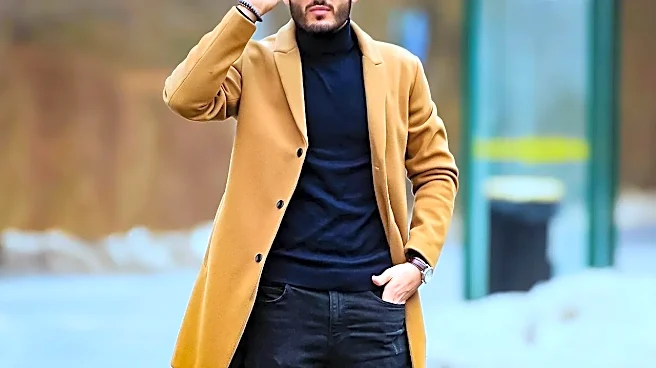
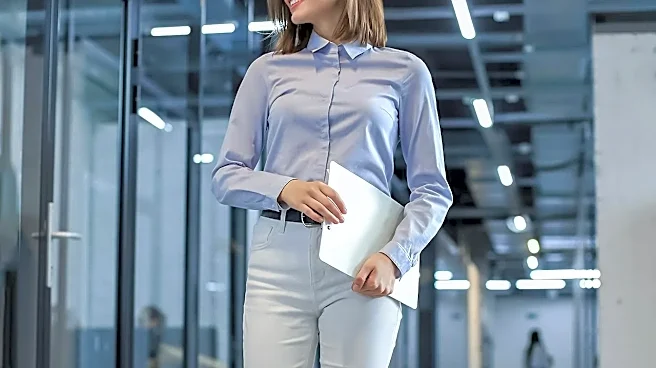
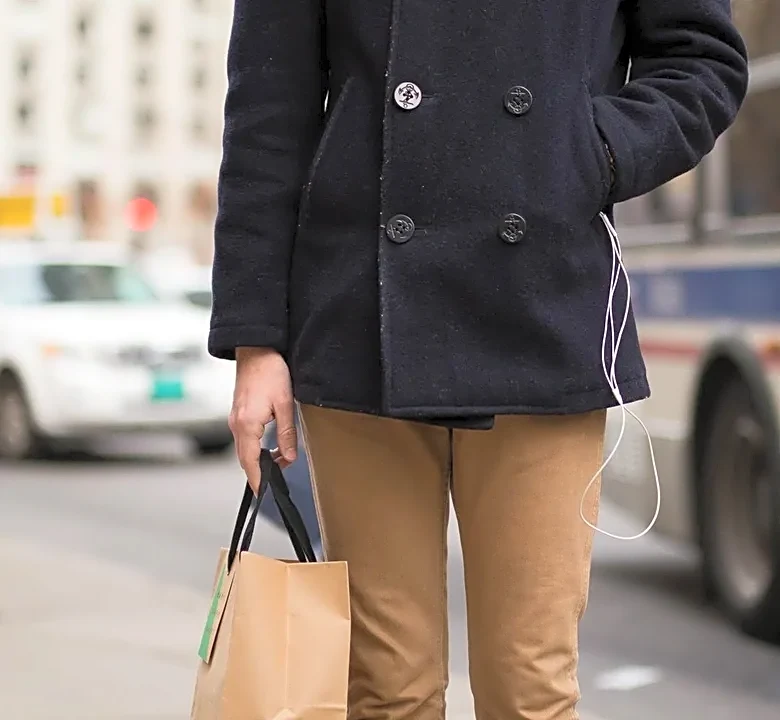
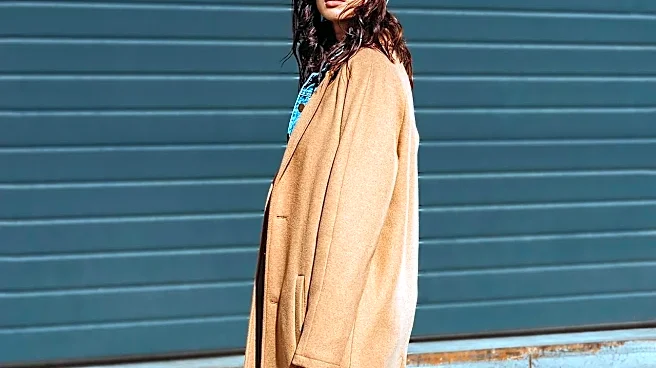
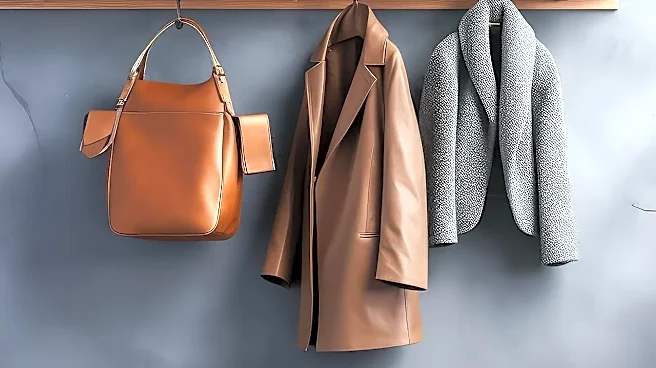
Today’s winter office outfit is all about intentional balance. The sneaker is no longer a sloppy afterthought but a calculated style choice that anchors the entire look. The key is the 'high-low' mix: pairing relaxed footwear with sharp, tailored pieces. Think of a camel coat, crisp trousers, and a pair of clean, minimalist leather sneakers. Or a cashmere sweater dress styled not with heels, but with slim, retro-inspired runners. The modern suit itself has softened, often worn with a simple crewneck top and pristine white sneakers for a look that's confident and competent, not stuffy. It signals that you value comfort without sacrificing polish. The sneaker’s acceptance has allowed for more personal expression, transforming the office uniform from a costume of conformity into a reflection of contemporary work life.
The New Rules of Winter Work Sneakers
Pulling off sneakers at the office still requires strategy. The number one rule: they must be immaculate. Scuffed, dirty shoes read as careless, not casual-cool. Second, materials matter. Rich suedes in brown or burgundy, croc-embossed textures, and smooth leather are trending for winter 2026, lending a polished feel. Third, silhouette is everything. Slim, low-profile sneakers with minimal branding are the most versatile and professional choice; they complement tailored pants rather than compete with them. Bulky, athletic 'dad' sneakers are generally seen as less appropriate for most office settings. Finally, balance the outfit. If your footwear is casual, ensure the rest of your look—a sharp blazer, a structured coat, or tailored trousers—is unambiguously professional.