







The Unwinnable Arms Race of Action
There’s a concept in Hollywood known as “escalation.” In a franchise, each new installment has to be bigger, louder, and more spectacular than the last. In the world of superheroes, this has created a kind of narrative arms race. 'The Avengers' had to stop
a contained alien invasion in New York. A few years later, they had to prevent a sentient robot from dropping a city from the sky. By 'Endgame,' they were fighting to undo the erasure of half of all life in the universe. When every solo movie features a threat that could shatter the planet or reality itself, the personal stakes can get lost. Viewers know the world isn't actually going to end, because the next slate of films has already been announced. This predictability leads to what many are calling “superhero fatigue,” a growing sense that the formula has become stale and the spectacle is starting to feel hollow.
The 'No Way Home' Reset Button
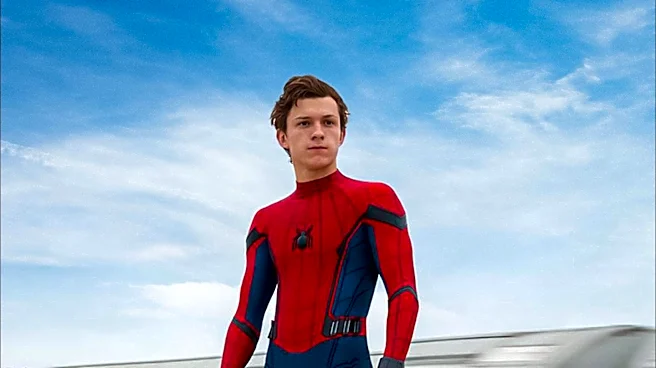
And then there’s 'Spider-Man: No Way Home.' For all its multiversal chaos, the film’s ending offered something radical: a complete and total reset. In a heartbreaking sacrifice, Peter Parker allows Doctor Strange to cast a spell that makes everyone—his friends, the Avengers, the entire world—forget he ever existed. He’s left alone in a tiny apartment with a sewing machine and a homemade suit. This wasn't just a convenient plot device; it was a deliberate narrative choice that surgically removed Peter from the cosmic-level conflicts of the MCU. He no longer has Stark tech, a billionaire mentor, or a direct line to Earth’s mightiest heroes. For the first time in his MCU journey, he is truly just the friendly neighborhood Spider-Man.
What 'Street-Level' Really Means
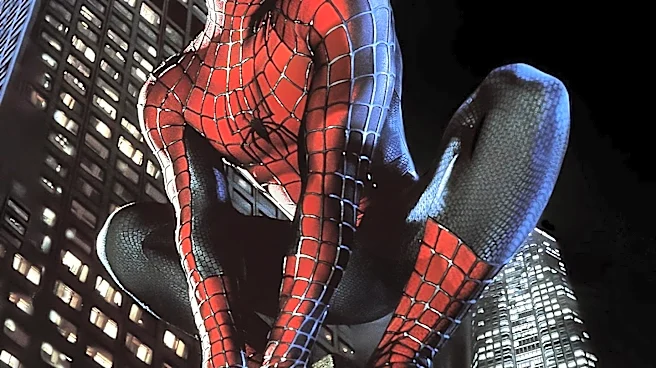
Bringing Spider-Man down to the “street-level” isn't a downgrade; it's a return to the character's core appeal. A street-level story isn't just about fighting common criminals. It’s about focusing on stakes that are personal and grounded. Instead of saving the universe, the conflict could be about protecting his block from a ruthless crime boss like Kingpin or stopping a villain whose motivations are deeply tied to the community. It’s about stories where the central tension comes from Peter trying to balance his heroic duties with his real-life struggles, like paying rent or protecting the few new relationships he can build. This vulnerability is what has made characters like Daredevil and the comic-book version of Spider-Man so enduring. You feel the weight of every punch because the hero is flawed, human, and relatable.
A Blueprint for the Genre's Future?
Marvel Studios and its parent company, Disney, have reportedly been re-evaluating their content strategy after feedback that recent phases felt disjointed and overwhelming, favoring quantity over quality. A successful, smaller-stakes Spider-Man movie could be the perfect proof-of-concept for a new way forward. It could demonstrate that a superhero film can be critically and commercially successful without a world-ending threat. This doesn't mean abandoning large-scale event films like 'The Avengers,' but rather creating a more balanced ecosystem of stories. There can be room for both the cosmic guardians and the street-level protectors. With the 'No Way Home' ending providing the perfect launchpad, Spider-Man is uniquely positioned to lead this charge, reminding audiences that sometimes the most compelling battles aren't for the fate of the universe, but for the soul of a single neighborhood.