


The Rise of 'Quiet Luxury'
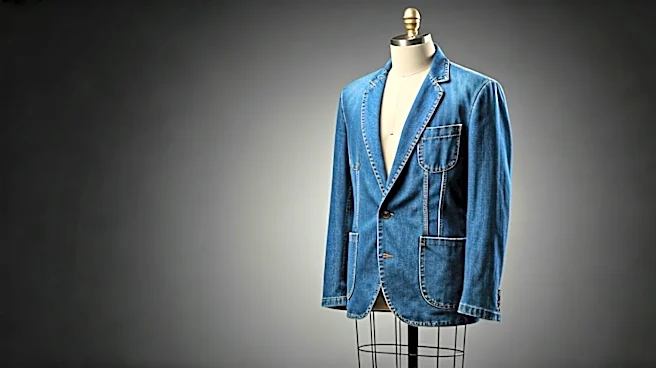
The most significant driver of this shift is the cultural dominance of “quiet luxury,” or “stealth wealth.” It’s a philosophy that prioritizes impeccable craftsmanship, timeless design, and luxurious materials over flashy logos and trend-driven silhouettes.
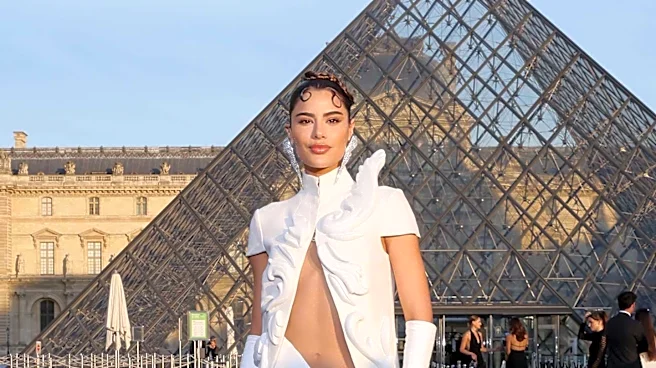
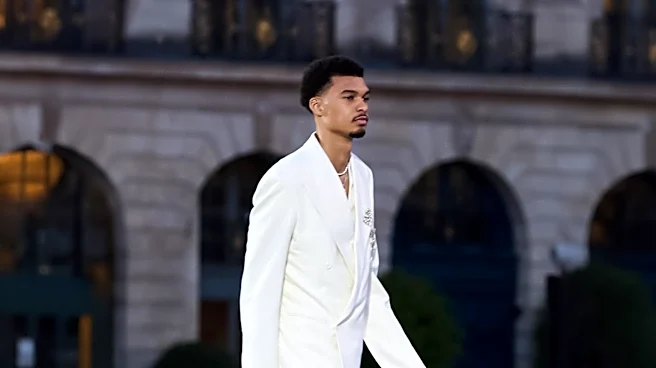
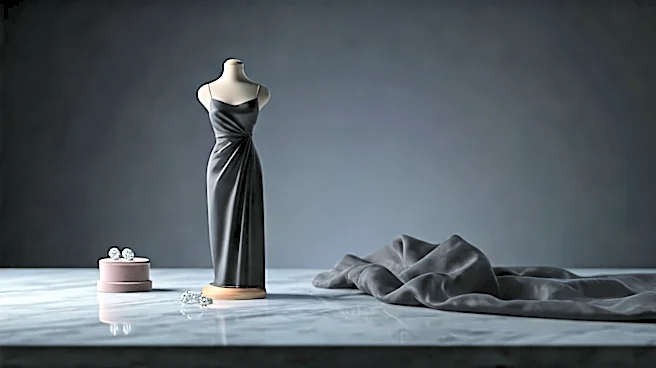
Think of the perfectly tailored but logo-free coats on the TV show *Succession*, or a celebrity choosing a simple, sculptural gown from a heritage brand over a sequined statement piece. This isn't about spending less; it's about communicating status and taste through subtlety. In an era of economic uncertainty and social consciousness, overt displays of wealth can feel tone-deaf. Instead, the new power move is an outfit that whispers quality rather than screams for attention. It’s a form of insider signaling—if you know, you know.
A Backlash to Online Performance
For over a decade, social media trained us to dress for the photo op. Every event became a potential piece of content, demanding a look that was bold, memorable, and optimized for a tiny screen. The result was an arms race of increasingly loud, algorithm-friendly fashion. But culture is cyclical, and we’re now seeing the inevitable fatigue. People are tired of the pressure to perform. Dressing in a more low-key manner is a form of rebellion against the exhausting demands of the attention economy. It’s a way of reclaiming an event for the experience itself, not just for its documentation. Choosing a classic black dress or a beautifully cut suit becomes an act of confidence—a declaration that your presence is enough, without the need for a viral outfit.
The Pandemic's Lasting Comfort Ethos
Never underestimate the long-tail effects of spending two years in sweatpants. The pandemic fundamentally rewired our relationship with clothing, elevating comfort from a weekend luxury to a daily expectation. While no one is wearing joggers to a gala, that mindset has bled into formalwear. Designers are responding with more forgiving silhouettes, stretch fabrics, and the mainstreaming of elegant flats and low heels on the red carpet. The idea of suffering for fashion—squeezing into restrictive garments or teetering on painful stilettos—feels increasingly archaic. The new aspiration is to look incredible while also feeling at ease. This has led to the rise of luxurious knits for formal events, deconstructed suiting, and flowing dresses that prioritize movement and wearability.
Redefining What Makes an Outfit 'Special'
Perhaps the most interesting part of this trend is how it redefines what makes an outfit feel “special.” It’s no longer just about glitter, volume, or shock value. Today, a special occasion look might be defined by its personal significance, its sustainable credentials, or its quiet perfection. Celebrities are being praised for re-wearing gowns, a practice once considered a fashion faux pas, but now seen as chic and responsible. An outfit’s power can come from its unique tailoring, a surprising color choice on a simple shape, or the confidence with which it’s worn. The focus is shifting from the garment as a standalone spectacle to the person wearing it. The new glamour isn't about being the loudest person in the room; it’s about being the most self-assured.