








The Hero's Unrecognizable Return
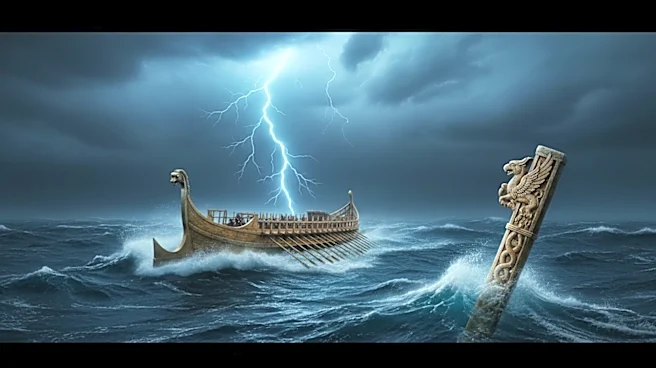
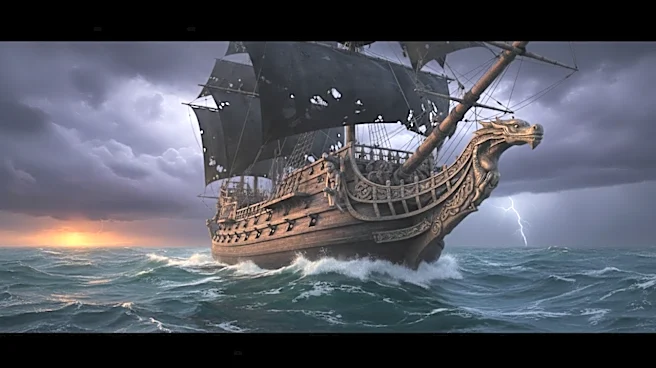
To get why it hurts so much, you have to remember the setup. Odysseus, the wily king of Ithaca, has been gone for 20 years—a decade fighting the Trojan War and another decade lost at sea, battling monsters and gods. When he finally washes ashore on his
home island, he's a stranger in his own land. Aided by the goddess Athena, he's disguised as a frail, weary beggar, allowing him to scope out the situation at his palace, where arrogant suitors have overrun his home, consuming his wealth and pressuring his wife, Penelope, to remarry. He is a king reduced to rags, and no one—not his son, not his wife, not his loyal servants—knows who he is.
A Loyalty No Disguise Could Hide
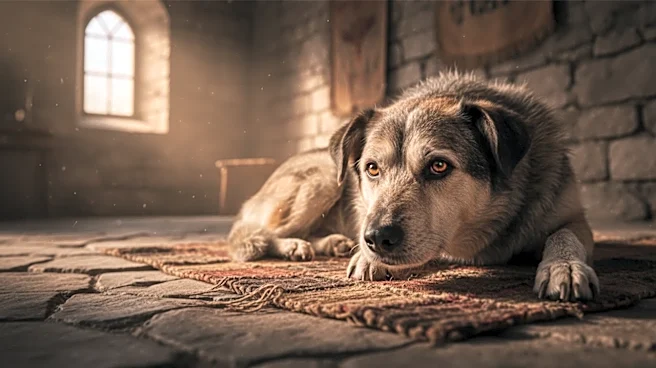
As the disguised Odysseus approaches his palace, he sees a pathetic sight: an old dog lying neglected on a heap of manure, infested with fleas. This is Argos, the hunting dog Odysseus bred and trained as a puppy but never got to hunt with before leaving for Troy. In the 20 years since, with his master presumed dead, Argos has been forgotten and left to waste away. But even in his decrepitude, the dog hears a familiar voice. He pricks up his ears. As Odysseus draws closer, Argos recognizes his long-lost master. Though too weak to stand or even crawl to him, he does what he can: he wags his tail. Argos is the very first one in Ithaca to recognize Odysseus, seeing through a divine disguise that fools every human.
A Masterclass in Restraint
Here's where Homer twists the knife. The reunion can't happen. Odysseus is on a stealth mission; if he breaks character to greet his beloved dog, he risks revealing his identity and jeopardizing his entire plan to reclaim his throne. So the great hero, who survived the Cyclops and the Sirens, has to do the hardest thing yet: ignore his dying, faithful companion. He turns his head aside to hide a single tear from his swineherd, Eumaeus, and pretends to be curious about the sad creature on the dung heap. The emotional power comes from this restraint. There are no soaring speeches or dramatic embraces. There is only a man forced to deny his own heart and a dog who gives his last flicker of strength to acknowledge his master. Shortly after Odysseus enters the palace, Argos's long wait is over, and he dies.
More Than Just a Sad Dog Story
The scene’s endurance isn't just about our soft spot for animals; it’s a dense, symbolic moment. Argos’s neglected state is a powerful metaphor for the state of Odysseus’s kingdom, which has decayed and been overrun by the parasitic suitors in his absence. The dog's unwavering loyalty stands in sharp contrast to the disloyalty of the suitors and many of the servants who have forgotten their duties. Argos represents the pure, incorruptible past that Odysseus is fighting to restore. Furthermore, the scene taps into a primal human need: the desire to be truly seen and recognized for who we are. In a world of deception and disguise, the dog’s instinctual recognition is the purest form of validation Odysseus receives.
An Archetype for the Ages
The story of Argos is an archetype that echoes through modern storytelling, from the loyal direwolves in Game of Thrones to the dog in John Wick who represents a lost connection to a past life. It establishes the potent literary trope of the faithful animal companion whose loyalty transcends time, hardship, and even death. Stories that explore the human-animal bond often use it to tap into our capacity for empathy in a powerful, direct way. The Argos scene is arguably the original and most potent example, a brief, 40-line passage that perfectly encapsulates love, loss, the brutal passage of time, and the bittersweet pain of homecoming. It reminds us that sometimes, the most profound connections are the ones that require no words at all.