





The Billion-Dollar Facelift
Before the first whistle blows, a stadium chosen for a World Cup or Super Bowl undergoes a seismic, often nine-figure, overhaul. These are not merely cosmetic touch-ups. Governing bodies like FIFA have notoriously strict requirements that force venues
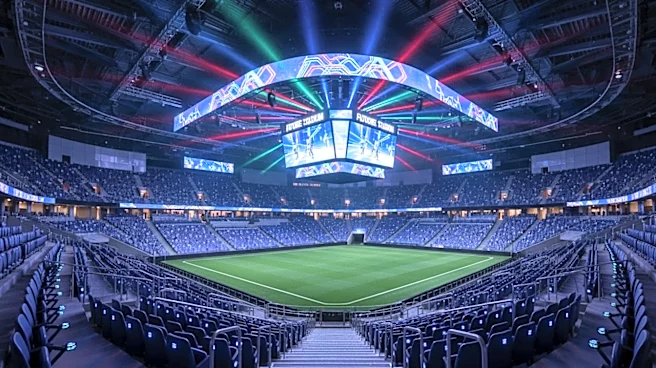
to modernize on a massive scale. For the 2026 World Cup Final, New Jersey’s MetLife Stadium is undergoing a dramatic reconstruction. To meet FIFA’s regulations for a wider pitch, 1,740 permanent seats in the stadium’s corners are being demolished and replaced with a modular, retractable seating system. This feat of engineering allows the stadium to conform to soccer's dimensions without permanently sacrificing its NFL capacity. The playing surface itself is another colossal undertaking. NFL stadiums often use durable artificial turf, but FIFA mandates natural grass. This requires ripping out the old field and installing a highly advanced, custom-grown grass pitch, complete with new drainage, irrigation, and ventilation systems built underneath. These upgrades, along with new video boards, audio systems, and media facilities, represent a massive capital investment that prepares the venue for decades to come.
From Local Venue to Global Landmark
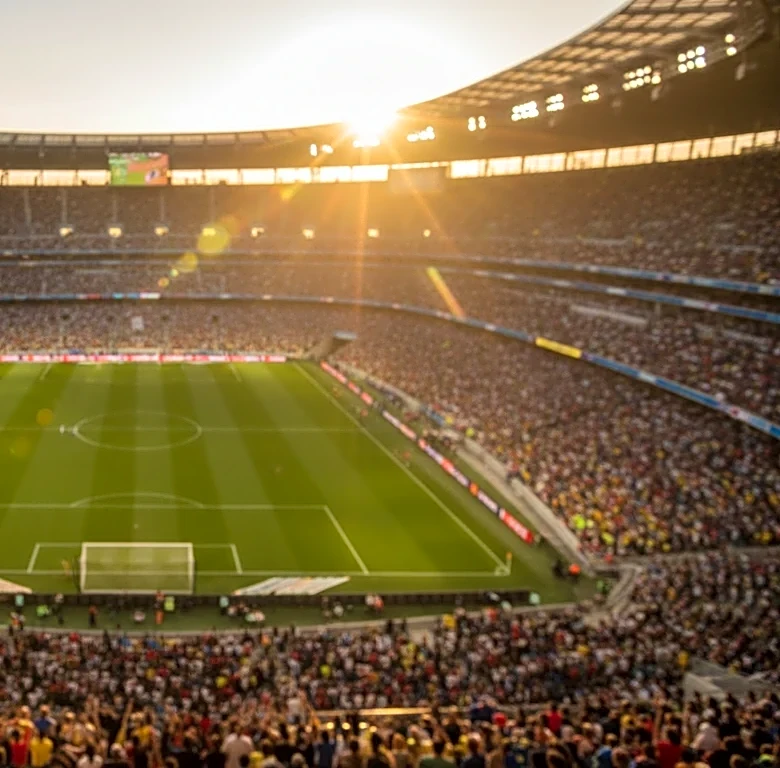
Hosting a final instantly elevates a stadium's status. It ceases to be just the home of the Jets and Giants or the Cowboys; it becomes a historic site, a place where legends are made. Super Bowl LVI, for example, served as the global coming-out party for Los Angeles’s $5.5 billion SoFi Stadium, cementing its reputation as a premier world venue. This newfound prestige has a tangible economic afterlife. The global broadcast of a final acts as a multi-hour tourism commercial for the host city and its centerpiece stadium. This exposure attracts future concerts, international exhibitions, and other major sporting events, creating a long-term revenue stream. While the direct economic windfall for a host city can be debated, with some studies suggesting benefits are often overstated, the reputational boost for the stadium itself is undeniable. It becomes a bucket-list destination for fans, a place they want to visit simply because history was made there. This enhanced brand can attract new corporate sponsors and more lucrative naming rights deals down the line.
The Burdens and Boons of the Spotlight
The path to a final is not without its perils. The pressure to deliver a flawless event is immense. Super Bowl XLV at AT&T Stadium in 2011 is a cautionary tale; the event was marred by an ice storm and a seating fiasco where temporary seats weren't ready, displacing hundreds of fans and leading to lawsuits. These logistical nightmares can tarnish a stadium's reputation for years, making the NFL hesitant to return. But when executed successfully, a final can redefine a venue’s legacy. NRG Stadium in Houston, another 2026 World Cup host, has leveraged past events like Super Bowl LI to continually modernize, installing a new roof, upgrading amenities, and proving its capability to handle massive, complex events. The process forces the stadium's management to operate at the highest possible level, overhauling everything from security protocols to transportation logistics and fan experience. Those operational improvements don’t disappear after the game; they become the new standard, benefiting every fan who walks through the gates for years afterward.
An Indelible Mark on History
Ultimately, the most profound change is the one you can’t see. A stadium that hosts a final is forever imbued with the memory of that event. It becomes a cathedral of sport, haunted by the ghosts of triumph and defeat. The specific corner of the end zone where a championship-winning touchdown was scored, the patch of grass where a World Cup trophy was lifted—these spots become sacred ground. The stadium’s identity merges with the legendary moments it contained. It’s no longer just a structure of concrete and steel; it’s a living museum of sports history. That single game becomes the benchmark against which all future events are measured, a story told and retold by fans, broadcasters, and the city itself. The final doesn’t just pass through the stadium; it becomes a permanent part of its very fabric.