





1. The System Was Forged in Crisis
To understand Germany's modern success, you have to go back to its greatest modern failure: the 2000 European Championship. Finishing dead last in their group was a national embarrassment, a wake-up call that the old methods of producing physically imposing but technically limited players were obsolete. Instead of just firing the coach, the German Football Association (DFB) engineered a complete teardown. Known as *Das Reboot*, this radical, nationwide overhaul mandated that every top-division club operate a state-of-the-art youth academy. They poured hundreds of millions into creating a standardized, technique-focused curriculum for kids as young as eight. The goal wasn't just to find talent, but to *manufacture* it systematically. The 2014
World Cup-winning squad was the first great product of this assembly line, filled with technically gifted players like Mesut Özil, Mario Götze, and Toni Kroos who would have been unthinkable in the old German system.
2. The Bundesliga Acts as the Engine Room
You can't have a great national team without a great domestic league. The German Bundesliga is the perfect engine for the national machine. Unlike the debt-fueled, oligarch-owned clubs of other top leagues, German clubs must abide by the "50+1 rule," which ensures that fans (the members) retain majority control. This prevents reckless spending and fosters financial stability, creating an environment where long-term planning—like investing in those youth academies—is prioritized over short-term glory. Furthermore, the league provides an incredible pipeline. Young German players aren't just warming the bench; they are given meaningful first-team minutes in a high-pressure, top-five European league. This ensures that by the time they're called up to the national team, they aren't just talented—they're battle-tested and ready for the world stage.
3. 'Mannschaftsgeist' Over Superstars
American sports are often built around the superstar—the LeBron James, the Tom Brady. In Germany, the philosophy is different. It’s all about *Mannschaftsgeist*, which translates to "team spirit." This isn't just a corny motivational poster slogan; it's the core of their footballing identity. The team is the star. While Germany has produced legendary players like Franz Beckenbauer, Lothar Matthäus, and Miroslav Klose, the system is designed to be bigger than any single individual. This collective ethos allows them to absorb the loss of key players without collapsing. It creates a squad where every player understands their role and is willing to sacrifice for the group. It’s the reason Germany can grind out 1-0 wins with the same focus as they can deliver 7-1 thrashings. The machine functions because every part works in unison.
4. They Are Ruthlessly Pragmatic
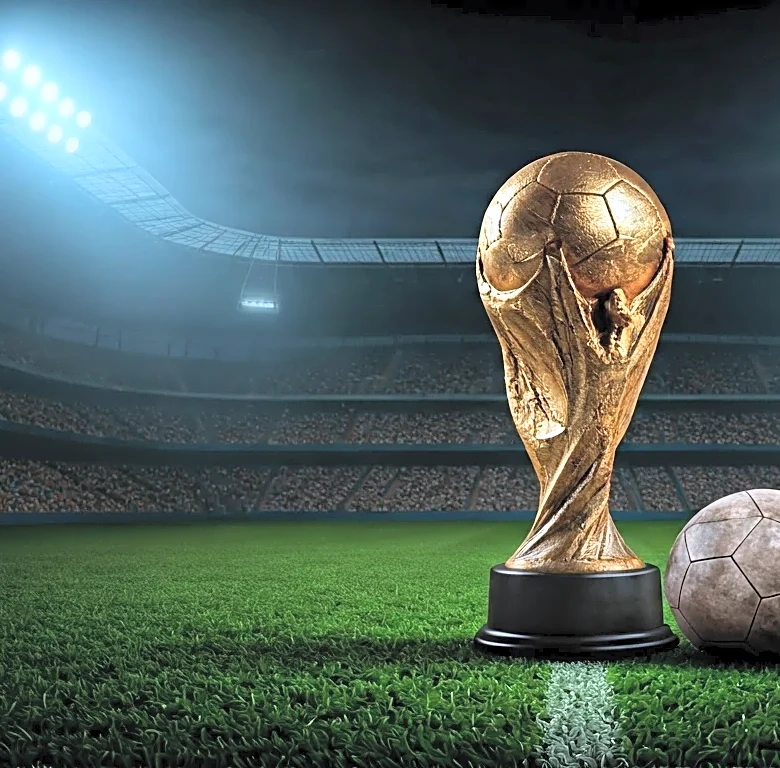
While nations like Brazil have an identity tied to beautiful, flowing soccer (*joga bonito*) and Italy has one built on lockdown defense (*catenaccio*), Germany’s identity is simply winning. They are tactical chameleons, unafraid to adapt their style to fit the players they have and the opponents they face. The team that won the 1990 World Cup was a powerful, physical, and disciplined unit. The one that lifted the trophy in 2014 was a technical, high-pressing, possession-based side that looked more Spanish than German. This pragmatism is their superpower. They aren’t too proud to play ugly if it means advancing. They aren’t dogmatically attached to a single formation or philosophy. This flexibility makes them incredibly difficult to prepare for and allows them to navigate the varied challenges of a month-long tournament where you might face a defensive bus-parking team one round and a high-flying attacking team the next.
5. They Possess a Unique Tournament DNA
Success breeds success. With four World Cups and an astonishing eight final appearances, Germany walks into every tournament with an institutional memory of how to win. They understand the unique rhythms of tournament football: how to pace yourself through the group stage, manage energy, handle media pressure, and peak at the right moment. This isn't just about talent; it's about composure. It's the psychological edge that prevents them from panicking when they concede an early goal. It’s the self-belief that allows them to win penalty shootouts with unnerving regularity. For many nations, reaching the semi-finals is a historic achievement. For Germany, it's the bare minimum, the expected outcome. That built-in expectation creates a culture of extreme focus and resilience that other teams simply can't replicate.