



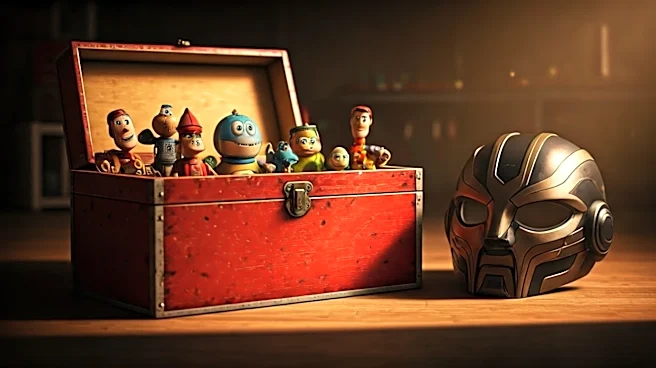


Toy Story: The Psychology of Legacy
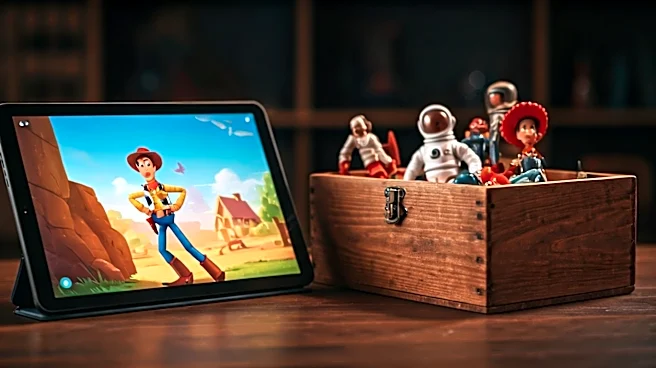
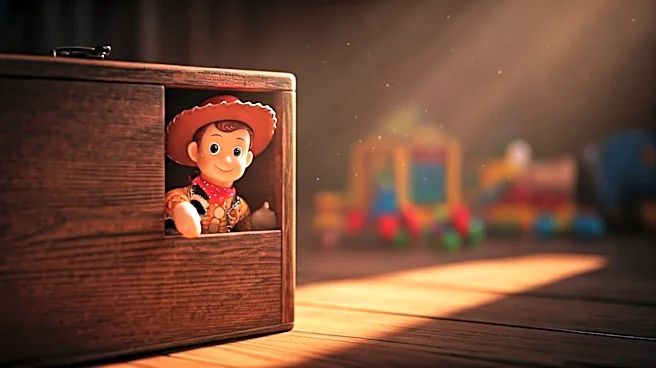
The Toy Story franchise is, at its core, about goodbyes. It’s a 30-year narrative about growing up, moving on, and finding new purpose when your original one expires. Andy went to college. Woody, in a move that divided fans, left his friends to forge
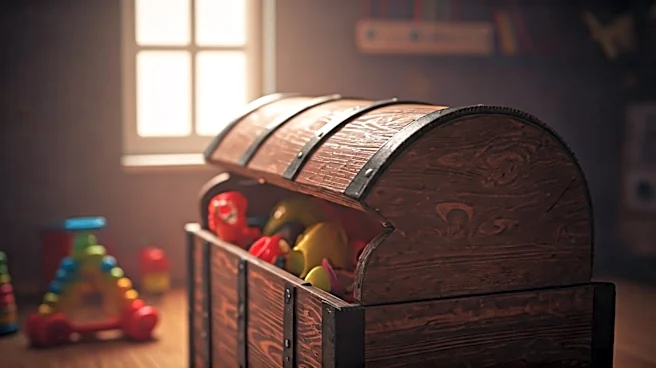
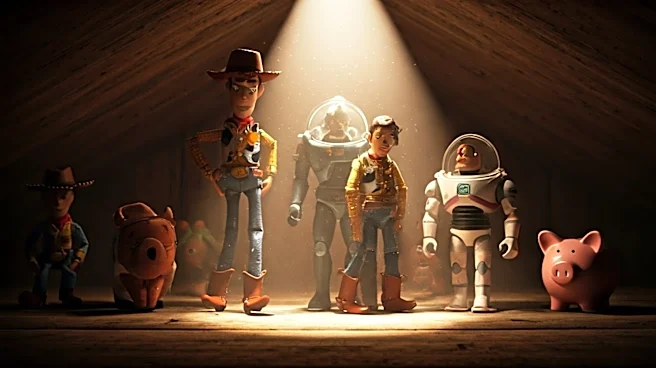
a new life. The story has always mirrored the aging of its original audience, who first saw Woody and Buzz as kids and now watch with their own children. The brand psychology behind *Toy Story 5* is therefore defensive and deeply rooted in nostalgia. Disney isn't just making another movie; it's managing a cornerstone of its modern legacy. The primary challenge is justifying its existence after *Toy Story 3* offered a perfect, emotionally devastating conclusion and *Toy Story 4* provided a thoughtful, if less necessary, epilogue. The risk is immense: get it wrong, and you don’t just have a bad movie, you retroactively tarnish the emotional weight of the entire saga. The film’s success will hinge on whether it can convince an audience of millennials and Gen Xers that there’s one more essential lesson to learn from these characters they grew up with. It's a play for the parents in the room, banking on decades of emotional investment.
Frozen: The Psychology of Expansion
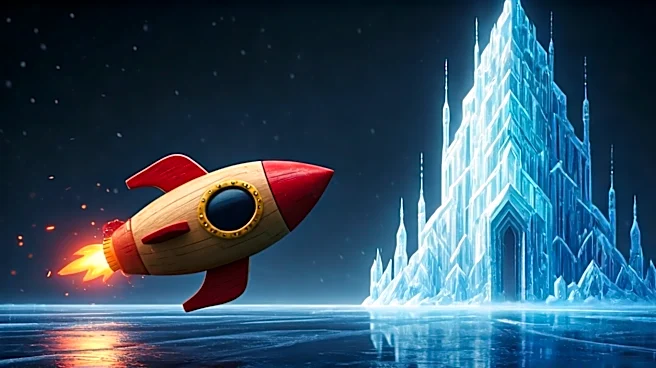
If Toy Story is about goodbyes, Frozen is about beginnings. Born in the 2010s, the Arendelle saga is Disney’s definitive modern fairy tale. It isn’t saddled with the weight of generations; it *is* the formative story for a generation. Its themes aren't about aging and loss, but empowerment, self-acceptance, and redefining family and leadership. *Frozen* and *Frozen II* were about Elsa and Anna finding their place in the world. The story feels far from over. The brand psychology for *Frozen 3* is offensive and built on expansion. Disney isn't protecting an old legacy; it's actively building a new one. The questions for this sequel are about world-building: What other mythologies will they explore? How will Elsa’s role as the Fifth Spirit evolve? How will Anna lead her kingdom? The audience for *Frozen* is still growing *with* the characters. The challenge here isn’t justifying the film's existence, but meeting the sky-high expectations of a cultural juggernaut. It has to deliver another global hit song, expand the lore in a satisfying way, and deepen the emotional connection with a young audience that sees Elsa and Anna as their heroes. This is a growth strategy, designed to solidify *Frozen* as a multi-generational pillar for the next 50 years.
Risk vs. Reward
Comparing the two sequels reveals a fascinating strategic split. *Toy Story 5* carries a higher narrative risk but a safer commercial floor. The brand is so beloved that audiences will show up out of loyalty, but the film could easily feel like a forced, cash-grab epilogue that dilutes the franchise’s poignant messaging on finality. Its psychological mission is to reassure its oldest fans that their emotional investment is safe. *Frozen 3*, on the other hand, faces a lower narrative risk but immense creative pressure. There is still so much story to tell, but it must be spectacular. It has to be more than just a movie; it needs to be a cultural event that fuels merchandise, theme park attractions, and another hit soundtrack. Its psychological mission is to prove that the first two films weren't lightning in a bottle, but the foundation of Disney’s next great empire. One is a delicate act of legacy management; the other is an ambitious act of kingdom building.