


Relax the Fit and Fabric
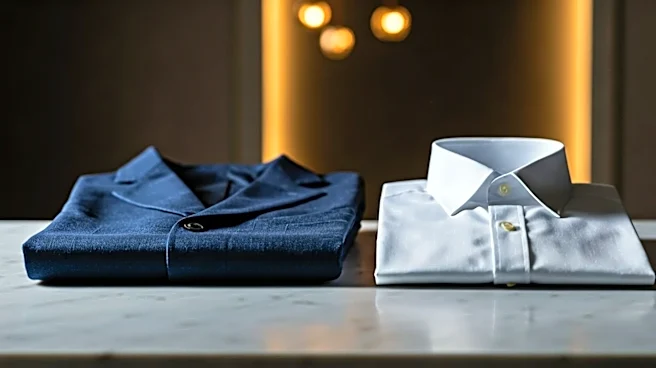
The first step in separating your blazer from its corporate past is to rethink its structure. Parisian style prioritizes a look of relaxed elegance, which means moving away from stiff, heavily padded shoulders and rigid tailoring. Look for blazers in softer
materials like linen blends, lightweight wool, or fabrics with a bit of stretch that drape rather than constrict. [15] The ideal silhouette is what some stylists call a "relaxed power" shape: it has structure in the shoulders but a slightly elongated or slouchy body. [5] This creates a balance between polish and ease, suggesting you threw it on as a finishing touch, not as part of a uniform. If you have a boxy blazer, you can even create a more defined waist by belting it—a classic Parisian trick. [5]
Break Up the Suit
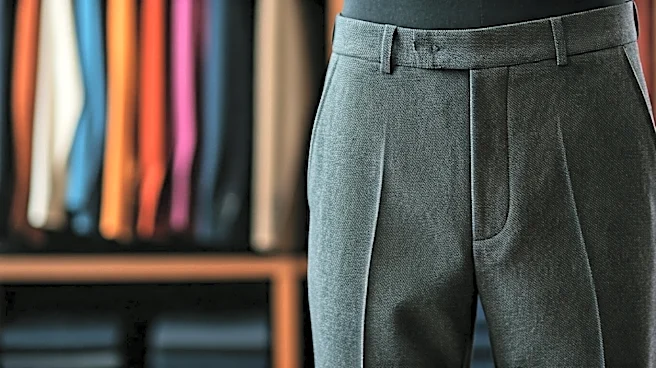
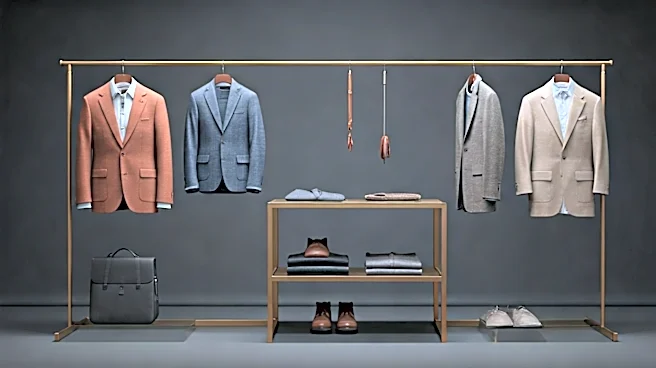
The most definitive corporate look is the matching suit. To instantly channel a more Parisian vibe, treat your navy blazer as a standalone piece. The quintessential pairing is with denim. [2] Opt for classic straight-leg or wide-leg jeans in a vintage wash rather than super-skinny styles. [3] The contrast between the tailored blazer and the casual denim is the essence of high-low dressing. Beyond jeans, a navy blazer pairs beautifully with wide-leg trousers in black, cream, or khaki, or even over a satin slip skirt for an unexpected mix of textures. [3, 5] The key is to avoid anything that looks like a matching set.
Simplify What’s Underneath
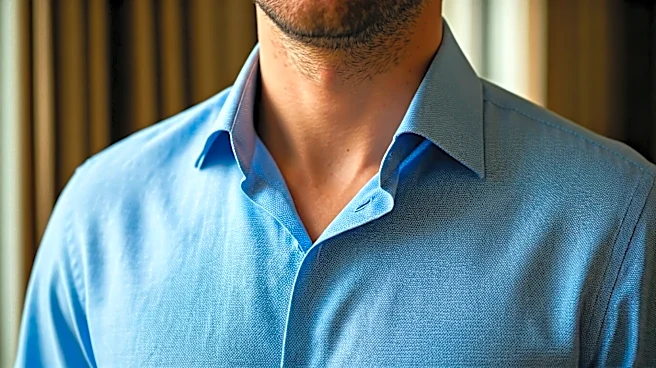
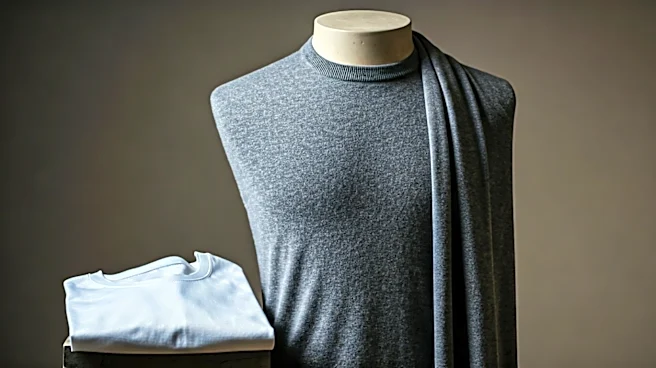
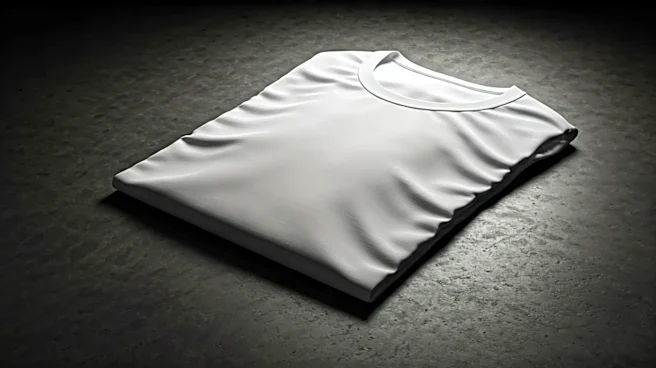
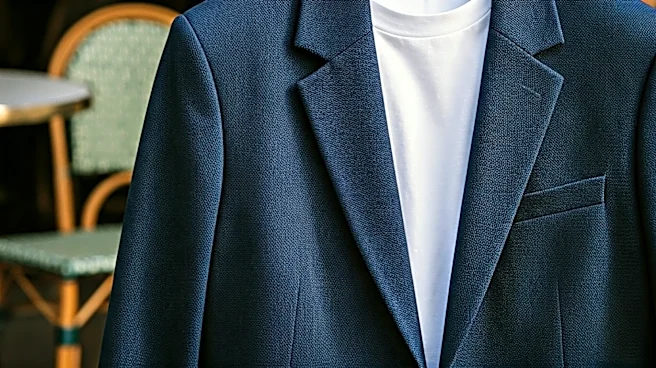
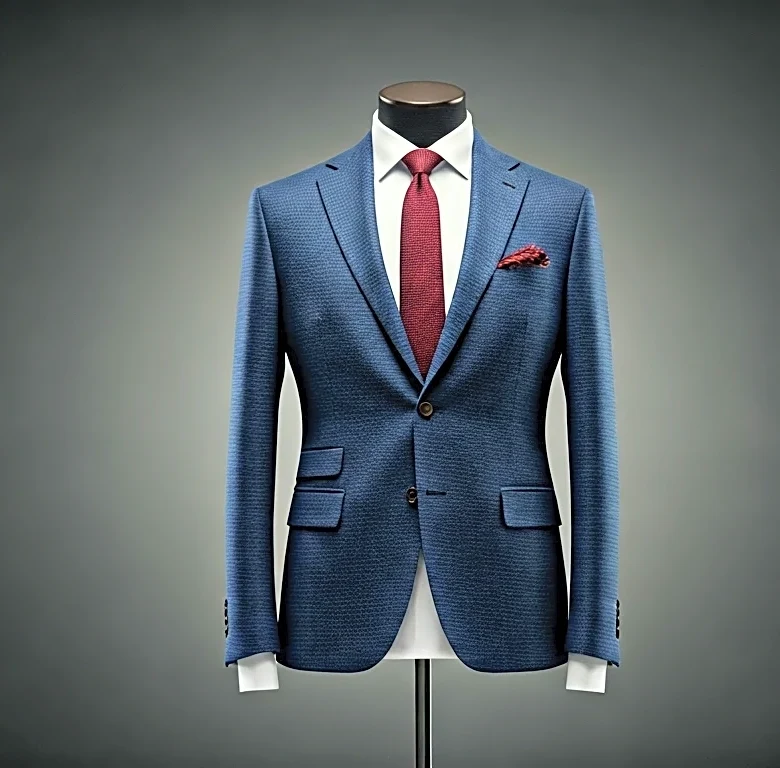
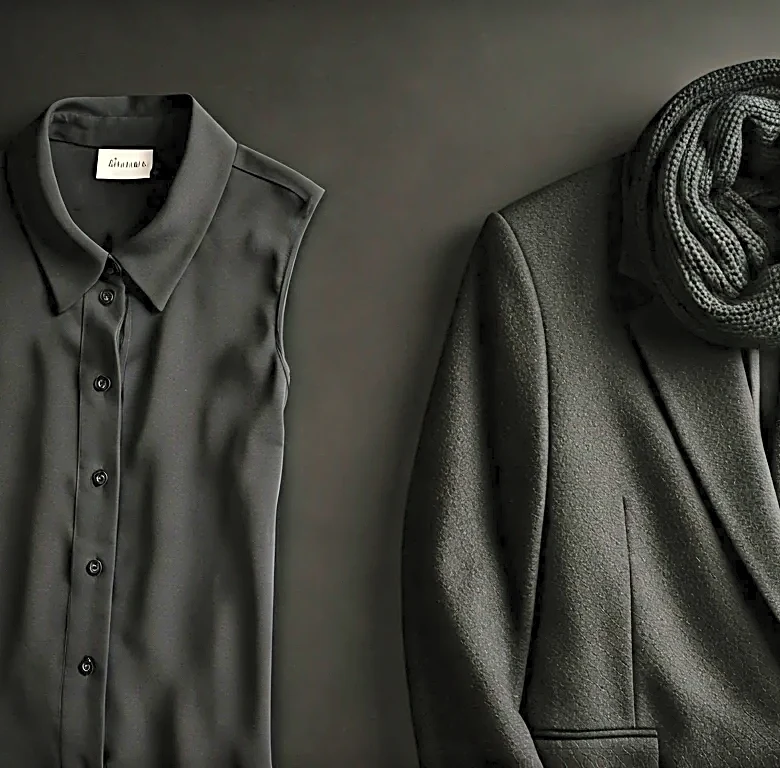
What you wear under the blazer is just as important as the blazer itself. Ditch the starchy, collared button-down shirt, which often reads as strictly professional. [10] Instead, opt for simpler, higher-quality basics. A plain white t-shirt, a classic Breton striped top, a silk camisole, or a fine-gauge knit are all perfect choices. [2, 11] These pieces soften the overall look and reinforce the sense of casual confidence. A chambray or denim shirt can also work, creating a chic, layered-denim effect when worn with jeans. [2] The goal is to build a foundation that is comfortable and understated.
Master the Art of the Accessory
Parisian style is often defined by its intentional, minimal accessories. A simple silk scarf is a powerful tool; tied loosely around the neck, it adds a touch of color and a classic French flourish. [2, 5, 9] Other essential accessories include a quality leather belt to cinch trousers or the blazer itself, and simple, elegant jewelry like a classic watch or delicate gold earrings. [7, 9] The idea is to add a few points of interest without overwhelming the outfit. A structured leather crossbody bag often completes the look, reinforcing the blend of practicality and polish.
Perfect the “Undone” Details
True Parisian chic lies in the subtle imperfections that make an outfit feel lived-in and personal. It’s less about a perfectly pressed garment and more about how you wear it. Push up or roll the blazer sleeves to show a little wrist and create a more relaxed silhouette. [16] Leave the blazer unbuttoned to create a fluid line. Don't be afraid of a few wrinkles, especially in a linen blazer. This intentional lack of fuss is what transforms the look from studied to effortless. It’s the difference between wearing a uniform and wearing your clothes.
Choose the Right Footwear
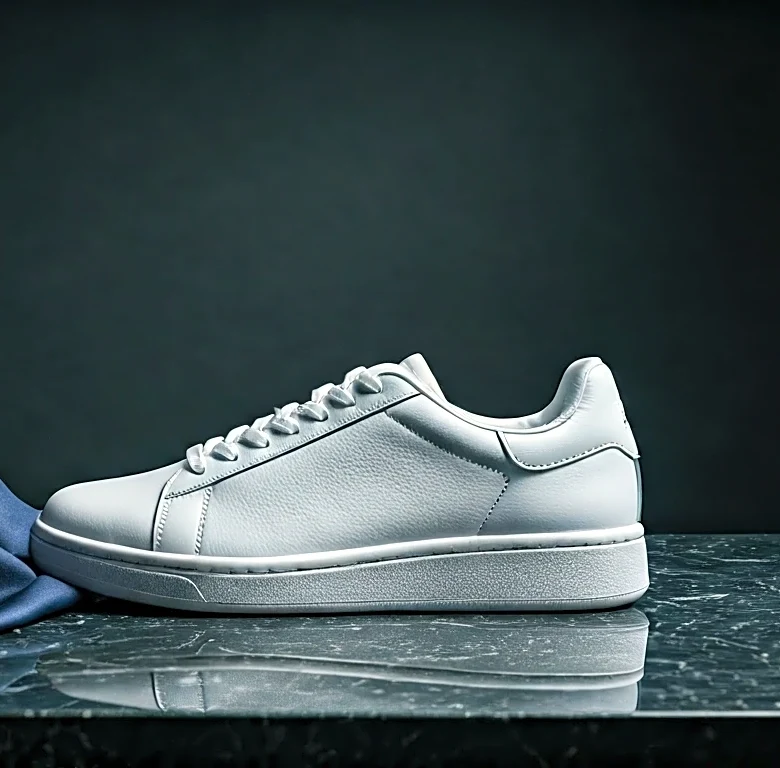
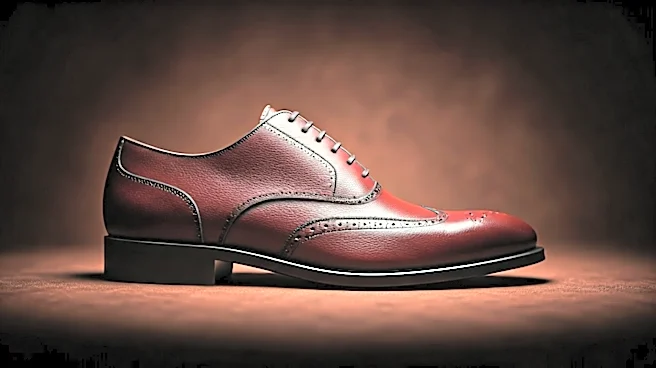
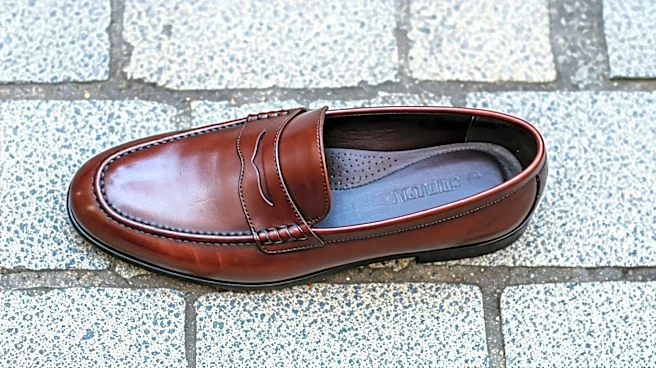
The wrong shoes can instantly pull a navy blazer back into corporate territory. To keep the look grounded and chic, avoid high stilettos or formal pumps. [10] Instead, Parisian style favors comfortable yet elegant footwear. Classic ballet flats are a go-to choice, as are leather loafers or simple, low block heels. [2, 3] For a more casual, modern interpretation, a pair of clean, sleek white trainers can work perfectly. The right shoe anchors the outfit in a spirit of stylish practicality, ready for walking through the city.