

The Contenders: Defining the Shine
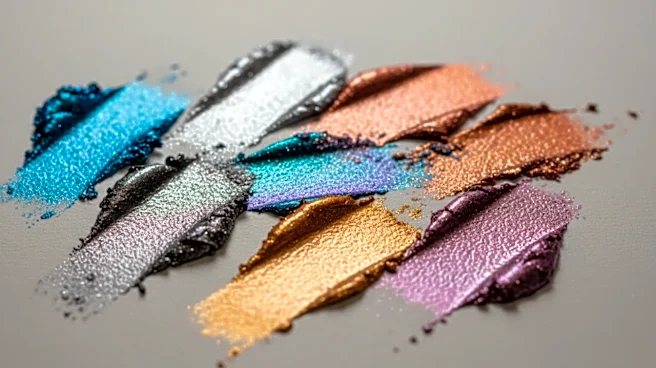
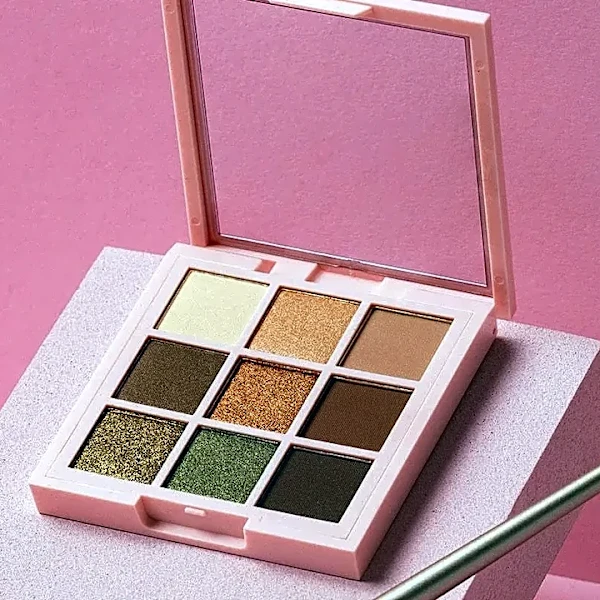
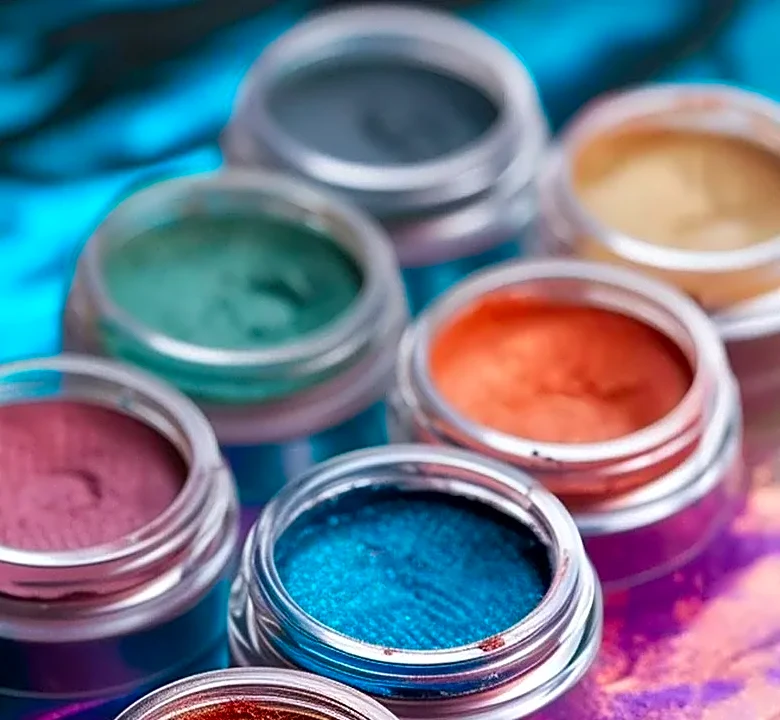
First, let's break down what these products actually are. A foil pigment is typically a pressed or loose eyeshadow with a unique, slightly flaky texture made of larger shimmer particles. The magic of foiling happens during application, where the pigment is mixed
with a liquid medium (like a setting spray) to create a creamy, molten-metal effect that looks wet even when dry. On the other hand, chrome powder is an ultra-fine, silky dust, much finer than traditional glitter or even standard shimmer eyeshadow. Originally a star in the nail art world for creating mirror-like finishes, cosmetic-grade chrome powders are now used on the eyes to achieve a seamless, liquid-metal sheen without any visible particles or texture.
The Finish: Textured Flakes vs. Seamless Sheen
The biggest distinction between the two lies in the final texture. Foil pigments create a dimensional, high-impact finish that looks like tiny, glittering flakes of metal melted onto your lid. The effect is textured, almost three-dimensional, and reflects light in a way that feels organic and richly metallic. It’s perfect for a dramatic, wet-look effect that catches the eye with its complexity. Chrome powder offers a completely different kind of impact. When buffed onto the skin, its super-fine particles create an unbroken, hyper-reflective surface that looks like a smooth sheet of polished metal. The finish is sleek, futuristic, and completely seamless, with no visible glitter or sparkle—just pure, uniform shine. Think less glittery, more liquid mercury.
The Application: Pressing vs. Buffing
Your application technique will vary significantly. To apply a foil pigment, you typically use a flat, dense brush or even your fingertip. You'll pick up the pigment, spritz the brush with setting spray to create a creamy consistency, and then press or pat the product onto your eyelid. This pressing motion is key to building up that intense, foiled texture and minimizing fallout. Chrome powder requires a different approach. It must be applied over a sticky or tacky base—like a partially cured gel liner or a specific gripping primer—to adhere properly. Using a sponge-tip applicator or a silicone tool, you gently rub or buff the powder onto the tacky surface. This friction is what fuses the particles together into that signature mirror-like finish.
The Verdict: Which One Is Right for You?
Choosing between foil and chrome depends entirely on the aesthetic you want to achieve.
Go for foil pigments if you want:
A dramatic, textured, and dimensional look.
A wet-look effect with visible, glistening flakes.
An intense metallic pop that can be layered over other eyeshadows for a dazzling finish.
Reach for chrome powder if you're aiming for:
A sleek, seamless, and futuristic sheen.
A true mirror-like finish without any glitter or texture.
A high-fashion, editorial effect that is smooth and liquid-like.