






A Glimpse of Normalcy
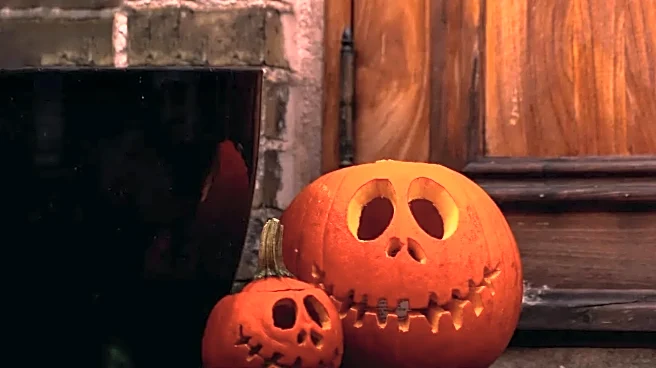
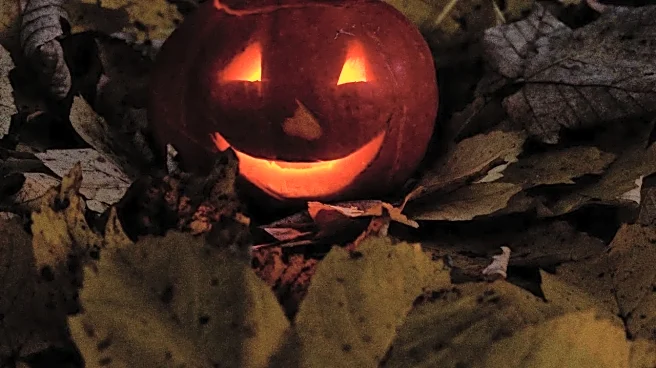
Before the chaos, there is calm. Many horror films use a pumpkin-carving scene to establish a baseline of peaceful, domestic life. Think of the iconic opening credits of John Carpenter's 'Halloween' (1978). As the camera slowly zooms into the menacing
grin of a jack-o'-lantern, we're not just seeing a pumpkin; we're entering the world of Haddonfield on a seemingly ordinary October night. When Laurie Strode carves a pumpkin with Tommy Doyle later in the film, it’s a moment of wholesome, autumnal fun. This slice-of-life activity makes the terror that follows feel all the more invasive. By showing us the simple, relatable joy of carving a pumpkin, the film heightens the stakes. The horror isn't just about a masked killer; it's about the violent disruption of this cherished normalcy.
Carving Out Character
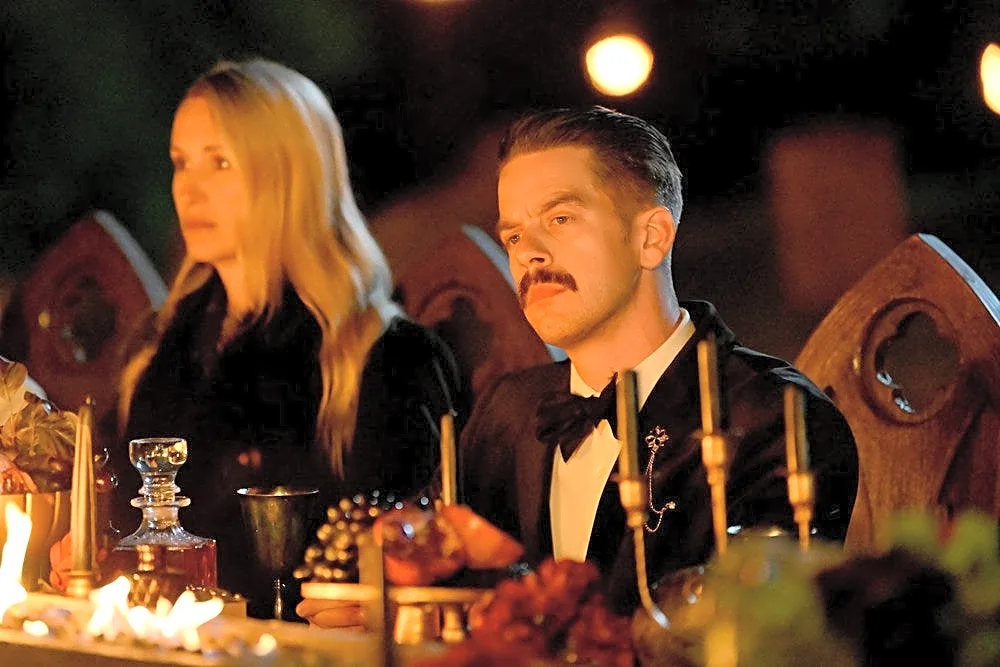
How a character carves a pumpkin can say a lot about them. Is it a meticulous, artistic endeavor or a messy, hacked-up job? Is it a family activity filled with laughter, or is someone carving alone in a dimly lit room? These scenes are a surprisingly effective form of character development. In 'Trick 'r Treat', the act of carving pumpkins is woven into the very fabric of the film's rules and rituals, and those who disrespect the tradition often meet a grim fate. The scene where a school principal teaches his son the 'right' way to carve is twisted and revealing. The process becomes a shorthand for a character's relationship to the holiday's traditions, their state of mind, and their connections to others. It’s a moment where personalities are etched out as clearly as the faces on the gourds themselves.
An Act of Foreshadowing
There is an inherent violence to carving a pumpkin. You take a knife, puncture the skin, and scoop out its insides to create a face, which is often monstrous. Filmmakers use this parallel to brilliant effect. The act of plunging a knife into a pumpkin can visually echo the stabbings to come, turning a festive tradition into a grim prophecy. The very creation of a jack-o'-lantern—transforming a wholesome gourd into a leering, hollowed-out head—mirrors the transformation of a peaceful night into one of terror. In some modern horror, the pumpkin itself becomes an agent of doom or a symbol of the killer's presence, as seen in the 'Halloween' sequels where the state of the title-card pumpkin often reflects Michael Myers' fate.
The Ultimate Symbol of Halloween
Ultimately, the pumpkin is the mascot of Halloween. Its origins trace back to Irish folklore and the legend of 'Stingy Jack', a soul doomed to wander the earth with a burning coal inside a carved-out turnip. When Irish immigrants brought this tradition to America, they discovered the native pumpkin, a far better canvas for their protective jack-o'-lanterns. This history infuses the symbol with themes of warding off evil spirits and the boundary between the living and the dead. When a pumpkin appears on screen, it instantly grounds the story in these themes. It tells the audience that the veil is thin, that spooky things are afoot, and that the normal rules may no longer apply. It’s a visual shorthand that packs centuries of folklore into a single, glowing grin.