



Freedom From the Machine
Imagine a director wanting to shoot a pivotal scene entirely in silhouette, using only the cold, blue light of a convenience store’s open sign. In a major studio production, that choice would face a dozen hurdles. Executives, producers, and marketing
teams would worry it’s too dark, not commercial enough, or that the star’s face isn’t visible. In low-budget filmmaking, there is no machine to answer to. This creative freedom is arguably the most critical factor behind their bold visuals. Without the pressure of a nine-figure investment and the need to appeal to the broadest possible global audience, directors can make choices that serve the story and their vision exclusively. They can be weird, specific, and even abrasive in their style, creating images that stick with you precisely because they’re not polished, market-tested, or safe.
Necessity Breeds Innovation
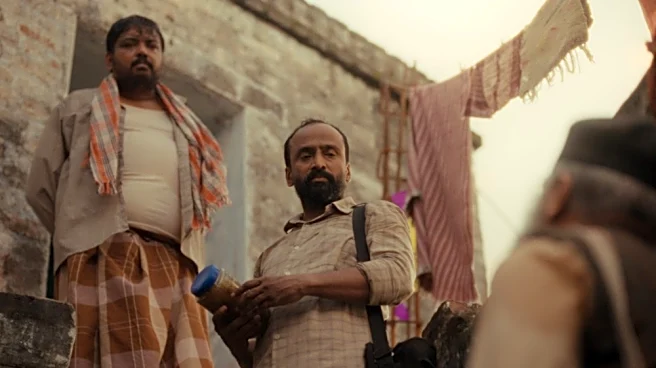
When you don’t have the money for a crane shot, you might mount a camera to a painter’s pole. When you can’t afford expensive lighting rigs, you learn to master the art of natural light or use cheap, practical sources like car headlights and street lamps. These aren't just compromises; they become a film's aesthetic. Limited resources force filmmakers to think outside the box and solve problems with ingenuity instead of cash. This struggle often leads to a more tactile and grounded visual language. A shaky, handheld camera isn’t a mistake; it’s a deliberate choice to convey panic or intimacy. A grainy image isn't a technical flaw; it’s a texture that evokes a memory or a dream state. These techniques, born from necessity, give independent films a raw, immediate energy that slick, high-budget productions can struggle to replicate.
The Right Tool for the Job
In the past, a cinematic look required expensive 35mm film cameras. Today, the democratization of technology has been a game-changer. High-quality digital cameras from brands like Blackmagic, or even pro-level iPhones, have put powerful imaging tools into the hands of filmmakers with shoestring budgets. This allows them to achieve a polished, deliberate look without a studio’s backing. It's less about the size of the budget and more about the alignment of the budget with the story's needs. A small, intimate drama doesn't require blockbuster-level special effects. Instead, a director can allocate their limited funds toward a specific lens package that gives the film a unique visual signature or spend more time on location scouting to find the perfect, undiscovered backdrop that tells a story all on its own.
An Aesthetic of Authenticity
For many independent filmmakers, the low-budget look isn't a limitation to overcome but an aesthetic to embrace. It’s a purposeful rejection of the glossy, often sterile perfection of mainstream cinema. This approach mirrors other art forms, like punk rock or brutalist architecture, where the raw materials and honest construction are part of the point. The film’s visual style becomes an extension of its themes—often telling stories about real, flawed people in a messy world. At a festival like TIFF, where audiences are looking for unique voices, a film that feels personal and handcrafted can stand out. This year, films like the animated, hand-drawn 'Tangles'—a black-and-white feature about dealing with a mother's Alzheimer's—showcase how a specific, non-commercial aesthetic can be the most powerful way to tell a complex story.