



An Argument as Old as Nakatomi Plaza
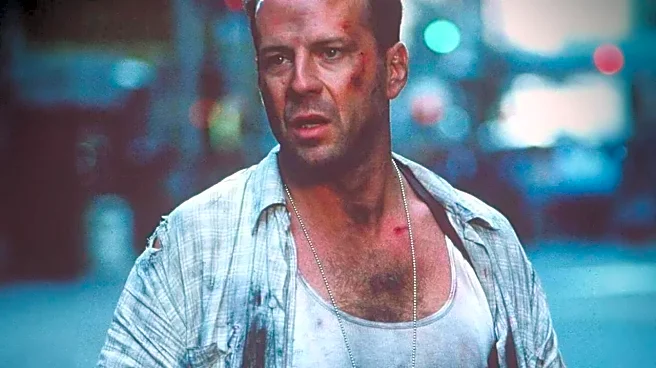
The debate is a holiday tradition in itself. The arguments for are well-rehearsed: the film takes place on Christmas Eve, John McClane is flying to see his family for the holiday, his wife's name is Holly, and the plot is propelled by a corporate Christmas party
gone wrong. There are Christmas songs, festive decorations, and even a dark, cynical take on a 'ho-ho-ho'. The story is fundamentally about a man trying to reunite with his family for Christmas, overcoming incredible odds to do so. The case against is just as familiar: it was a summer blockbuster, not a holiday release. It’s an action thriller, and if you swapped the holiday for a different event, the plot would largely remain intact. For many, the sheer violence and lack of a heartwarming tone disqualify it from the category that holds 'It's a Wonderful Life' and 'Elf'.
Why We're Still Debating
The staying power of this debate isn't just about being contrarian. It’s a form of cultural ownership. For decades, genre was a fixed label assigned by studios and critics. Arguing that an R-rated action film is secretly a Christmas movie was a way for audiences to participate, to re-categorize a film based on personal tradition and feeling, not just its marketing. It's a collective act of interpretation. By claiming 'Die Hard' for Christmas, fans are saying that their experience of a film matters as much as its original label. It’s an almost nostalgic act of asserting a shared, human-defined canon in an increasingly fragmented media world. It's a debate about what a movie feels like, not just what it is.
Enter the Algorithmic Overlords
This is where streaming services change the game. Platforms like Netflix, Max, and others don't think in terms of one single genre. Instead, they use a system of thousands of granular 'micro-genres' or tags. A movie isn't just a 'Thriller'; it's a 'Suspenseful Action-Thriller with a Witty Protagonist from the 1980s'. These tags are generated by analyzing everything from the film's plot and tone to user data: what you watch, when you pause, and what viewers with similar tastes enjoy. For a streaming service, the 'Die Hard' debate is irrelevant. It can be a Christmas movie for users who watch holiday films in December and an action movie for those who just finished a Jason Statham marathon. The algorithm doesn't need to pick a side; it can present the film to both audiences, maximizing its appeal. HBO Max once even created a 'Christmas-adjacent' category, placing 'Die Hard' in a list of films with 'just the right amount of spirit'.
The Rebellion Against the Tags
So if the algorithm has already decided 'Die Hard' can be anything to anyone, why do we still argue? Because the debate has become an unconscious act of defiance against this very system. Algorithmic categorization is efficient but sterile. It flattens culture into data points, serving us what it predicts we want and creating filter bubbles. The 'Die Hard' debate is a human-powered alternative. It insists on a single, culturally negotiated truth, even if it's a silly one. It’s a way of saying that we, the audience, get to decide what belongs in the cultural canon, not a proprietary sorting system. Arguing about John McClane's holiday status is our way of talking back to the machine, preserving the social, communal act of defining our own culture in an age where that job is increasingly being outsourced to code.