








The Old Guard: What Is Heritage Luxury?
Heritage luxury is the world of the maison, or “house.” Think of brands like Chanel, Dior, Hermès, and Louis Vuitton. Their identity is rooted in history, often stretching back over a century. The story isn't just about clothes; it's about a legacy built
on exquisite craftsmanship, proprietary techniques, and a specific, almost mythical founder. Coco Chanel’s rebellion, Christian Dior’s New Look—these are founding myths that still define the brands today. Their value comes from a perception of timelessness and painstaking quality. A Hermès Birkin bag isn't just a bag; it's the culmination of years of artisan training and hours of hand-stitching. The appeal is aspirational. You buy a piece of heritage luxury to own a piece of history, to invest in an object that will not only last but also hold its value and signify a certain status of quiet elegance and established taste.
The New Wave: Defining Streetwear Luxury
Streetwear luxury is the antithesis of old-world discretion. Its origins are in subcultures—skate, hip-hop, punk—not Parisian ateliers. Brands like Off-White, Vetements, and Fear of God (though American, its influence is global) built their empires from the ground up, often led by a charismatic founder who is more of a cultural curator than a traditional couturier. Think of Virgil Abloh or Demna Gvasalia. Their genius wasn't in inventing a new sewing technique but in recontextualizing everyday items—a hoodie, a sneaker, a T-shirt—and imbuing them with cultural currency. Streetwear luxury’s value is driven by hype, scarcity, and community. It operates on a “drop” model, releasing limited-edition items that sell out in minutes, creating a frenzy. The logo isn't a discreet symbol; it's often the main event. Owning a piece signifies you're part of the tribe, you're in the know, and you were quick enough to get it. It’s less about aspiring to a class and more about belonging to a moment.
The Difference in DNA: Craft vs. Culture
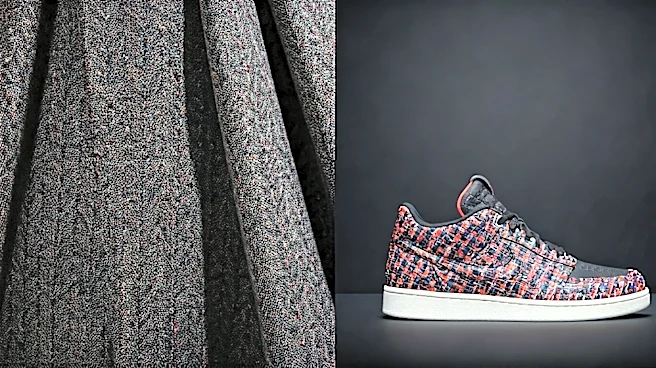
At its core, the difference is one of philosophy. Heritage luxury is obsessed with how something is made. The narrative revolves around materials, artisanship, and the perfection of an object over time. It’s a product-first approach. A Chanel jacket is celebrated for its specific tweed, the chain sewn into its hem for weight, and the decades of refinement behind its silhouette. Streetwear luxury is obsessed with why something is made. The narrative revolves around relevance, irony, and social commentary. It’s a culture-first approach. A Vetements hoodie that mimics a DHL uniform isn’t about the quality of the cotton; it’s a statement about consumerism, branding, and the elevation of the mundane to the level of high fashion. One sells a masterpiece of craft; the other sells a piece of the cultural zeitgeist.
The Blurring Lines: Where They Meet in Paris
For years, these worlds were separate. Today, they are deeply intertwined, and Paris is the epicenter of this fusion. The old guard, wanting to connect with younger consumers, started hiring from the new school. The most famous example is Virgil Abloh, founder of Off-White, becoming the men’s artistic director at the heritage titan Louis Vuitton. Suddenly, streetwear’s sensibility—its graphics, silhouettes, and cultural fluency—was being produced with the unparalleled resources and craftsmanship of a legacy house. Simultaneously, heritage brands began adopting streetwear tactics. Limited-edition “drops,” high-profile collaborations (like the blockbuster Louis Vuitton x Supreme partnership), and a focus on sneakers have become standard practice even for the most storied Parisian houses. Balenciaga, under streetwear-maverick Demna, transformed from a respected but sleepy couture house into one of the hottest and most talked-about brands on the planet by blending its archival shapes with a distinctly modern, internet-savvy irony.