






The Primary Purpose: Hair Protection
Before we get to the surprising skin benefits, it’s important to understand why satin bonnets became a staple in the first place. Their main job is to protect your hair while you sleep. Unlike cotton pillowcases, which can be absorbent and rough, satin (or
silk) provides a smooth, low-friction surface. This simple material difference has major payoffs for hair health. First, it helps your hair retain moisture. Cotton wicks away the natural oils and leave-in products that keep your strands hydrated, leading to dryness and brittleness. Satin, being non-absorbent, leaves that moisture where it belongs: in your hair. Second, it drastically reduces frizz and tangles. As you toss and turn, the friction against a cotton pillowcase ruffles the hair cuticle, causing frizz, knots, and even breakage. A bonnet allows your hair to glide effortlessly, preserving your style—whether you have curls, braids, or a fresh blowout—and minimizing morning-after damage.
The Unsung Hero for Your Skin
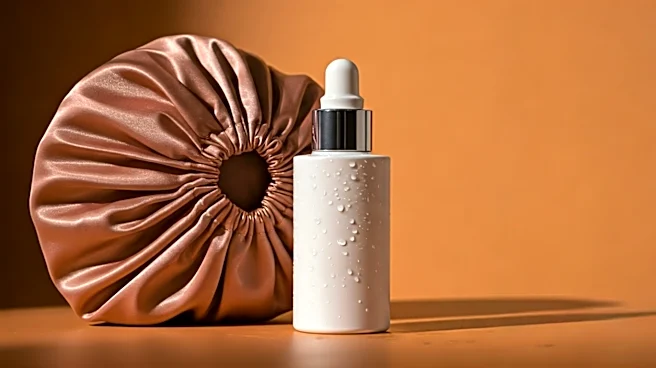
Here’s where the headline’s claim about “reshaping skincare” finds its truth, albeit in a more practical way. The real magic of a bonnet for your skin is its ability to act as a barrier. Think about all the products you put in your hair: leave-in conditioners, oils, serums, gels, and styling creams. When you sleep, your hair inevitably comes into contact with your face and pillowcase. These products, which are fantastic for your strands, are often comedogenic, meaning they can clog pores and lead to breakouts. This is especially true for those with acne-prone or sensitive skin. By tucking your hair away securely inside a bonnet, you create a physical shield. This simple act prevents hair products and natural scalp oils from transferring onto your pillowcase and, subsequently, your face. It keeps your skin’s environment clean and free from pore-clogging culprits you might not have even considered.
Fewer Breakouts, Less Friction
The benefits of this barrier extend beyond preventing breakouts. A clean pillowcase is a cornerstone of good skin hygiene. Even if you don’t use heavy hair products, your hair accumulates environmental pollutants, dust, and its own oils throughout the day. A bonnet contains all of that, ensuring your face rests on a cleaner surface each night. Furthermore, while the effect is subtle, a satin bonnet can help reduce the mechanical stress on your skin. The same friction that causes hair breakage can also contribute to “sleep wrinkles.” While a bonnet won’t erase existing lines, keeping your hair contained means less pulling and rubbing on the delicate skin around your hairline and temples. It’s a small, preventative measure that contributes to a healthier overall approach to skin aging. By creating a cleaner, lower-friction sleep environment, the bonnet becomes a quiet but effective partner to your nightly serums and moisturizers.
How (and How Often) to Use It
To reap these dual benefits, consistency is key. You should wear your satin bonnet every single night. Make it the final step in your evening routine, after you’ve completed both your skincare and hair care rituals. The process is simple: gather your hair, gently tuck it inside the bonnet, and ensure all strands are contained and the elastic band is sitting comfortably on your hairline, not on your forehead or neck. However, there’s a crucial maintenance step that many people forget: you must wash your bonnet regularly. Just as it keeps oils and products off your pillow, it accumulates them on the inside. A dirty bonnet can defeat the purpose and reintroduce bacteria and buildup to your hair and skin. Aim to wash it at least once a week, either by hand or in a delicate cycle, to keep it fresh and effective. Think of it as another piece of laundry, just as important as your pillowcase.